As an Amazon Associate, we earn from qualifying purchases. Some links on this site are affiliate links at no extra cost to you. Our recommendations are based on thorough research and editorial judgment.

Common Reasons Coffee Machines Lose Pressure

Common reasons coffee machines lose pressure include a malfunctioning Over Pressure Valve (OPV), which can hinder pressure buildup, and mineral buildup in water lines that restrict flow. Incorrect grind size can also impede pressure, compromising extraction quality. Additionally, pump failures often result in insufficient pressure, affecting brew consistency. Regular maintenance practices such as descaling every 2-3 months can help prevent these issues. Understanding these factors is essential for achieving ideal espresso. More insights await.
Key Takeaways
- A malfunctioning Over Pressure Valve (OPV) can redirect water, hindering pressure buildup in the coffee machine.
- Mineral buildup from hard water can clog water lines and reduce water flow, affecting pressure.
- Incorrect grind size, especially if too coarse, leads to insufficient resistance for proper espresso extraction pressure.
- Clogged water lines due to scale can significantly limit water flow, decreasing the overall pressure in the machine.
- Regular maintenance, including descaling every 2-3 months, is essential to prevent pressure loss caused by mineral deposits.
Understanding Espresso Machine Pressure
You may be interested


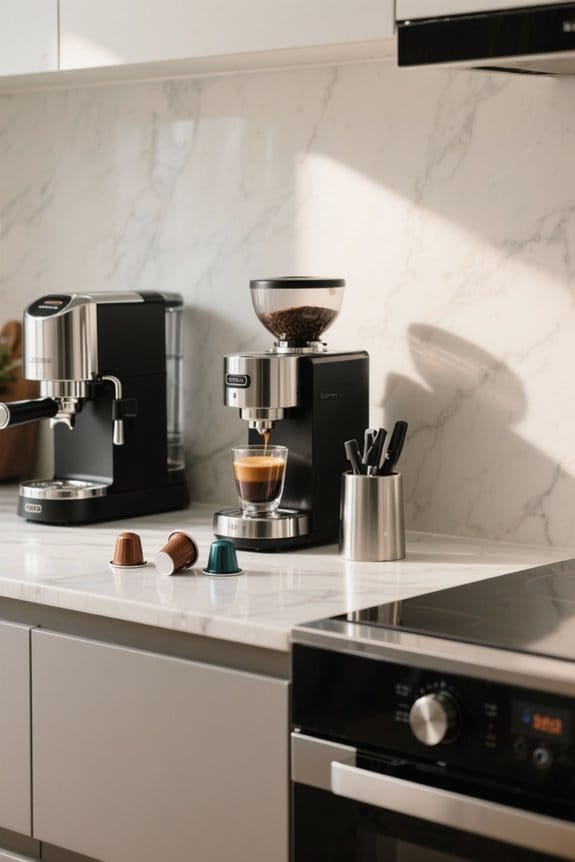
Espresso machine pressure is a significant factor that directly influences the quality of the brew. Ideally, espresso machines should operate at approximately 9 bars of pressure to achieve ideal extraction. This pressure is essential for capturing the oils and flavors from coffee grounds effectively. Insufficient pressure can result in undesirable characteristics, such as sour or acidic notes, stemming from under-extraction. Regular maintenance plays an important role in sustaining proper pressure levels. This includes routine tasks like descaling and inspecting components such as the pump and over-pressure valve (OPV). Additionally, inadequately adjusted grind size can also hinder pressure build-up, impacting the extraction process. Understanding these dynamics is important for ensuring a rich, flavorful espresso shot consistently. Moreover, high-quality espresso machines often feature integrated grinders that enhance flavor extraction by ensuring freshly ground coffee is used for each brew.
Common Signs of Pressure Issues
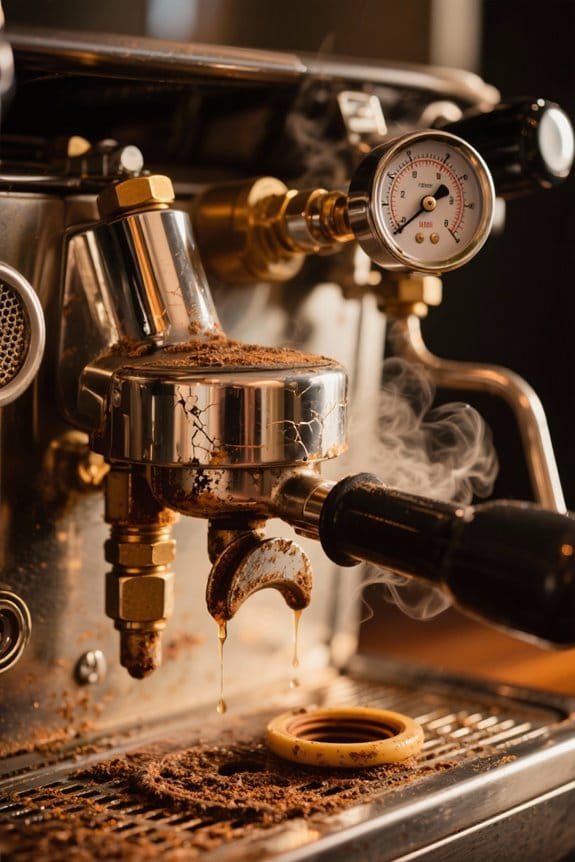
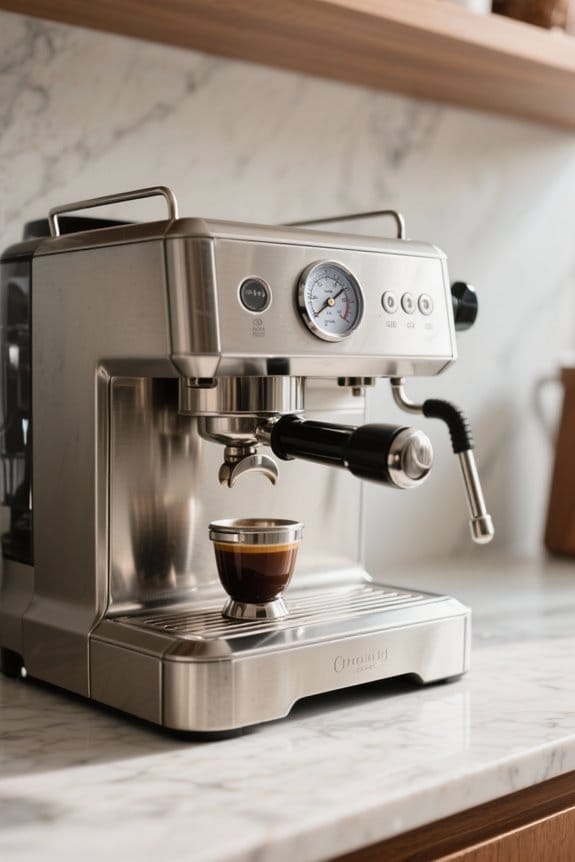
Identifying signs of pressure issues in coffee machines is essential for maintaining ideal brewing conditions. Common signs include a weak or pale crema, indicating low pump pressure during extraction, which results in poorly brewed coffee. Conversely, gushing espresso, characterized by a rapid flow, suggests excessive pressure, risking over-extraction of flavors. Users might also notice pressure gauge swings during brewing, signaling inconsistencies in pressure that adversely affect taste and quality. A slow pour or dribble of espresso typically points to insufficient pressure, potentially leading to under-extracted and sour outcomes. Additionally, the presence of bubbling in the water tank can indicate a malfunctioning over pressure valve (OPV), a vital component impacting brewing pressure. Regular maintenance and easy cleaning with removable parts can help prevent these pressure-related issues.
Causes of Pressure Problems

While various factors can contribute to pressure problems in coffee machines, several primary causes often emerge. A malfunctioning pressure valve, particularly the Over Pressure Valve (OPV), can lead to improper pressure buildup by redirecting water instead of allowing it to pressurize, often indicated by bubbling in the water tank. Additionally, mineral buildup from hard water can clog water lines, considerably decreasing flow and pressure. Incorrect coffee grind size, especially if too coarse, can fail to provide sufficient resistance for proper extraction. Regular cleaning and maintenance, such as descaling and inspecting components, are essential to mitigating these pressure-related issues. Addressing these causes can enhance a machine’s performance and prolong its lifespan. Furthermore, utilizing a commercial cleaner designed for coffee machines can help prevent mineral buildup and maintain optimal pressure levels.
Recommended Products


Certified NSF/ANSI 60

This automatic descaling cartridge is used in conjunction with the Automatic Descale function on select Miele coffee machines
The Pump

The pump serves as an integral component in any coffee machine, directly responsible for generating the pressure needed to push water through coffee grounds. Often, it is the primary suspect when pressure issues arise. While pumps can last several years under ideal conditions, they typically have only two wearable parts, which may degrade over time. A complete absence of sound from the pump usually signals failure, indicating that a replacement may be necessary to restore proper pressure functionality. If the pump emits noise but fails to achieve sufficient pressure, an overhaul might help improve performance. Regular maintenance and inspection of the pump are vital, as they can prolong its lifespan and guarantee consistent espresso extraction, enhancing the overall quality of brewed coffee. Additionally, understanding the essential features for electric espresso makers can help users choose models with reliable pumps.
The OPV (Over Pressure Valve)

A well-functioning Over Pressure Valve (OPV) plays an essential role in maintaining the ideal performance of espresso machines. The OPV diverts excess water back to the reservoir when pressure exceeds 11 bars, thereby protecting the machine from damage. A malfunctioning OPV can result in pressure inconsistencies, often evident through bubbling in the water tank, indicating improper water diversion. Regular inspection and maintenance of the OPV are vital to guarantee proper function, which safeguards espresso extraction quality. Additionally, a worn-out or faulty OPV can considerably impact the taste and quality of espresso by disrupting the ideal pressure needed for peak extraction, typically around 9 bars. Replacements for the OPV are relatively inexpensive, making them a cost-effective pressure solution. Understanding the importance of espresso extraction quality is crucial for achieving the best flavor in your coffee.
The Water Lines
Ensuring ideal pressure in coffee machines often hinges on the condition of the water lines. Clogged water lines can drastically reduce water flow, severely impacting brewing performance. Similar to how clogged arteries impede blood flow, these blockages can create significant pressure issues. Hard water frequently contributes to scale buildup within water lines, leading to obstructions that restrict efficient water flow. Regular descaling is essential to prevent mineral deposits from accumulating and causing pressure loss. Inspecting water lines for clogs is important when diagnosing pressure problems, as even small blockages may lead to inconsistent pressure. Inconsistent pressure can result in undesirable under-extraction or over-extraction of coffee, affecting flavor and overall quality. Additionally, regular descaling every 2-3 months is crucial for maintaining optimal performance and preventing limescale buildup. Addressing water line conditions is critical for ideal machine operation.
The Grind Size
Grind size plays a vital role in the extraction process of coffee, particularly in espresso machines where ideal pressure must be maintained. An incorrect grind size that is too coarse can impede pressure buildup, resulting in under-extracted espresso. In contrast, freshly ground coffee beans create essential resistance to achieve optimal pressure, typically around 9 bars. If the grind size is inconsistent, even minor adjustments are important, as they can considerably affect the taste and quality of the coffee produced. Regularly checking the grind size guarantees that the espresso maintains proper extraction pressure. Consequently, setting the grinder correctly and following a brew guide specific to the machine type can aid in achieving the ideal grind size for optimal espresso extraction. Additionally, using adjustable settings on your grinder can help ensure the perfect grind size is achieved for your specific brewing method.
Fixing Pressure Problems: Where to Start
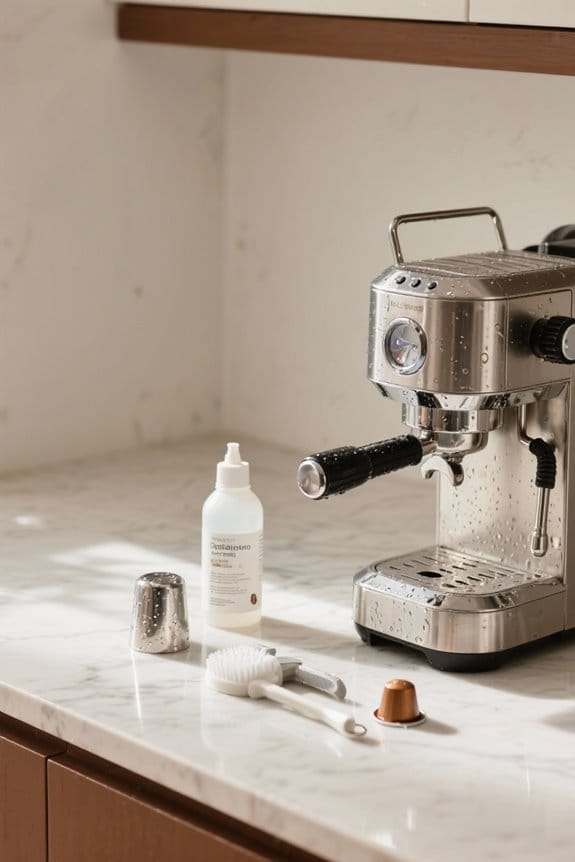
When troubleshooting pressure problems in a coffee machine, the first step involves systematically examining potential culprits that could hinder water flow. Begin by checking the group head and portafilter for blockages, as they can markedly restrict water passage. Manual cleaning of these components is vital, accompanied by thorough descaling to remove mineral buildup. Next, inspect the water reservoir to confirm it is properly seated; a misalignment can impede water delivery. Additionally, verify the water filter for clogs, which may affect pressure. Finally, look for leaks around seals and hoses, as these can further diminish performance. Regular maintenance, including cleaning portafilters and shower screens, is essential for upholding ideal pressure during espresso extraction. Additionally, utilizing detachable components for easy cleaning can significantly help maintain optimal performance.
Preventing Future Pressure Issues
To prevent future pressure issues in coffee machines, adopting a proactive maintenance approach is crucial. Investing in a high-quality water filter can considerably reduce scale buildup, a prevalent cause of pressure loss. Additionally, regularly adjusting the coffee grind size guarantees optimal resistance, hence aiding in maintaining consistent brewing pressure during extraction. Routine maintenance practices, such as checking seals and cleaning components, can prevent leaks and blockages that lead to pressure loss. Inspecting water lines for clogs and performing descaling every three months are critical to maintaining proper water flow and pressure stability. Moreover, closely monitoring any irregularities in machine performance enables early detection and prompt resolution of potential pressure issues, prolonging the machine’s lifespan and efficiency. Regular descaling every 3 to 6 months helps prevent mineral buildup that can affect pressure and overall performance.
Recent Posts
Recent posts highlight the importance of understanding common pressure-related issues that coffee machines face. One significant factor is the presence of mineral deposits, which can lead to clogged water lines. Hard water contributes to scale buildup, directly impacting the flow rate and machine pressure. Additionally, a failing pump, containing two wearable parts, can be overhauled to restore function. Machines like Delonghi are particularly affected by Over Pressure Valve malfunctions, often indicated by bubbling in the water tank. Moreover, an incorrect grind size of coffee, specifically if too coarse, can hinder proper pressure buildup essential for espresso extraction. Regular maintenance, including descaling and cleaning to remove residue, is vital in preventing pressure loss and ensuring ideal coffee brewing performance. Using high-quality filters can also help reduce impurities that contribute to pressure-related issues.
Related Customer Questions
Customer inquiries often highlight various technical aspects concerning coffee machine pressure issues, reflecting a need for clear understanding. One common concern involves the pump; a worn-out pump can compromise pressure stability, necessitating a potential overhaul. Customers also ask about clogged water lines, as hard water scale buildup can obstruct flow, considerably affecting pressure. Identifying blockages typically requires systematic troubleshooting. Additionally, the grind size of coffee beans plays an essential role; a grind that is too coarse may fail to provide the necessary resistance for ideal espresso extraction. Regular maintenance practices, including descaling and cleaning the brew head, are fundamental for preventing these issues and ensuring a consistent coffee experience, ultimately enhancing machine performance over time.
Frequently Asked Questions
Why Is My Coffee Machine Losing Pressure?
A coffee machine loses pressure due to various issues. Regular coffee machine maintenance, including coffee pressure troubleshooting and adhering to brewing efficiency tips, can prevent problems such as clogs, worn parts, and improper grind sizes affecting performance.
What Is the Average Lifespan of a Coffee Maker?
A high-end coffee maker, when properly maintained, can last over ten years. Regular coffee maker maintenance and innovative brewing techniques can extend longevity, while timely machine upgrades can enhance performance and overall experience.
Why Is My Espresso Machine Pulling Weak Shots?
Weak espresso shots often stem from espresso extraction issues, potentially caused by an incorrect grind size or a faulty portafilter seal. Both factors greatly affect pressure, leading to underwhelming flavor and overall quality in the brew.
What Is the Common Problem of a Coffee Machine?
The coffee machine, much like a tired gardener, often struggles with problems: improper coffee grind, inconsistent water temperature, and lack of machine maintenance. These issues collectively lead to a lamentable brew, disappointing the enthusiastic drinker.