As an Amazon Associate, we earn from qualifying purchases. Some links on this site are affiliate links at no extra cost to you. Our recommendations are based on thorough research and editorial judgment.

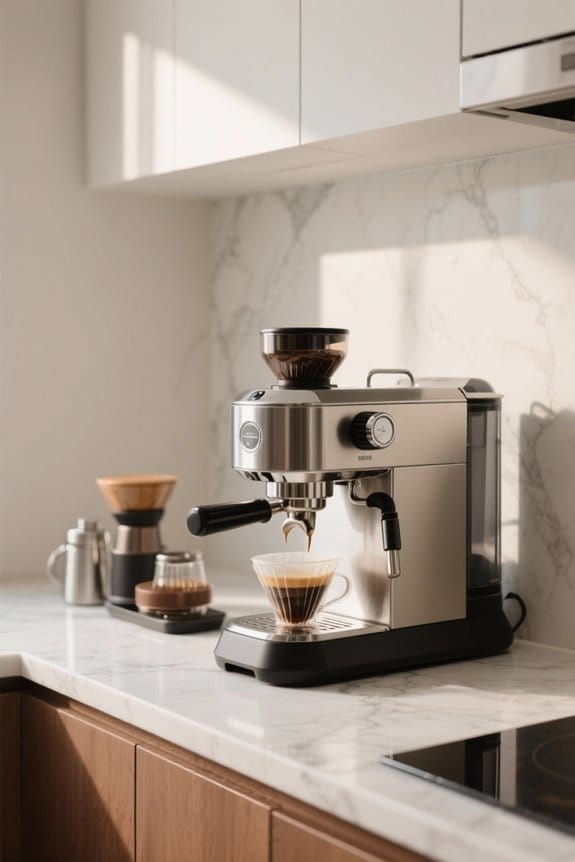
The Rise of At‑Home Espresso Enthusiasts

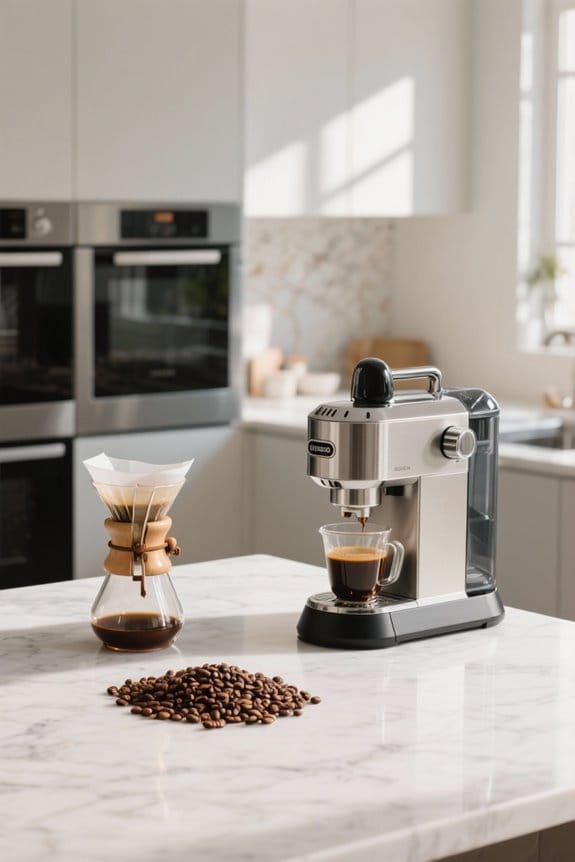
The rise of at-home espresso enthusiasts has greatly influenced the coffee market, creating a $6.7 billion demand for espresso machines. A majority, about 63% of consumers, brewed coffee at home regularly. These enthusiasts prioritize high-quality equipment with features such as integrated grinders and precise temperature control. Additionally, advanced brewing techniques are essential, including a 20-25 second extraction time and a coffee-to-water ratio of 1:2. This shift reflects broader trends in coffee culture and purchasing behavior among younger consumers. Further insights on this evolving trend await exploration.
Key Takeaways
- The home espresso machine market has surged to $6.7 billion, driven by increased consumer demand for quality coffee experiences at home.
- Prosumers, particularly Millennials and Gen Z, seek advanced brewing equipment that offers control and superior craftsmanship in coffee preparation.
- Social media has fostered a community of at-home enthusiasts, enabling them to share techniques and experiences in coffee brewing.
- High-quality espresso machines and grinders with innovative features are essential for achieving café-quality beverages at home.
- There is a strong interest in ethically sourced coffee, reflecting consumers’ commitment to sustainability and quality in their brewing choices.
The Boom of Home Espresso Brewing

You may be interested


As home coffee culture continues to evolve, the boom of home espresso brewing has become evident in recent years. The market for home espresso machines is experiencing significant growth, with companies such as Breville and La Marzocco achieving record revenues. This rise is driven by a global domestic coffee machine market valued at $6.7 billion, largely attributed to coffee enthusiasts seeking high-quality espresso crafted at home. Advanced innovations, including automatic machines with integrated grinders, enable users to brew coffee at home with greater precision and consistency. Curiously, a National Coffee Association report notes that 63% of consumers brewed coffee at home on a single day, highlighting the sustained interest in home brewing that blossomed during the pandemic. Notably, many of these machines feature advanced temperature control, ensuring optimal flavor extraction and enhancing the overall espresso experience.
Recommended Products

VERSATILITY: A world first for hot and cold brew coffee specialties; choose from 32 options

Set Includes: Jura Z10 Fully Automatic Coffee Machine with Aluminum White and Glass Milk Container

Brews the full spectrum of cold brew, sweet and hot coffee specialties at the touch of a button – 40 specialties
Understanding the Prosumer Phenomenon

The phenomenon of at-home espresso enthusiasts, commonly referred to as prosumers, exemplifies a significant shift in coffee culture. These coffee enthusiasts seek advanced control over their brewing methods, investing in high-quality equipment that allows for customizable settings. The global domestic coffee machine market, valued at $6.7 billion, reflects this growing demand. Acknowledging this, millennials and Gen Z are leading this trend, prioritizing superior craftsmanship and transparent sourcing. Social media further fuels this movement as influencers help foster a community where home brewers share techniques, enhancing their skills and experimentation. As the desire for café-quality coffee at home surged during the pandemic, this interest in personalized coffee preparation has remained a prominent aspect of modern coffee culture. Many prosumers are drawn to machines with integrated grinders, which enhance freshness and flavor extraction during brewing.
Essential Equipment for At-Home Espresso Making

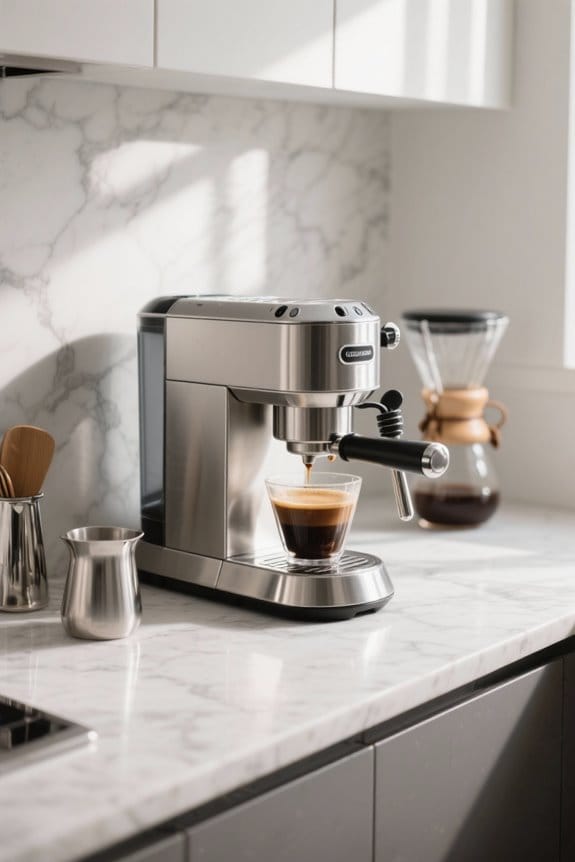
Achieving excellent espresso at home requires specific equipment designed for peak performance. Key items include high-quality espresso machines and grinders. La Marzocco, with models like the Linea Mini and Linea Micra, offers professional-grade options, while brands like Breville | Sage provide affordable machines featuring dual boilers for brewing and steaming. Home baristas often prioritize precision, utilizing coffee equipment that allows for fine-tuned brew ratios. High-end grinders with adjustable burrs and integrated scales guarantee ideal extraction, essential for achieving café-quality results. With the domestic coffee machine market valued at $6.7 billion, the trend indicates a growing interest in mastering espresso techniques, as 63% of consumers brewed coffee at home recently. This reflects the enthusiasm for at-home coffee craftsmanship. Additionally, many enthusiasts are investing in high brewing pressure espresso machines that enhance flavor and extraction quality.
Recommended Products

Attached group pressure gauge

Dual Boiler Espresso - Dedicated brew and steam boilers promise better brew temperature for your espresso.

Dual Boiler Espresso - Dedicated brew and steam boilers promise better brew temperature for your espresso.
The Importance of Quality Grinders

Quality grinders play a vital role in the espresso-making process, greatly influencing the extraction and overall flavor profile of the final beverage. Essential for high-end grinders, grind consistency and size directly impact espresso extraction, determining how well flavors and aromas are released. Modern grinders often feature adjustable burrs and integrated scales, enabling users to customize grind sizes for ideal results. The global domestic coffee machine market, valued at $6.7 billion, reveals a surge in high-end grinder sales among prosumers aiming for café-quality beverages. By employing specific grinding techniques, inspired by World Barista Championship trends, at-home enthusiasts can elevate their espresso preparation. Consequently, investing in quality grinders is essential for achieving precise, consistent, and flavorful brews without reliance on costly espresso machines. Additionally, burr grinders are known to provide superior grind consistency compared to blade grinders, making them a preferred choice for espresso enthusiasts.
Recommended Products

Powerful 1/2 hp Motor - Equipped with safety circuit breaker. This automatic commercial coffee grinder was designed for food service professionals.
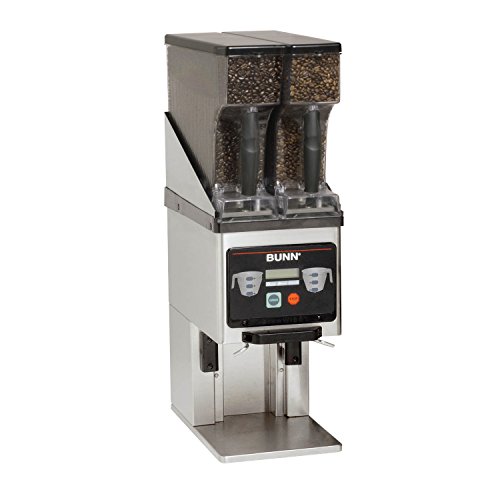
Convenient, front-loading hoppers allow grinding of a wide variety of coffees
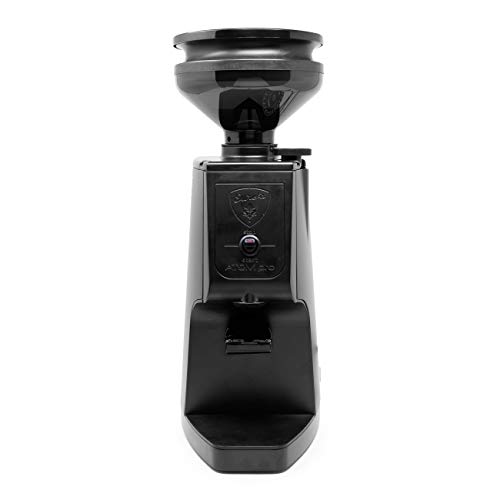
SPECIAL BURRS - Custom cut 75mm steel burrs for unique high consistency grinding size.
Brewing Techniques for Perfect Espresso

For at-home espresso enthusiasts, mastering brewing techniques is vital to creating a satisfying cup. Precision in grind size is essential, with recommended extraction times of 20-25 seconds depending on the coffee beans’ origin and roast level. The ideal coffee-to-water ratio is typically 1:2; for every gram of coffee, approximately two grams of water should be used. Techniques like pre-infusion enhance flavor extraction by saturating the grounds before full pressure is applied, resulting in smoother shots. Maintaining a brewing temperature between 90-96°C (194-205°F) is critical for peak solubility of flavor compounds. Finally, applying proper tamping pressure of around 30 pounds guarantees even water distribution, promoting consistent extraction while preventing channeling, ultimately elevating the home espresso experience. Using high-quality stainless steel portafilter baskets can further improve extraction quality and longevity.
Recommended Products

The Breville Oracle fully automatic delivers third wave specialty coffee at home using the 4 keys formula; It has a professional Dual Boiler construction that delivers unparalleled temperature control and simultaneous extraction and steaming

COMPATIBLE WITH 58 - 58.33MM BASKETS INCLUDING VST (EXCLUDES SANREMO & RANCILIO). This commercial-grade barista machine works with all types of standard naked single sprout and double sprouts portafilters including La Marzocco Nuova Simonelli Slayer and Synesso (excludes Sanremo and Rancilio). The tamper diameter is available in 53mm - 58.3mm with a tolerance of +/- 1mm making it suitable for basket sizes ranging from 58mm to 58.5mm.

Brew Single or Double Espressos – Enjoy the flexibility to prepare a perfect single or double shot of espresso with precise extraction and rich flavor.
Crafting a Personalized Coffee Setup
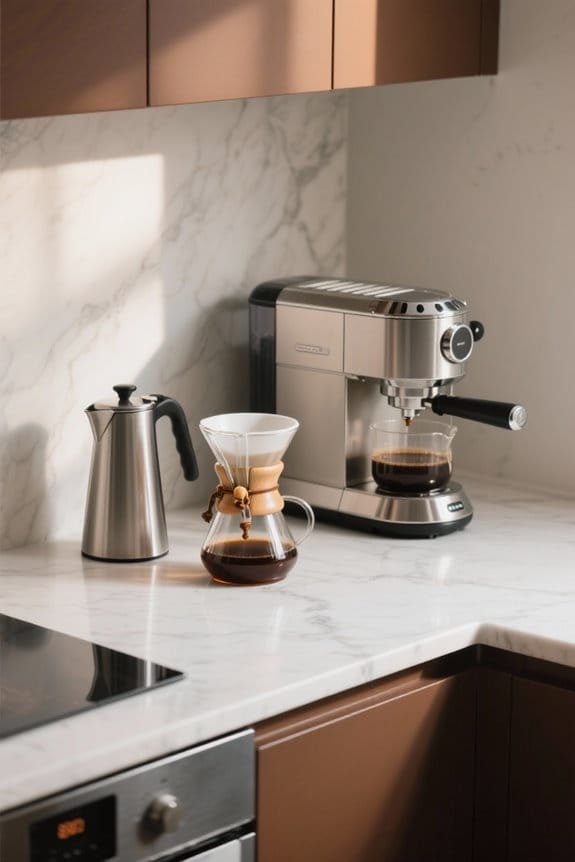
How does one create an effective and personalized coffee setup at home? Coffee enthusiasts, now part of the prosumer market, prioritize espresso machines and grinders that replicate café quality. Popular brands like Breville and La Marzocco offer advanced models, with the Breville Barista Express being a favored choice for its affordable pricing and user-friendly design. Essential to these personalized brewing setups is a high-quality grinder; fresh grounds greatly enhance flavor extraction. Modern grinders provide customizable settings to tailor grind size and consistency. As of early 2026, 63% of consumers report brewing coffee at home, underscoring the trend of crafting unique espresso experiences in personal kitchens. This journey of exploration fosters an invigorating culture of creativity among home coffee aficionados. Moreover, regular descaling is crucial for maintaining optimal performance and ensuring a great-tasting cup of coffee.
Recommended Products

Create personalized drinks with a touch of a button and choose from 40 plus recipe options like Espresso, Americano, Latte, Cappuccino and more
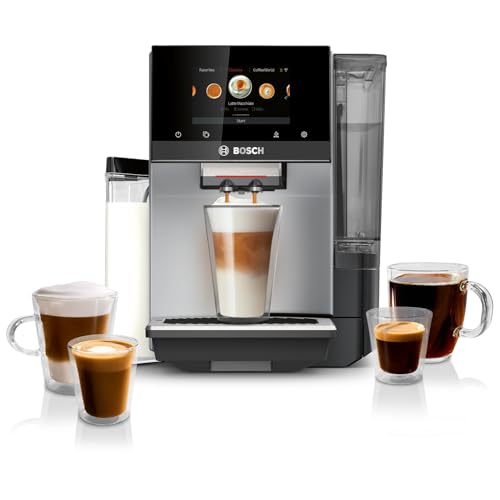
SIMPLIFY AT-HOME COFFEE BREWING: Whether you're in the mood for a latte macchiato, cappuccino, or espresso, the large touchscreen display makes it easy to make and personalize each drink

Dual Boiler: A 1-liter steam boiler and 300ml brew boiler offer simultaneous brewing and steaming.
The Role of Community in Home Brewing
As the popularity of at-home espresso brewing continues to grow, a vibrant community has emerged, uniting enthusiasts who share a passion for coffee experimentation. This community thrives on shared knowledge and techniques, solidifying its role within the broader coffee culture. Online platforms facilitate discussions where enthusiasts exchange insights about espresso machines and brewing methods, fostering camaraderie among members. Influencers contribute by providing tips and advanced techniques, enhancing community engagement. Additionally, coffee subscription services and local cafés adapt to this demand, offering educational content that connects home brewers with industry expertise. This collaborative environment encourages experimentation, prompting many to invest in high-quality espresso machines and grinders, aiming for café-level results within the comfort of their homes. Furthermore, the integration of built-in grinders in modern machines allows for freshly ground coffee, significantly enhancing flavor retention.
Social Media Influence on Coffee Cultures
The vibrant community of at-home espresso enthusiasts has found a dynamic platform in social media, transforming coffee culture into a visual and highly interactive experience. Influencers like Lance Hedrick offer valuable resources, leading to knowledge sharing among coffee lovers. Platforms such as Instagram and YouTube showcase diverse home setups and advanced brewing techniques, attracting Millennials and Gen Z. These demographics prioritize quality, transparency, and experimentation, influencing their willingness to invest in high-end espresso equipment. Social media facilitates discussions on craftsmanship, equipment recommendations, and brewing rituals. This engagement encourages both novice and experienced enthusiasts to refine their skills, contributing to a growing demand for specialized tools. As a result, more consumers aim to recreate café-quality beverages in the comfort of their homes. The rise of eco-friendly materials in coffee equipment also reflects a growing awareness of sustainability among consumers.
The Future of Coffee Consumption Trends
Although the pandemic shifted coffee consumption patterns markedly, the future of coffee consumption trends indicates a complex interplay between home brewing and café visits. By 2026, 63% of consumers brewed coffee at home within the past day, reflecting a shift toward quality setups. The global domestic coffee machine market reached $6.7 billion, driven by espresso equipment demand from coffee enthusiasts seeking high standards. Home brewing peaked at 85% in 2021 but has slightly declined. Nevertheless, brands like Breville and La Marzocco are expanding offerings, catering to a growing desire for precision. While out-of-home coffee consumption rose to 35% in 2026, it remains below pre-COVID levels, underscoring the continued importance of at-home experiences in the Future of Coffee. Additionally, many consumers are now investing in electric espresso makers, which offer convenience and the ability to brew like a barista at home.
Cafés Adapting to a New Coffee Landscape
In response to the surge in home brewing, cafés are evolving into educational environments designed to enhance customers’ coffee-making skills. Local coffee shops now prioritize hands-on demonstrations and equipment tutorials led by knowledgeable baristas, fostering a deeper understanding of how to brew high-quality coffee at home. Prosumers, who seek premium machines, encourage cafés to offer a selection of espresso equipment alongside specialty coffee beans. By responding to consumer feedback, these establishments create tailored experiences that blend at-home brewing with café visits, enhancing customer loyalty. Many cafés have also introduced subscription services, allowing consumers to conveniently receive fresh, curated beans, ensuring quality access while supporting their preferred local coffee shop. This adaptation helps sustain long-term engagement in a competitive market, as cafés emphasize the importance of brewing methods to elevate the coffee experience for their patrons.
Embracing Ethical and Sustainable Practices
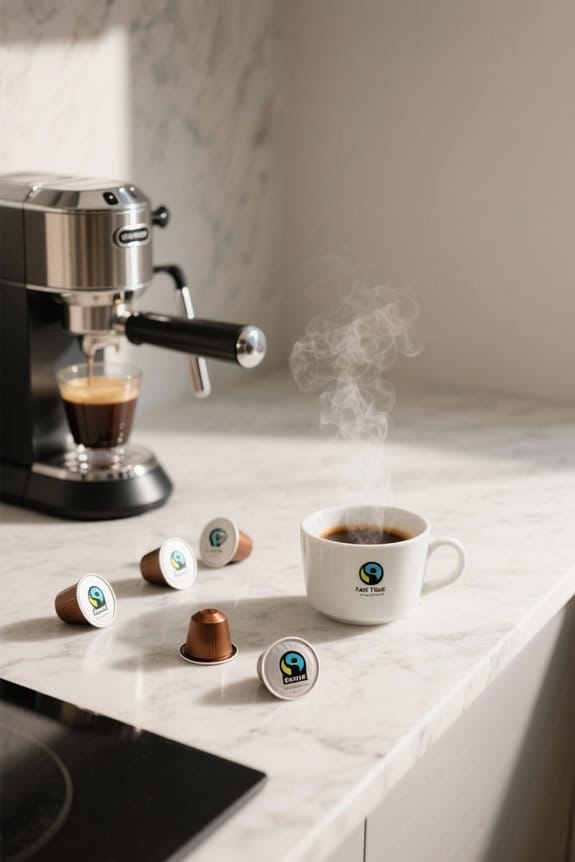
A growing awareness of ethical and sustainable practices shapes the coffee industry today. Consumers are prioritizing ethical sourcing, which supports farmers with fair wages and promotes sustainable agricultural methods. The preference for whole beans from direct trade sources has surged, ensuring that ethical practices are maintained throughout the supply chain. This transparency resonates particularly with millennials and Gen Z, who demand brands committed to sustainability. Studies reveal that sustainable coffee production not only enhances flavor profiles, leading to even extraction, but also helps in preserving biodiversity and the environment. Subscription services are increasingly offering ethically sourced coffee options, allowing at-home espresso enthusiasts to explore high-quality brews while actively supporting sustainable practices in their daily routines.
Frequently Asked Questions
What Coffee Beans Are Best for Home Espresso Brewing?
For home espresso brewing, single origin beans with diverse flavor profiles are preferred. Choosing the right roast levels, ensuring bean freshness, and adjusting grind size are essential for achieving ideal taste and crema in every cup.
How Much Should I Invest in At-Home Espresso Equipment?
Investing in at-home espresso equipment can vary widely. A budget espresso setup might start at a few hundred dollars, while entry-level machines and high-end grinders offer significant investment benefits that yield superior flavor, making cost comparison essential.
Can I Use Regular Coffee Grounds for Espresso?
Using regular coffee grounds for espresso is like attempting a symphony with mismatched instruments. The espresso grind size, brewing time, and coffee extraction methods greatly influence flavor profiles, making equipment alternatives essential for ideal results.
What Is the Ideal Water Temperature for Brewing Espresso?
The ideal water temperature for brewing espresso is between 195°F and 205°F. Proper equipment calibration, thermal stability, and maintaining water quality greatly affect brew time and espresso ratio, resulting in optimal extraction and flavor.
How Can I Improve My Latte Art Skills at Home?
By dedicating weekends to practice, he explored various latte art techniques and milk frothing methods. Utilizing online tutorials for art inspiration, he refined his pour patterns, applying consistent practice tips to enhance his skills each week.