As an Amazon Associate, we earn from qualifying purchases. Some links on this site are affiliate links at no extra cost to you. Our recommendations are based on thorough research and editorial judgment.

How Brew Time Influences Coffee Capsule Flavor

Brew time greatly impacts the flavor profile of coffee capsules. Ideal extraction occurs within 30 to 60 seconds. Shorter brewing times often enhance lighter, acidic notes, while longer durations develop bolder, richer flavors. For example, espresso requires a brew time of 25 to 30 seconds to prevent bitterness. Factors like water temperature, ideally between 90°C and 96°C, and grind size also influence extraction. Understanding these details can elevate one’s coffee experience and reveal further insights into brewing techniques.
Key Takeaways
- Brew time directly affects flavor extraction; shorter times yield acidic notes while longer times produce bolder, richer flavors.
- Optimal brew time for coffee capsules is usually between 30 seconds and 1 minute for balanced flavor extraction.
- Over-extraction occurs with extended brew times, resulting in bitterness and undesirable flavors from the coffee capsule.
- Water temperature and grind size also play crucial roles in how brew time influences flavor, requiring precise adjustments for ideal results.
- Using timers and digital scales can enhance consistency, ensuring optimal flavor profiles during the brewing process.
Understanding Brew Time in Coffee Capsule Preparation
You may be interested


Brew time plays a crucial role in coffee capsule preparation, directly influencing the flavor profile of the final beverage. Typically, brew time ranges from 25 to 45 seconds, depending on the machine. Shorter brew times can highlight lighter, more acidic notes, while longer times often yield bolder, richer flavors. The design of each coffee capsule allows water to flow evenly through the coffee grounds, optimizing the extraction process during brew time. However, exceeding the recommended duration may lead to over-extraction, resulting in bitter flavors that mask the coffee’s complexities. Consequently, adhering to the precise brew time guarantees that each capsule’s pre-measured grind size and coffee amount achieves the intended, well-rounded flavor experience. Additionally, using metal filters can enhance the flavor by allowing aromatic oils to pass through, further enriching the coffee’s profile.
The Role of Brew Time in Flavor Extraction

Achieving the desired flavor profile in coffee involves a careful balance of various factors, with brew time standing out as a pivotal element in flavor extraction. For coffee capsules, ideal brew times usually range from 30 seconds to 1 minute. This duration allows for a balanced extraction of acids, sugars, and complex flavor compounds. Longer brew times can lead to over-extraction, resulting in a bitter taste that masks the intended flavors of the capsule. Additionally, certain capsule types require minor adjustments in brew time to highlight their unique characteristics; for instance, lighter roasts benefit from shorter extraction periods. By utilizing precise brewing methods, consistent flavor profiles can be achieved, enhancing the overall coffee experience. Choosing the right mug rack design can also elevate your coffee experience by ensuring easy access to your favorite cups.
Ideal Brew Times for Different Brewing Methods

When determining the ideal brew times for various coffee methods, it’s essential to evaluate both the extraction process and the specific characteristics of the coffee capsule used. For espresso, a brew time of 25 to 30 seconds is optimal, delivering a rich and concentrated flavor. Pour-over brewing typically requires 2.5 to 3.5 minutes, enabling thorough extraction of capsule flavors. The French press method benefits from a 4-minute brew time, which develops robust flavors while minimizing bitterness. Drip coffee makers generally function within a 4 to 6 minute brewing cycle, adaptable based on the capsule to achieve the desired taste. Finally, the AeroPress offers a customizable experience, with brew times ranging from 1 to 2 minutes to suit personal dilution preferences. Understanding the ideal brew times for different coffee methods can significantly enhance your overall coffee experience.
Recommended Products

NESPRESSO PROFESSIONAL MACHINE BUNDLE: This machine bundle includes a Nespresso Zenius machine, a Quick Startup Guide and two pre-labeled Recycling Bags.

Barista Style: Creates 8 barista-quality espresso and milk recipes at the touch of a button
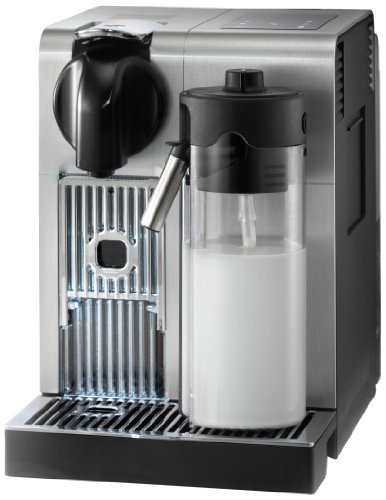
Please refer to user guide or user manual or user guide (provided below in PDF) before first use
Effects of Under-Extraction and Over-Extraction

The impact of brew time on flavor extraction in coffee capsules is significant, influencing the final taste profile of the beverage. Under-extraction occurs when the brew time is too short, typically below 25 seconds, resulting in sour, weak flavors due to insufficient extraction of essential acids and sugars. Conversely, over-extraction happens when brew time exceeds 30 seconds, leading to bitterness from the release of undesirable compounds like tannins. The ideal brew time, ranging from 25 to 30 seconds, balances optimal flavor extraction while minimizing these issues. Variations in brew time considerably alter the aromatic profile; shorter times enhance brighter, acidic notes, whereas longer times yield richer, more robust flavors, emphasizing the importance of precise timing in flavor development. Additionally, the design of espresso machines, such as those with integrated grinders, can further influence the quality of the coffee by allowing for fresh grounds to be used, which affects the overall extraction process.
Recommended Products

Designed with an ultra-compact 7.5" wide footprint that seamlessly fits into small kitchens, studio apartments, office break rooms, or any countertop where space is at a premium, while still delivering full-size café performance

The Breville Barista Express delivers third wave specialty coffee at home using the 4 keys formula and is part of the Barista Series that offers all in one espresso machines with integrated grinder to go from beans to espresso in under one minute

BARISTA STYLE: De’Longhi’s patented espresso extraction system creates the ideal flow of water with 19 bars of pressure to deliver quality single serve espresso and coffee drinks every time
Common Mistakes in Brew Time Management
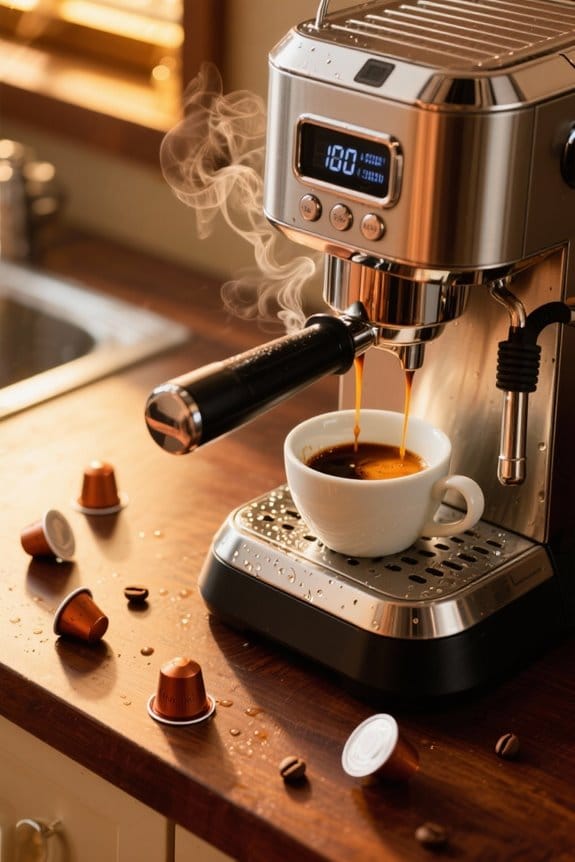
Many coffee enthusiasts encounter common mistakes in brew time management that can greatly impact flavor quality. Rushing the process can lead to under-extraction, resulting in a sour or weak flavor profile. Each coffee capsule is designed for ideal flavor extraction within a specific brew time; not adhering to this can also yield poor results. Conversely, extending brew time can lead to over-extraction, introducing bitterness and masking nuanced flavors. Inconsistent brew times contribute to variations in taste, diminishing the overall coffee experience. To guarantee effective brew time management, following recommended brewing instructions is essential. Implementing timers can help maintain consistency, allowing coffee lovers to achieve the ideal flavor extraction they desire with every capsule. Additionally, understanding grind size compatibility can further enhance the extraction process and flavor profile of the coffee.
Recommended Products

DRIP COFFEE: Experience convenience with fully automatic brewing and 24-hour programmability and enjoy up to 10 cups of coffee with the 10-cup insulated thermal carafe that keeps coffee hot for hours.
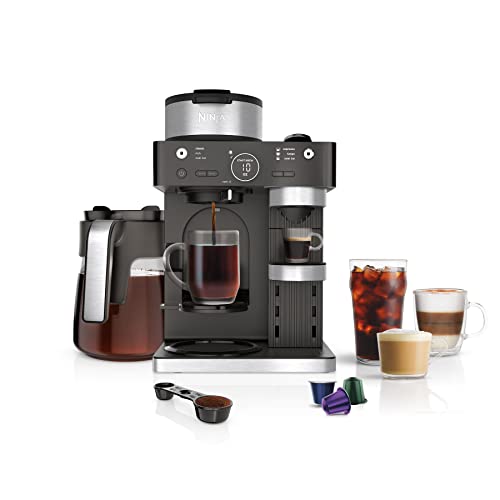
BARISTA PLUS TECHNOLOGY: The 19-bar pressure system delivers ultra-flavorful espresso with a silky-smooth crema by brewing at the optimal temperature and pressure.
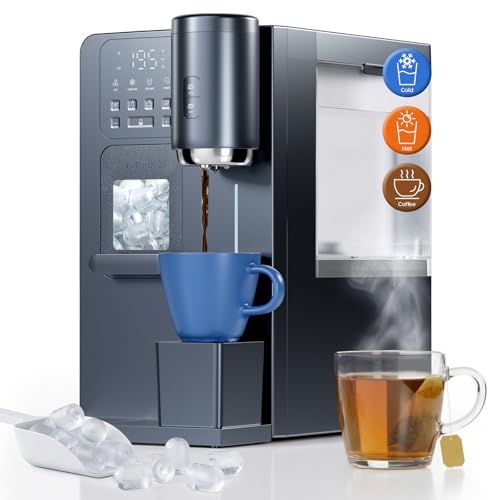
【Multi-Function All-in-One】Oylus ice maker and water dispenser integrates 5 essential functions: ice making, cold water(40-50°F), warm water(113°F), hot water(185-203°F), and coffee making.Replace your separate ice maker, water dispenser, coffee maker, and kettle with one sleek unit to save valuable countertop space.The intuitive control panel allows easy adjustment of water temperature and volume(5-15oz).Thanks to the instant-heating system, hot water is ready in seconds—ideal for instant noodles, instant soup, baby formula, coffee, tea, and more. No more waiting for a kettle. A huge time-saver for breakfast, late-night snacks and quick lunches.Ideal for home, apartment, office and dorm.
Personalizing Coffee Flavor Through Brew Time
Personalizing coffee flavor through brew time presents an innovative approach to tailoring the coffee experience. By adjusting brew time, individuals can influence the extraction process, which determines the flavor profile of coffee capsules. For instance, a brew time of 25-30 seconds is ideal for espresso capsules, optimizing the balance of acidity, sweetness, and bitterness. Different coffee capsules are designed for specific extraction profiles, revealing flavors that range from light and fruity to bold and rich. Experimenting with brew times allows drinkers to uncover various flavor nuances and discover preferences that cater to their taste. Consistent adherence to recommended brew times guarantees that the intended flavor is achieved, providing a satisfying cup of coffee tailored to individual needs. Additionally, understanding temperature control settings can significantly enhance the flavor extraction process, ensuring that each cup meets personal preferences.
Recommended Products

3 One-Touch Recipes Coffee Maker: Simply press a button for a completely automated process—from grinding and tamping to brewing—that delivers perfect consistency every time. Easily customize the strength and cup size to match your exact preference, making your favorite drink as simple as it gets.
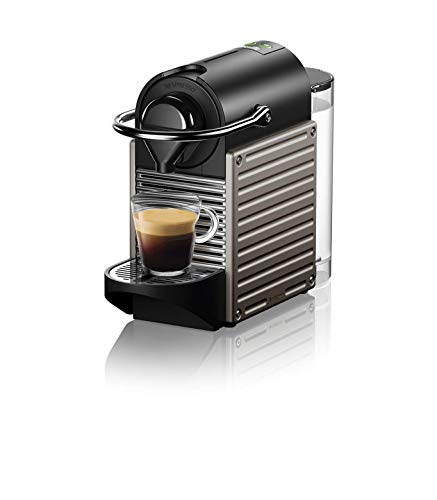
Note: 1)Too coarse a grind, too little coffee, or insufficiently tamping the grounds before brewing can all lead to inadequate pressure for a proper brew. 2)It is important to note that the amount of espresso extracted will vary depending on the grind size and amount and reprogramming may be needed when the size and amount are adjusted

SIZE: Discover the newest and smallest ever single serve espresso maker from Nespresso by Breville, without compromising on exceptional coffee and espresso moments. This compact espresso machine is effortlessly portable and features a sleek design and modern smooth lines, allowing it to fit into anywhere saving valuable counterspace.
The Science of Extraction: Water, Temperature, and Time
Extraction in coffee is a sophisticated process, heavily influenced by three key factors: water, temperature, and time. The ideal water temperature for effective flavor extraction typically ranges from 90°C to 96°C (194°F to 205°F). This range enhances solubility, allowing sugars and oils to be released quickly, while bitters are extracted over a longer period. Brew time is essential; espresso capsules require a shorter extraction time of 25 to 30 seconds for concentrated flavors. However, extending this duration may lead to over-extraction, resulting in bitterness. Consistency in both brew time and water temperature is important for maintaining desirable flavor profiles, as even slight variations can considerably alter the aromatic and taste characteristics of the brew. Additionally, using all-natural ingredients in your coffee preparation can further enhance the overall flavor experience.
Brew Time and Grind Size Considerations
Brew time and grind size play critical roles in shaping the flavor profile of coffee brewed from capsules. Brew time considerably influences the extraction of flavors, as shorter times may highlight lighter, acidic notes, while longer durations favor bolder profiles. The grind size also impacts this process; finer grinds have a larger surface area, allowing for faster extraction. For standard extraction, a medium grind typically benefits from a 30 to 40-second brew time, whereas finer grinds may require only 25 seconds to capture ideal flavors. Coarser grinds necessitate a slightly longer brew time to prevent under-extraction. Understanding the relationship between brew time and grind size enhances flavor complexity, allowing coffee enthusiasts to tailor their experience to personal preferences. Additionally, using a digital coffee scale with 0.1g accuracy can further refine measurements for optimal brewing results.
Exploring Different Coffee Brewing Methods
How do various coffee brewing methods influence the final cup? Each method showcases unique brewing techniques, impacting flavors and overall experience. Drip coffee, brewed in 2½ to 4 minutes, allows controlled blooming and water distribution, enhancing flavor extraction over automated coffee makers. Steeping methods, like French press, typically take about 4 minutes for a robust taste, while cold brew, steeped for 18 to 24 hours, delivers a smoother, less acidic profile. Siphon brewers, with a theatrical process, complete brewing in approximately 2 minutes, creating a distinct experience. Meanwhile, espresso, achieved through pressurized extraction in under 30 seconds, offers a concentrated flavor. Understanding these brewing times and methods leads to personalized enjoyment and exploration of coffee’s diverse flavors. Choosing the right Irish coffee glasses can also enhance the overall drinking experience, adding a touch of elegance and aesthetic appeal.
Recommended Products

Stelton Norman Foster Press Filter Jug Stainless Steel Mirror Polished
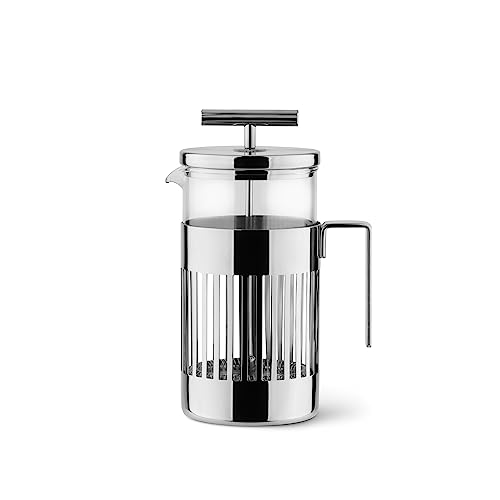
Elegant press filter coffee maker, suitable to be used as an infuser for other beverages

Size (W x D x H): 5.9 x 5.1 x 18.9 x 3.0 inches (15.0 x 12.9 x 45.5
Frequently Asked Questions
How Does Brew Time Affect Coffee Taste?
Brew duration greatly affects coffee taste by influencing the extraction balance of flavor compounds. Ideal timing typically ranges from 25 to 40 seconds, ensuring rich flavors without bitterness, consequently enhancing the overall coffee experience.
What Is the 15 15 15 Rule for Coffee?
The 15 15 15 rule for coffee specifies 15 grams of coffee, 15 ounces of water, and a brew time of 15 minutes, optimizing extraction time, grind size impact, and ideal brew temperature across various coffee brewing techniques.
What Is the 30 Second Rule for Espresso?
The 30-second rule for espresso dictates ideal espresso extraction, facilitating crema formation and ensuring flavor balance. Employing this precise brewing technique maximizes the richness and complexity of the coffee, essential for premium espresso quality.
What Is the 80/20 Rule for Coffee?
Could a minority truly shape the majority? The 80/20 rule in coffee brewing suggests that 20% of factors, like quality and strength balance, yield 80% of taste profiles and flavor extraction, enhancing the overall experience.