As an Amazon Associate, we earn from qualifying purchases. Some links on this site are affiliate links at no extra cost to you. Our recommendations are based on thorough research and editorial judgment.

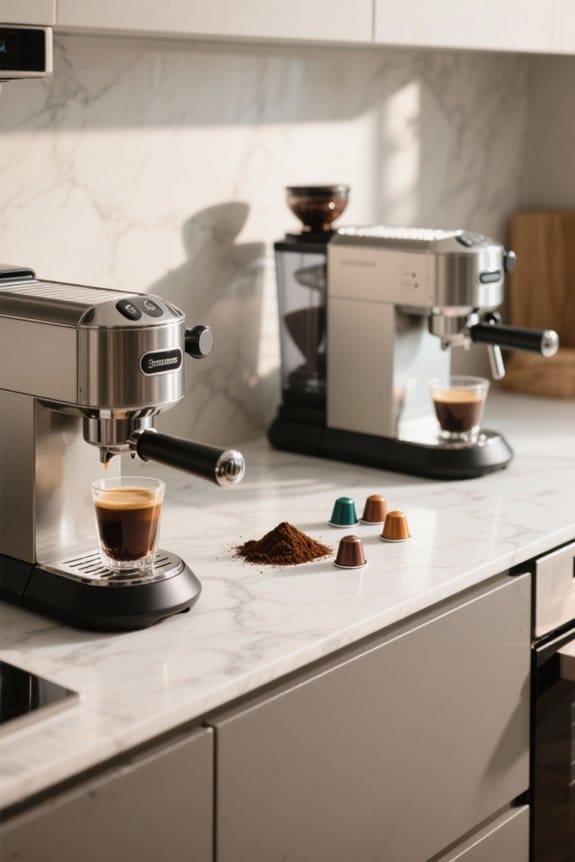
Capsule vs. Ground Coffee: Which Extracts Better?

Capsule coffee allows for rapid brewing using pre-measured pods, ensuring consistent extraction in seconds. However, freshly ground coffee offers a customizable flavor profile, as grinding immediately before brewing retains more natural antioxidants and aromas. While capsules may lead to a uniform taste, ground coffee can enhance complexity through various brewing methods. Despite the convenience of capsules, ground coffee generally provides a richer taste experience and lower cost per cup. Explore further to uncover the nuances of each coffee type.
Key Takeaways
- Ground coffee typically provides richer flavors and stronger aromas due to the freshness retained through immediate grinding before brewing.
- Capsules ensure consistent extraction but may compromise taste by using pre-ground coffee that can lose freshness over time.
- The grind size in ground coffee affects aroma and taste, with smaller particles releasing more oils during extraction.
- Brewing methods can be tailored with ground coffee, allowing for complexity and a personalized flavor experience.
- Capsule machines excel in convenience and speed, while ground coffee preparation emphasizes the ritual and control of the brewing process.
The Brewing Process: How Capsules and Ground Coffee Differ
You may be interested


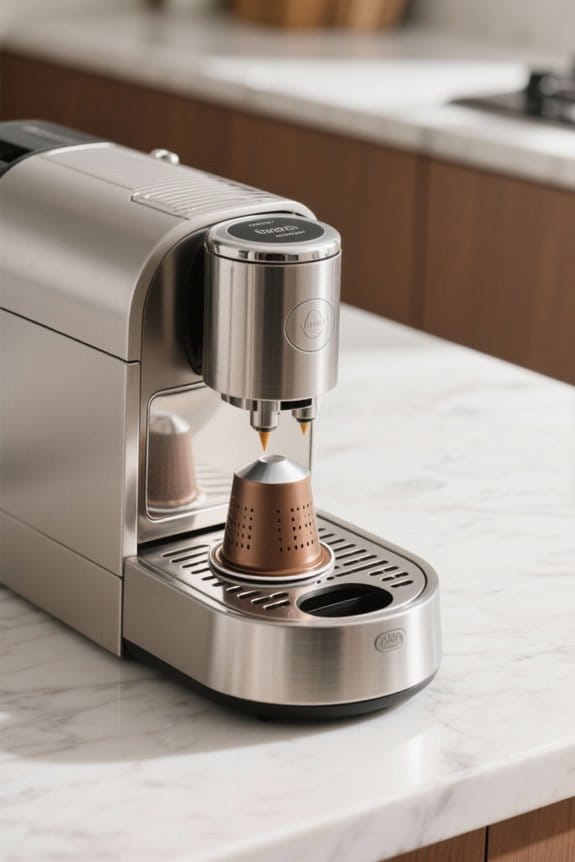
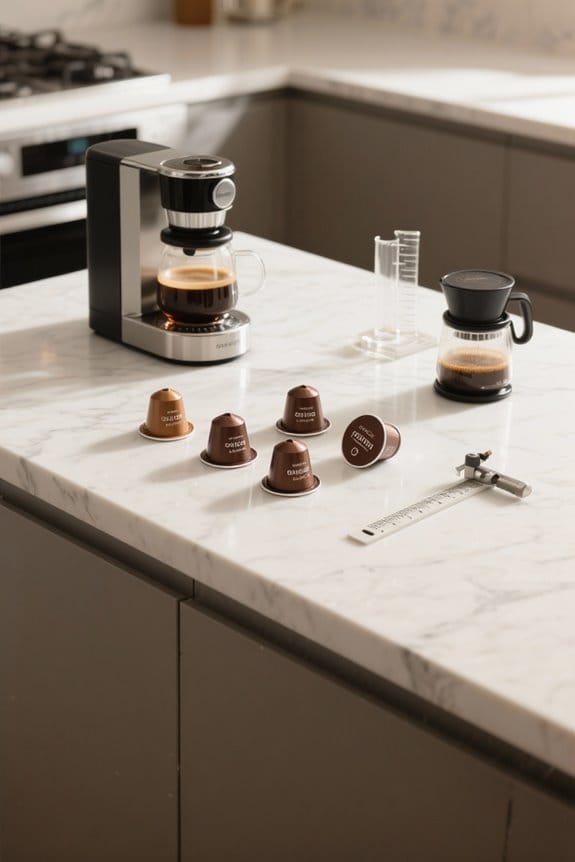
The brewing process for coffee highlights significant distinctions between capsules and ground coffee. Capsules involve inserting a pre-measured coffee pod into a machine, which uses pressure and hot water to quickly extract coffee, usually within seconds. This method guarantees a consistent extraction process, providing uniform results. In contrast, ground coffee requires more manual effort, such as measuring, grinding, and selecting a brewing method like French press or drip, which can take several minutes. Freshness is a critical factor; capsules are hermetically sealed in aluminum, protecting against oxygen and moisture to retain flavor. Ground coffee, however, quickly loses freshness once exposed to air, necessitating storage in airtight containers to preserve aroma and taste. The extraction methods lead to varied outcomes in coffee preparation. Additionally, the choice of oat milk creamers can significantly enhance the flavor profile of both brewing methods.
Recommended Products
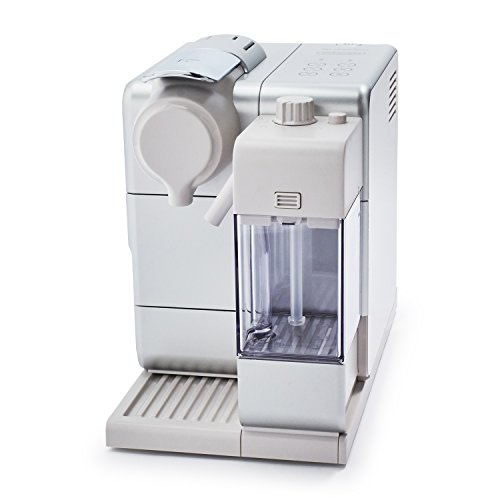
Practical design: sliding drip tray for different cup or glass sizes, removable milk container with rinsing function, illuminated buttons
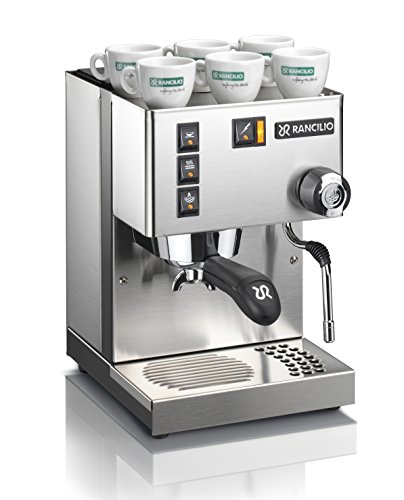
Ergonomic porta filter handle same as the proven design of Rancilio commercial machines

Designed with an ultra-compact 7.5" wide footprint that seamlessly fits into small kitchens, studio apartments, office break rooms, or any countertop where space is at a premium, while still delivering full-size café performance
Flavor Profile: Comparing the Taste of Capsules and Freshly Ground Coffee

Often, coffee enthusiasts notice a clear distinction in the flavor profile between capsule coffee and freshly ground coffee. Capsule coffee tends to suffer in taste, as it can lose flavor due to prolonged exposure to air before brewing. Conversely, freshly ground coffee offers richer flavors and stronger aromas, retaining volatile compounds until brewing. The brewing technique also influences flavor profiles; ground coffee can be tailored using various grind sizes and methods, creating deeper, more complex tastes. Additionally, studies indicate that freshly ground coffee retains more natural antioxidants, enhancing overall taste and health benefits. To sum up, coffee preferences largely shift towards freshly ground coffee for its superior flavor quality and richer sensory experience. This preference is often supported by features like built-in grinders that maximize flavor retention and quality.
Freshness and Aroma: The Impact of Grinding on Flavor

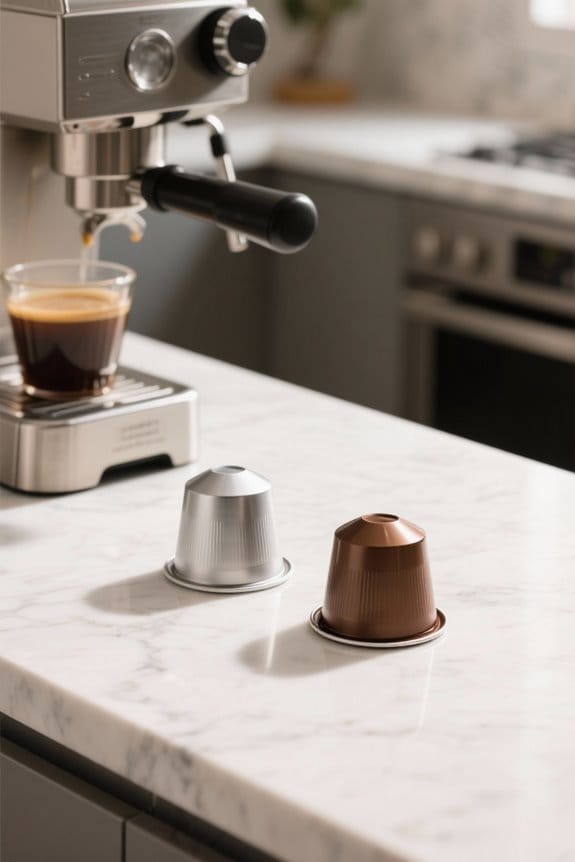
Freshness and aroma considerably influence the flavor profile of coffee, particularly regarding the grinding process. Freshly ground beans retain volatile compounds essential for a richer flavor and stronger aroma. Grinding immediately before brewing enhances freshness, maximizing antioxidant levels and creating a healthier beverage. In comparison, coffee capsules protect pre-ground coffee from moisture, but their flavor and aroma can decline due to prolonged exposure. The grind size also affects aroma, with smaller particles releasing more oils, resulting in a more aromatic cup. Proper storage of ground coffee is critical, as air exposure diminishes freshness and aroma. Capsules provide hermetic closure, helping to preserve these qualities longer, but freshly ground coffee often delivers a superior taste experience overall. Additionally, using eco-friendly materials in brewing equipment can further enhance the overall flavor profile by ensuring no chemical leaching occurs during extraction.
Convenience vs. Ritual: Preferences in Coffee Preparation

When considering coffee preparation, the choice between capsule and ground coffee often hinges on individual preferences for convenience versus the ritualistic process of brewing. Coffee capsules provide unparalleled convenience, allowing users to prepare a cup rapidly by inserting a capsule and pressing a button, which suits busy lifestyles. In contrast, ground coffee preparation emphasizes ritual, requiring more time and attention. Enthusiasts appreciate grinding beans and using traditional methods, fostering a deeper connection to the brew. While capsule machines facilitate quick options and smaller servings, ground coffee is favorable for larger quantities, appealing to heavy drinkers. Ultimately, preferences reflect lifestyle choices, with fast-paced individuals gravitating towards the simplicity of capsules, while traditionalists enjoy the immersive experience of ground coffee. Additionally, many modern pod coffee makers are designed with user-friendly features that enhance the brewing experience.
Recommended Products

ONE TOUCH: Prepare 15 barista quality specialties including espresso, coffee, cappuccino, flat white and latte macchiato at the touch of a button.Filter type:Reusable
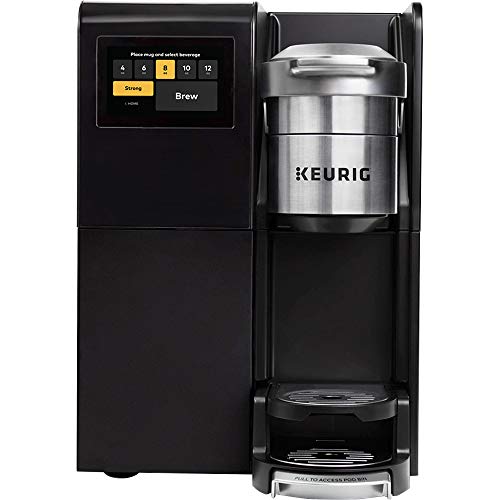
5 Cup Sizes including new 12 oz. brew size

Have a café menu at your fingertips. With 6 hot and iced recipe options – from bold espresso to refreshing iced coffee – your drinks are ready at the push of a button.
Nutritional Aspects: Retention of Antioxidants and Nutrients

The nutritional aspects of coffee consumption are significantly influenced by the method of preparation, particularly regarding antioxidant retention and nutrient availability. Freshly ground coffee retains essential antioxidants, like polyphenols, which may reduce inflammation and enhance cardiovascular health. In contrast, capsules can experience reduced nutrient retention, as prolonged exposure to air and light can deplete volatile compounds before brewing. This can diminish both flavor and health benefits. The brewing process of freshly ground coffee typically allows for greater extraction of nutrients compared to the pre-ground coffee in capsules, which may not fully release beneficial compounds. Additionally, opting for freshly ground coffee limits the risk of chemical exposure associated with capsule materials, contributing to a safer beverage choice. Using a Moka pot, which allows for optimal flavor extraction, can further enhance the health benefits of freshly brewed coffee.
Cost Considerations: Analyzing the Economics of Capsules vs. Ground Coffee
Cost considerations play an essential role in the decision-making process for coffee consumers, particularly when comparing coffee capsules and ground coffee. Coffee capsules typically cost more per cup compared to ground coffee, leading to higher expenses for regular consumers. For heavy drinkers, the cost of single-use capsules can accumulate considerably, while investing in quality coffee makers and grinders can enhance cost savings. A single bag of ground coffee can yield multiple cups, unlike individual capsules. While ground coffee requires more preparation time, budget-conscious consumers may find it a more economical choice. Additionally, ground coffee produces less waste than non-biodegradable coffee capsules, underscoring its potential positive impact on overall environmental considerations. Moreover, using reusable filters can significantly reduce the long-term costs associated with coffee consumption.
Recommended Products

DRIP COFFEE: Experience convenience with fully automatic brewing and 24-hour programmability and enjoy up to 10 cups of coffee with the 10-cup insulated thermal carafe that keeps coffee hot for hours.

With Philips 2200 Series easily make aromatic coffee varieties like Espresso, Coffee and Cappuccino at the touch of a button.Filter type:Reusable.Recommended uses for product : Office, Home.
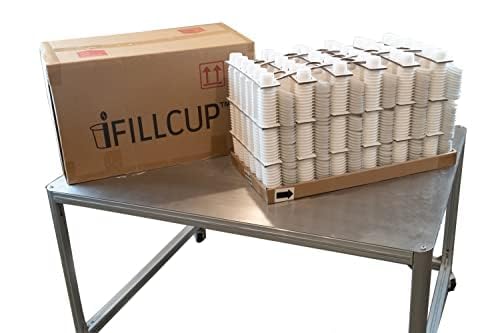
Finally, You Can Brew Coffeehouse Quality in Your K Cup Brewers - iFillCup has been selected by hundreds of premiere coffee roasters worldwide and won multipe Gold medals in GoldenBean competitions (see videos). Its patented DeepBrew filter allows you to fill up to 50% more coffee and make insanely rich brew, not possible with any other pods.
Environmental Impact: Recycling and Sustainability of Coffee Options
How do consumer choices in coffee preparation impact the environment? The choice between coffee capsules and ground coffee carries significant environmental implications. Coffee capsules, often made from aluminum or plastic, contribute to substantial waste, whereas ground coffee reduces packaging and promotes sustainability. Brands like Nespresso have initiated recycling programs for capsules; however, participation rates remain inconsistent among consumers. Additionally, the carbon footprint associated with coffee capsules is typically higher per cup, due to the manufacturing and transportation of single-serving pods. In contrast, using whole beans for grinding at home not only minimizes waste but also results in lower long-term costs. Reusable K-Cups emerge as a practical alternative, fostering a positive shift towards eco-friendly coffee consumption. Ground coffee emerges as the more sustainable option, fostering a positive shift towards eco-friendly coffee consumption.
Versatility: Customization of Grind Size and Brewing Methods
While exploring coffee options, one notable advantage of ground coffee lies in its versatility, particularly in customization of grind size and brewing methods. Ground coffee allows users to adjust grind size, with coarser settings ideal for methods like French press, extracting flavors over longer durations. Conversely, finer grinds work best for quicker brewing techniques, such as espresso, enhancing flavor extraction in mere seconds. Various brewing methods, including pour-over and Moka, similarly benefit from targeted grind adjustments, leading to diverse flavor profiles. In contrast, capsule coffee limits this flexibility, providing pre-measured amounts that simplify brewing but restrict experimentation. Though convenient, capsule machines do not empower users to explore as many preparation styles, diminishing the overall coffee-making experience. Additionally, many manual grinders feature adjustable grind settings, allowing coffee enthusiasts to fine-tune their brew to perfection.
Recommended Products
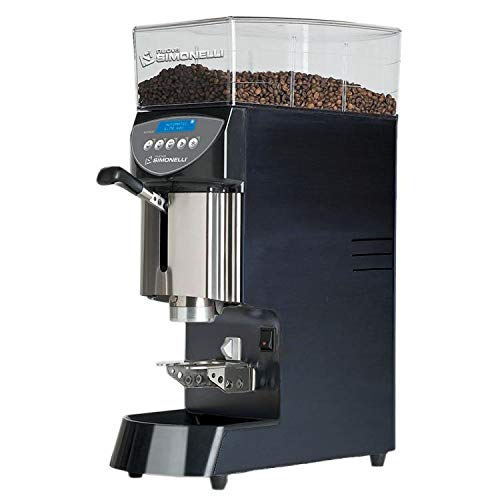
Integrated Dynamometric Tamper: Features a built-in ergonomic tamper with pre-set adjustable pressure that delivers consistent tamping force with every use, ensuring perfectly formed coffee pucks for optimal espresso extraction and eliminating manual tamping variations

SIMPLIFY AT-HOME COFFEE BREWING: Whether you're in the mood for a latte macchiato, cappuccino, or espresso, the large touchscreen display makes it easy to make and personalize each drink

The Breville Oracle fully automatic delivers third wave specialty coffee at home using the 4 keys formula; It has a professional Dual Boiler construction that delivers unparalleled temperature control and simultaneous extraction and steaming
Equipment Needs: What You Need for Each Coffee Type
Coffee enthusiasts recognize that equipment needs differ greatly between capsule and ground coffee. Capsule coffee requires a capsule machine, such as a Nespresso, which simplifies the brewing process and requires minimal effort. These machines offer quick coffee preparation with only the need for the pre-packaged capsules. In contrast, brewing ground coffee necessitates more involved equipment, including a grinder and various devices like a French press, drip coffee maker, or espresso machine. A burr grinder is recommended for ground coffee, as it provides a consistent grind size essential for ideal extraction and flavor. Additionally, while capsule machines require limited maintenance, ground coffee brewing equipment demands regular cleaning to maintain flavor integrity and overall performance. Handheld espresso machines, such as the AeroPress, offer a portable solution for those who enjoy ground coffee on the go.
Recommended Products
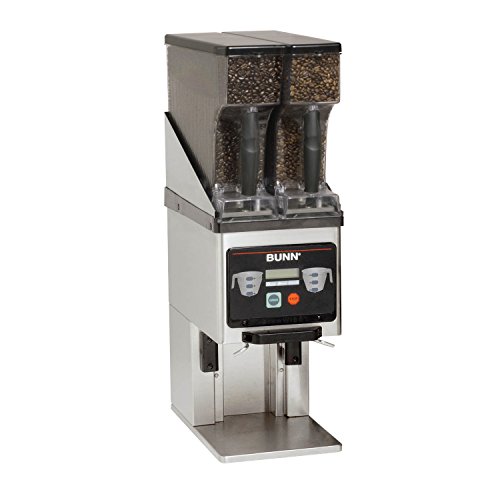
Convenient, front-loading hoppers allow grinding of a wide variety of coffees

#1 Worldwide Espresso Machine Maker* *Independent Research Institute, Sales Leader, Full Year 2025

[64mm Dark-T Burrs] Featuring tough black-coated 64mm burrs made from a mix of titanium aluminum carbon and nitrogen. These burrs last five times longer than regular ones (tested in labs). Manufactured by Fiorenzato using a computerized machine for top-notch quality. They're highly resistant to corrosion wear and are super durable.
Consumer Preferences: Shifts in Coffee Drinking Trends
As consumer lifestyles evolve, preferences in coffee drinking are increasingly leaning toward convenience and variety. The rise of coffee pods has led to over a 20% increase in demand over the last five years, driven by busy schedules seeking quick preparation. Consumers are drawn to diverse flavor profiles and intensities offered by these capsules, enhancing their coffee experience. Additionally, the resurgence of instant coffee among budget-conscious individuals highlights a shift toward affordable yet satisfying alternatives. While ground coffee beans remain popular for fresh coffee enthusiasts, environmental concerns regarding single-use pods are prompting interest in reusable pod options. This trend reflects broader consumer preferences that prioritize efficiency, variety, and sustainability in the coffee-drinking experience, especially as many brands are now focusing on compostable coffee pods to reduce environmental impact.
Frequently Asked Questions
What Is Better, Ground Coffee or Pods?
When considering what is better, ground coffee typically offers a superior flavor profile and brewing method flexibility. Although pods provide convenience, they often carry higher costs and raise significant environmental impact issues compared to ground coffee.
Which Type of Coffee Is Healthiest?
Freshly ground coffee features fabulous health benefits, often showcasing superior antioxidant content and ideal caffeine levels. Varied brewing methods and conscientious dietary considerations further enhance its appeal, promoting overall wellness compared to alternatives like capsules.
What Are the Cons of Coffee Capsules?
Coffee capsules present several cons, including a significant environmental impact due to plastic waste, a higher cost comparison versus ground coffee, limited flavor profile from freshness loss, storage requirements for capsules, and convenience factor limitations.
What Is the Difference Between Coffee Extract and Coffee Concentrate?
Coffee extract derives from various brewing methods, emphasizing extraction time to enhance flavor profiles, while coffee concentrate offers higher coffee strength, requiring fewer beans. Cost comparisons differ, with concentrates often being more economical due to potency.