As an Amazon Associate, we earn from qualifying purchases. Some links on this site are affiliate links at no extra cost to you. Our recommendations are based on thorough research and editorial judgment.

The Evolution of Coffee Rituals in Small Spaces

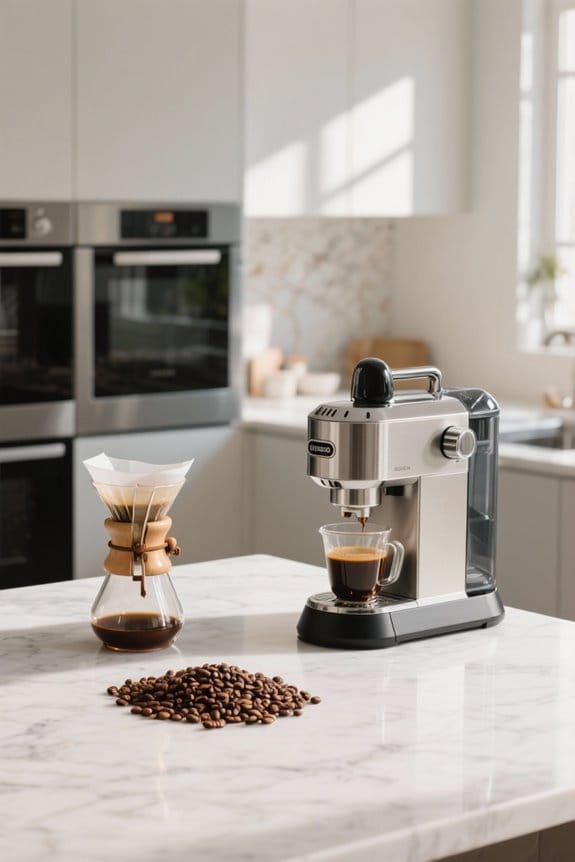
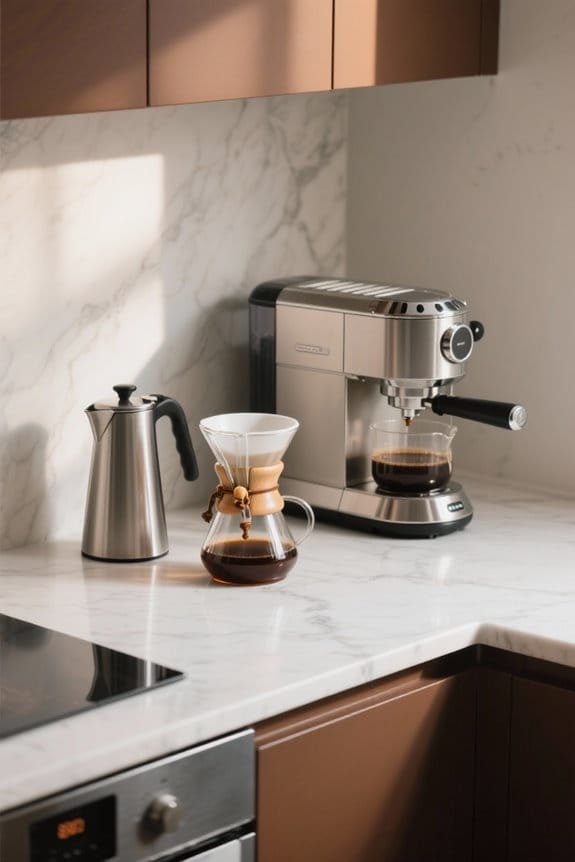
The evolution of coffee rituals in small spaces reflects urban adaptability. Traditional brewing methods, such as pour-over and French press, occupy minimal counter space while allowing for quality extraction. Compact devices like the Aeropress enhance versatility in preparation. Additionally, communal practices, such as Swedish fika, become more significant, promoting social interactions even in confined environments. These changes emphasize mindful brewing and personal expression. Exploring the nuances of these adaptations reveals a richer narrative of coffee culture in urban living.
Key Takeaways
- Traditional coffee rituals have been adapted for small spaces, focusing on simplicity and efficiency without losing cultural significance.
- Compact brewing methods, like pour-over and French press, allow for quality coffee preparation in limited areas.
- Multi-functional equipment enhances the coffee experience while accommodating space constraints in urban settings.
- Virtual coffee gatherings foster social connections, making it possible to enjoy rituals even in small living environments.
- Mindful brewing techniques enhance appreciation for coffee flavors, promoting quality and personal expression in cramped spaces.
The Impact of Urban Living on Coffee Culture

You may be interested


Urban living considerably influences coffee culture, with a notable rise in specialty coffee shops reflecting this trend. These urban cafés, often designed for efficiency and community engagement, facilitate quick social gatherings among busy individuals. Coffee rituals, such as Sweden’s ‘fika,’ have adapted to fit contemporary lifestyles, emphasizing brief moments for connection and mindfulness amidst hectic schedules. Specialty coffee, produced using innovative brewing methods, has become a hallmark of these establishments, offering quality in limited spaces. Additionally, home coffee preparation has evolved alongside this trend, with compact devices like single-serve machines and portable pour-over kits catering to urban residents. This transformation showcases how urban life reshapes coffee culture, balancing convenience, quality, and social interaction within confined environments. The popularity of moka pots has surged among coffee enthusiasts seeking authentic espresso experiences in small living spaces.
Recommended Products

This bundle includes (1) Smeg DCF02US 50's Retro Style Drip Filter Coffee Maker and (1) Smeg CGF01US Coffee Grinder.

Coffee maker with an unmistakable design, the copper bottom ensures excellent heat distribution

[Engineered for Unwavering Precision] – Equipped with a 53mm stainless steel conical burr, this burr coffee grinder ensures consistent, precise grinding for any brewing style. A premium single dose espresso grinder designed for coffee enthusiasts who demand accuracy.
Adapting Traditional Rituals for Small Spaces

How can traditional coffee rituals be effectively adapted for smaller living spaces? Adapting traditional rituals for compact environments often involves using compact brewing methods, such as pour-over or French press, which require limited counter space while still providing quality coffee. In cultures like Ethiopia, coffee ceremonies can be simplified to accommodate fewer guests and scaled-down equipment, preserving their essence. The incorporation of multi-functional coffee equipment, such as stovetop espresso makers, allows users to prepare various coffee styles without sacrificing traditional aspects. Moreover, incorporating foldable or stackable furniture enhances communal coffee enjoyment, supporting the social fabric of coffee culture. Additionally, virtual coffee gatherings through video calls have emerged, enabling shared experiences and fostering connection, even in constrained spaces. The use of compact brewing methods like the AeroPress enables coffee lovers to enjoy a rich, flavorful cup without needing extensive equipment or space.
Recommended Products

Stainless steel construction with large, 11" x 11" ceramic glass cooking surfaces

[ Patented Flat Burrs ] TIMEMORE 078S electric coffee grinder sculptor designed for fine grinding, perfect for espresso, and delivers high uniformity, making it ideal for pour-over brewing as well.

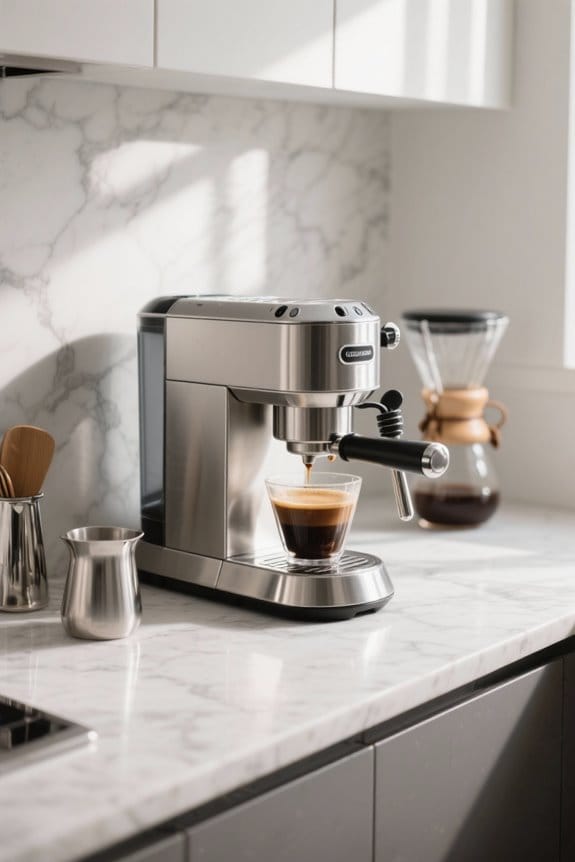
Designed with an ultra-compact 7.5" wide footprint that seamlessly fits into small kitchens, studio apartments, office break rooms, or any countertop where space is at a premium, while still delivering full-size café performance
Minimalist Brewing Techniques for Coffee Enthusiasts

While brewing coffee in smaller spaces presents unique challenges, minimalist techniques enable enthusiasts to maximize flavor and efficiency without the need for extensive equipment. The pour-over method, utilizing devices like the Hario V60 or Chemex, allows for precise control over variables such as water temperature and grind size, enhancing the brewing experience. The Aeropress is favored for its compact design, offering versatility to brew everything from espresso-like shots to smooth cold brews—all with a few essential components. Single-serve coffee makers simplify the process, ensuring minimal cleanup, though they may compromise flavor complexity. Furthermore, portable pour-over kits provide coffee lovers the ability to enjoy high-quality brews on-the-go while adhering to minimalist brewing practices, prioritizing flavor extraction and convenience. Additionally, using reusable stainless steel filters can enhance flavor by extracting oils, making them an excellent choice for those who value rich taste in their coffee.
Specialty Coffee in Compact Environments
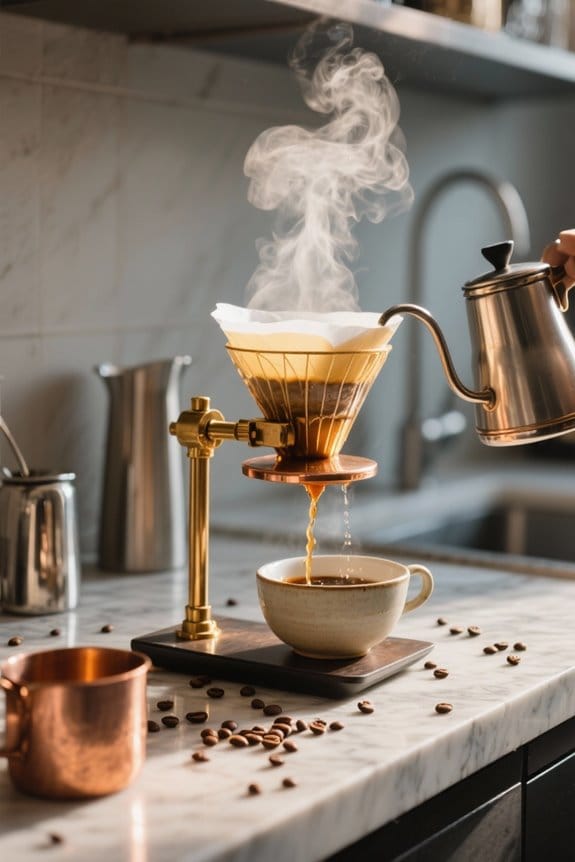
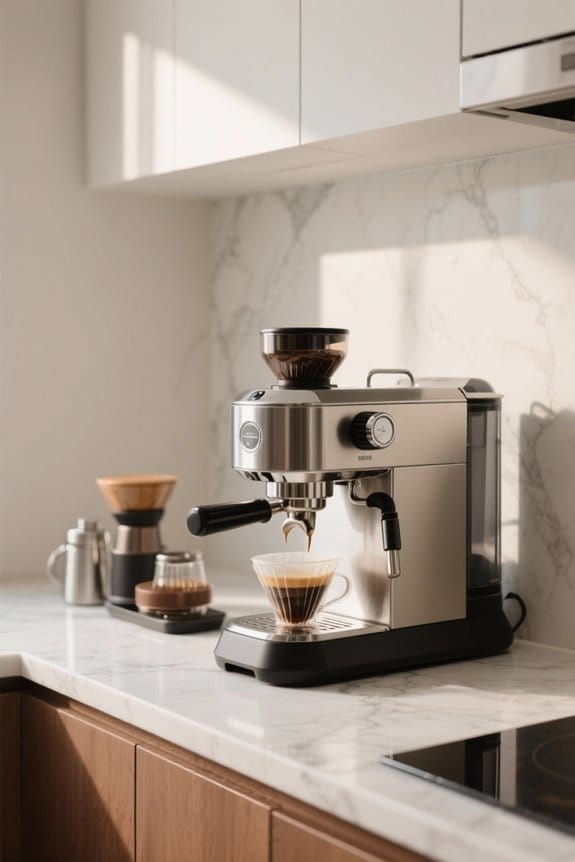
In recent years, a significant surge in the popularity of specialty coffee has transformed compact environments, such as small cafés and home brewing setups, into hubs of high-quality caffeine experiences. Urban cafés now prioritize precision brewing methods, like pour-over and siphon systems, celebrated for their ability to enhance flavor within limited spaces. The third-wave coffee culture emphasizes sustainability and artisanal techniques, appealing to consumers seeking unique experiences over quantity. Mobile coffee carts and pop-up cafés have emerged as trendsetters, allowing vendors to serve gourmet coffee in high-traffic areas efficiently. Additionally, educational workshops on specialty brewing methods empower enthusiasts, promoting advanced techniques for home brewing. Incorporating technology, like smart coffee machines, further enhances the specialty coffee experience in these compact environments. Many of these setups benefit from integrated grinders that ensure freshly ground coffee, significantly impacting flavor quality.
Recommended Products

SIMPLIFY AT-HOME COFFEE BREWING: Whether you're in the mood for a latte macchiato, cappuccino, or espresso, the large touchscreen display makes it easy to make and personalize each drink

Built-In and connected to water supply; NEVER ADD WATER AGAIN!

Note: 1)Too coarse a grind, too little coffee, or insufficiently tamping the grounds before brewing can all lead to inadequate pressure for a proper brew. 2)It is important to note that the amount of espresso extracted will vary depending on the grind size and amount and reprogramming may be needed when the size and amount are adjusted.Filter type:Reusable
Social Connections Through Coffee in Limited Settings

Coffee rituals have evolved considerably in urban environments, especially within confined spaces where social interactions are pivotal. Techniques like the Japanese pour-over highlight mindfulness, promoting appreciation of brewing processes in small spaces. Similarly, the Swedish Fika tradition emphasizes social connections, encouraging individuals to take short breaks for coffee and pastries, fostering camaraderie. Coffee carts and pop-up cafés facilitate public gathering, enriching community hubs with shared coffee experiences. In Turkey, preparing Turkish coffee creates opportunities for connection, emphasizing hospitality that thrives even in limited settings. The rise of specialty coffee shops within small spaces showcases diverse brewing techniques, providing intimate environments for enthusiasts to connect. These adaptations illustrate the essential role of coffee in cultivating community and social connections. Additionally, the use of activated charcoal filters in small coffee setups can enhance the quality of water used for brewing, ultimately improving the taste of the coffee.
Innovative Tools and Equipment for Home Brewing
A variety of innovative brewing tools has transformed the home coffee experience, allowing enthusiasts to create café-quality beverages in the comfort of their own kitchens. Compact espresso machines, such as the Handpresso and Flair Espresso, offer portable options, requiring minimal space and delivering authentic espresso. French press and siphon brewers, favored for their simplicity, occupy little counter space while producing rich flavors. Additionally, smart coffee makers with app connectivity provide customizable brew settings, empowering users to refine their coffee without extensive equipment. Manual grinders like the Hario Skerton and Porlex Mini enable fresh grinding of beans, enhancing flavor profiles while remaining space-efficient. These tools exemplify how innovation allows for exceptional coffee experiences in small living environments. Moreover, efficient brewing capabilities such as those found in AeroPress models, cater to busy lifestyles and enhance the overall coffee enjoyment.
Recommended Products
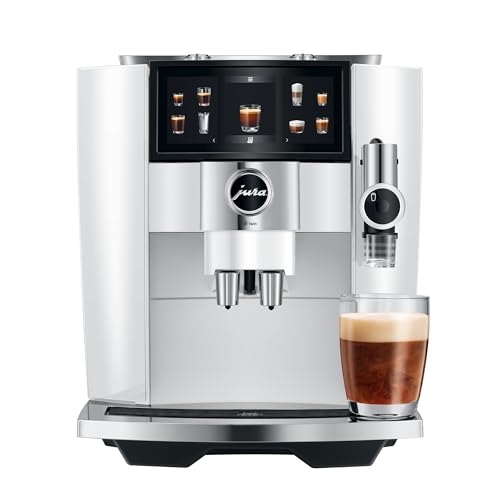
VERSATILITY: Experience a new world of indulgence with exclusive Sweet Foam function – freshly ground, not capsuled – choose from 31 options.

VERSATILITY: Experience a new world of indulgence with exclusive Sweet Foam function – freshly ground, not capsuled – choose from 31 options.
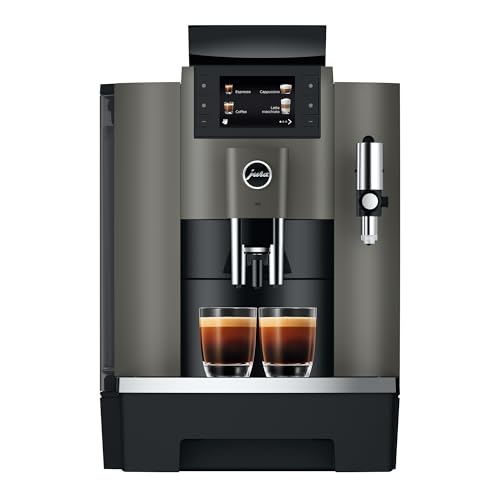
VERSATILITY: Fully automatic coffee machine for hot specialty coffee – choose from 17 specialties. Ideal for workplace environments.
The Role of Coffee Shops in Urban Communities
Urban coffee shops serve as crucial community hubs, greatly impacting social dynamics within neighborhoods. These establishments foster social interaction and community connection, creating informal meeting spaces. Research indicates that neighborhoods with accessible coffee shops see a 25% increase in social cohesion, demonstrating their significance. The rise of third-wave coffee culture has enhanced these venues, emphasizing unique brewing techniques alongside welcoming environments. Urban coffee shops often host events, including art shows or workshops, making them crucial cultural hubs for local residents and visitors. As remote work continues to grow, many coffee shops adapt by providing reliable internet and comfortable seating, effectively becoming extensions of office spaces. Such adaptations further solidify their role in nurturing community relationships in bustling urban settings. Additionally, offering unique flavor experiences, such as salted caramel syrups, can attract customers looking for more than just coffee.
Mindfulness and Rituals in Coffee Preparation
How can the act of brewing coffee transform into a mindful ritual? Mindfulness in coffee preparation encourages a deliberate, slow approach, allowing individuals to immerse themselves in the sensory experience. Techniques such as pour-over and French press necessitate attention to details like grind size, water temperature (typically 195°F to 205°F), and extraction time (around three to four minutes). These practices can foster a meditative state, creating a calming routine amidst daily chaos. Additionally, the communal aspect of coffee rituals, even within confined spaces, strengthens connections. Sharing brewed coffee or participating in the brewing process enhances mindfulness and social interaction. Significantly, Japan’s kissaten culture exemplifies this, emphasizing precision and tranquility, as baristas meticulously craft each cup, transforming the process into a ceremonial experience. Incorporating electric percolators into the ritual can enhance convenience and efficiency, allowing for a seamless transition from preparation to enjoyment.
Savoring Flavor: Quality Over Quantity
Brewing coffee with mindfulness naturally leads to a deeper appreciation for flavor, where quality is prioritized over quantity. The rise of third-wave coffee underscores this shift, favoring artisanal methods and high-quality beans sourced sustainably. Specialty coffee shops, often in smaller spaces, emphasize meticulous brewing techniques, adjusting grind size, temperature, and infusion time to enhance flavor profiles. Popular methods like pour-over and French press allow single-cup brewing, promoting savoring over chugging. Workshops and tastings in intimate settings provide educational opportunities to explore diverse flavor notes, encouraging participants to focus on quality. This cultural change encourages consumers to enjoy smaller gatherings, transforming coffee consumption into a practice of savoring each nuanced sip, rather than merely consuming for volume. Additionally, using tools like cold foam makers can elevate the coffee experience by adding rich textures to beverages and allowing for creative customization.
Coffee as a Medium for Personal Expression
Coffee serves as a powerful medium for personal expression, allowing individuals to transform their morning routines into unique rituals. In small spaces, personal coffee rituals emerge with an individual’s distinct flavor preferences and preparation methods. The rise of specialty coffee encourages the use of advanced equipment, like pour-over systems, elevating brewing techniques to new heights. Coffee art techniques, such as latte art and flavored syrups, turn each cup into a personalized masterpiece. Community-oriented coffee also plays an essential role, fostering connections through shared brewing sessions that highlight unique styles and cultural coffee traditions. Digital platforms enhance this experience, enabling enthusiasts to document personal coffee rituals and inspire creativity within their networks, therefore promoting a vibrant coffee culture. The use of quality coffee sourced from the top 1% of producers ensures that each brew is not only a personal expression but also a commitment to excellence in every cup.
Embracing Global Coffee Traditions in Small Spaces
In small urban kitchens, the opportunity to embrace global coffee traditions becomes an enriching experience, as individuals adapt these rituals to fit their limited space. The Ethiopian coffee ceremony allows for communal roasting and brewing, enhancing appreciation for coffee’s cultural significance. Meanwhile, the Japanese pour-over method, celebrated in traditional kissaten coffee houses, requires minimal equipment yet offers a precise brewing experience. Compact setups for Turkish coffee using a cezve produce rich flavors while incorporating fortune-telling with coffee grounds, fostering unique interactions. Additionally, the Swedish fika tradition promotes mindful breaks, encouraging relaxation over coffee and pastries. Finally, versatile tools like the French press or AeroPress enable exploration of diverse preparation methods, transforming small kitchens into vibrant centers of global coffee traditions.
Frequently Asked Questions
How Has Coffee Culture Changed Over Time?
Coffee culture has transformed through evolving coffee trends, diverse brewing methods, and the rise of specialty coffee, enhancing café experiences while fostering social connections. This evolution reflects contemporary lifestyles and preferences for personalized, high-quality coffee encounters.
What Is the 15-15-15 Coffee Rule?
In a bustling café, the 15-15-15 coffee rule guarantees ideal flavor profiles, utilizing 15 grams of coffee for every 15 ounces of water. This versatile guideline enhances brewing methods, caffeine effects, and sustainability practices across diverse coffee origins.
What Are the Rituals of Coffee Culture?
Coffee culture rituals encompass coffee preparation methods, social gatherings, and regional variations. Sustainable practices and personal routines further enrich the experience, forging connections through shared moments, while also reflecting individual and cultural identities across diverse landscapes.
What Is the 2 Hour Coffee Rule?
The 2 Hour Coffee Rule dictates that brewed coffee should be enjoyed within two hours to preserve its flavor profiles. Following this guideline enhances social connections during Coffee Time, integrating freshness into daily morning routines and brewing methods.