As an Amazon Associate, we earn from qualifying purchases. Some links on this site are affiliate links at no extra cost to you. Our recommendations are based on thorough research and editorial judgment.

How Capsule Size Affects Coffee Strength

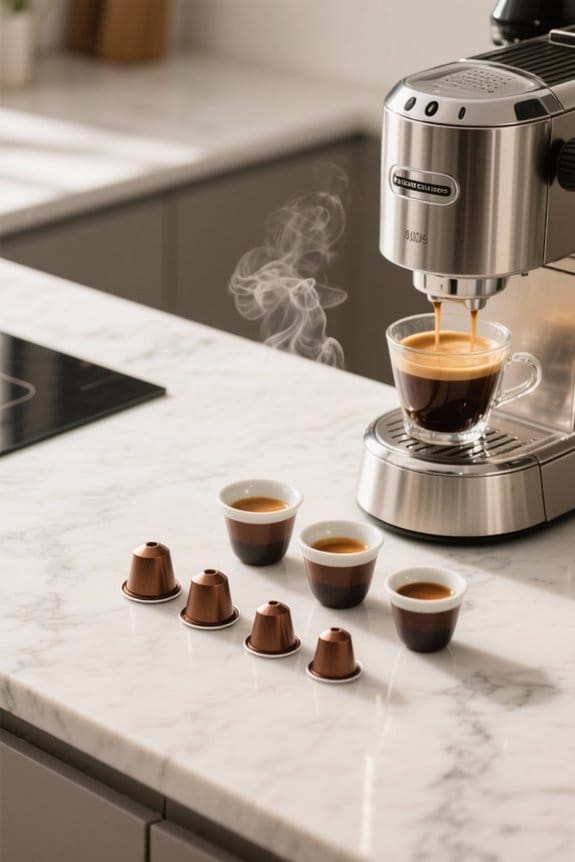
Capsule size considerably impacts coffee strength by influencing the quantity of coffee grounds contained within each capsule. Larger capsules allow for more grounds, leading to higher extraction yields (18–22%), resulting in bolder flavors. Conversely, smaller capsules may restrict ground quantity, yielding milder brews. Additionally, capsule design affects the brewing pressure necessary for ideal flavor extraction. Understanding these relationships helps consumers choose their preferred coffee strength, paving the way for further insights into brewing techniques.
Key Takeaways
- Capsule size directly influences the quantity of coffee grounds used, affecting extraction yield and overall brew strength.
- Larger capsules facilitate higher extraction yields, resulting in stronger brews compared to smaller capsules.
- The quantity of coffee grounds in capsules impacts the concentration of flavors and caffeine content in the final brew.
- Brewing pressure necessary for optimal flavor extraction varies with capsule size, influencing the resultant coffee strength.
- Consumer preferences for capsule size reflect their desired strength, with larger sizes preferred for robust flavors and smaller for finer espresso.
The Role of Capsule Size in Coffee Extraction
You may be interested



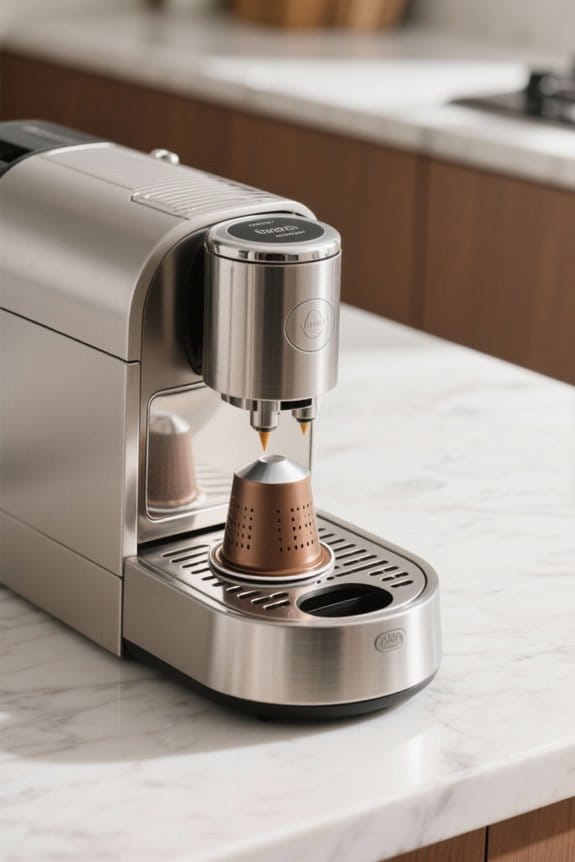
When considering the role of capsule size in coffee extraction, it is important to recognize how it directly influences brewing outcomes. Capsule size determines the amount of coffee grounds held within, impacting the extraction yield and, consequently, the coffee strength. A larger capsule can contain more coffee grounds, leading to a higher concentration of soluble solids, resulting in a stronger brew. Conversely, a smaller capsule may restrict the coffee quantity, yielding a milder flavor profile. Additionally, the ratio of coffee to water is critical; achieving an extraction yield of 18–22% is essential for balancing flavors without undesired bitterness. Different brewing machines require specific capsule sizes to maximize efficiency and ideal pressure, further influencing coffee consumption and overall drinking experience. Furthermore, high-capacity models can enhance your brewing options by accommodating more coffee grounds for a richer flavor.
Recommended Products

VERSATILITY: Experience a new world of indulgence with exclusive Sweet Foam function – freshly ground, not capsuled – choose from 31 options.

ONE TOUCH: Prepare 15 barista quality specialties including espresso, coffee, cappuccino, flat white and latte macchiato at the touch of a button.Filter type:Reusable

Please refer to user guide or user manual or user guide (provided below in PDF) before first use
Impact of Coffee Grounds Quantity on Flavor Profile
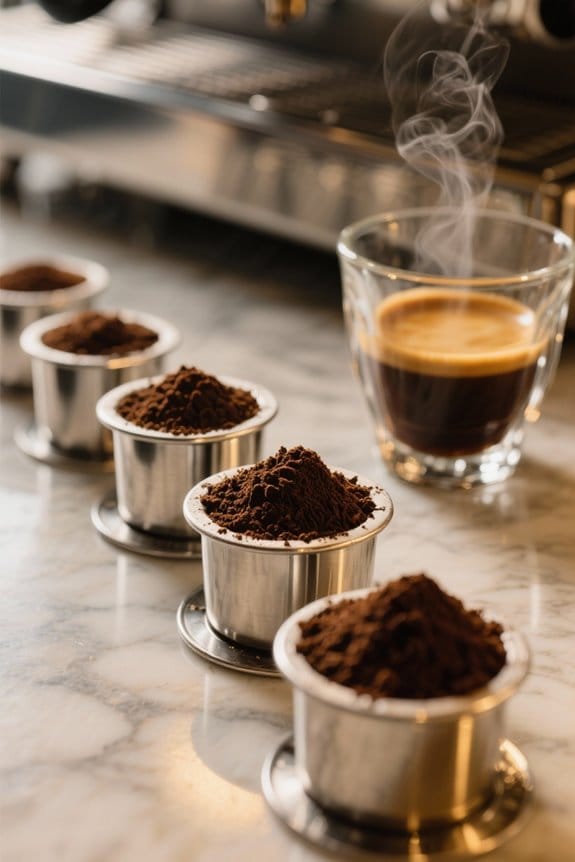
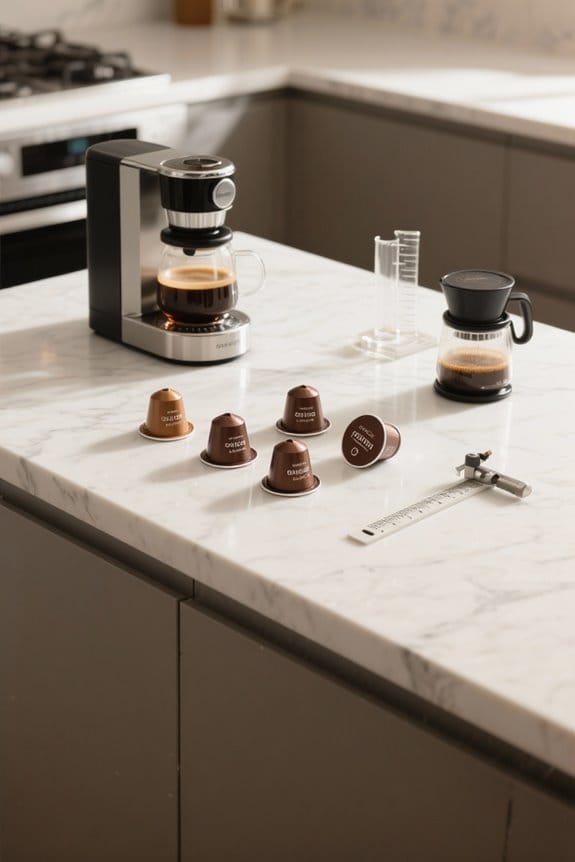
Understanding the impact of coffee grounds quantity on flavor profile is fundamental for achieving a well-balanced brew. The amount of coffee grounds in coffee capsules determines the extraction yield, influencing the flavor outcome. Higher quantities of coffee grounds can enhance the concentration of acidic to phenolic compounds, resulting in a stronger brew. With an ideal total solid content of around 10 g/L for drip coffee, larger capsules can yield a balanced cup by achieving an extraction yield of 18-22%. Brewing methods and variations in parameters, such as brew volume and contact time, further affect flavor. Ultimately, a precise amount of high-quality coffee in each capsule is vital for maximizing flavor potential and delivering a satisfying cup of coffee. Additionally, BrewID Technology allows for automatic adjustments based on the coffee pod used, ensuring optimal extraction and flavor.
Recommended Products

Please refer to user guide or user manual or user guide (provided below in PDF) before first use
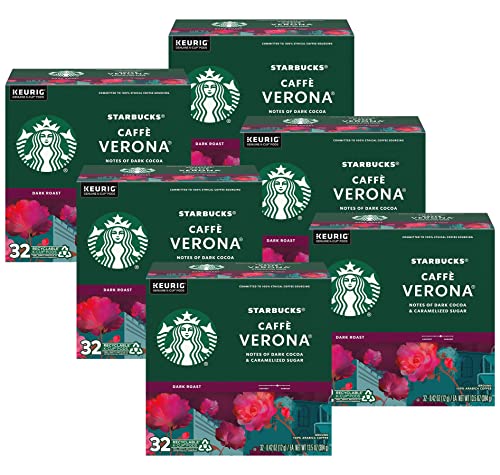
Caffe Verona is a seductive blend of beans from Latin America and Indonesia, with a gentle touch of Italian Roast lending depth, soul and sweetness

SINGLE SERVE COFFEE & ESPRESSO MACHINE: Single serve coffee or espresso at the touch of a button. Innovative programs and features such as 25 sec heat up & energy saving automatic shut off.
Brewing Process and Its Relation to Capsule Size
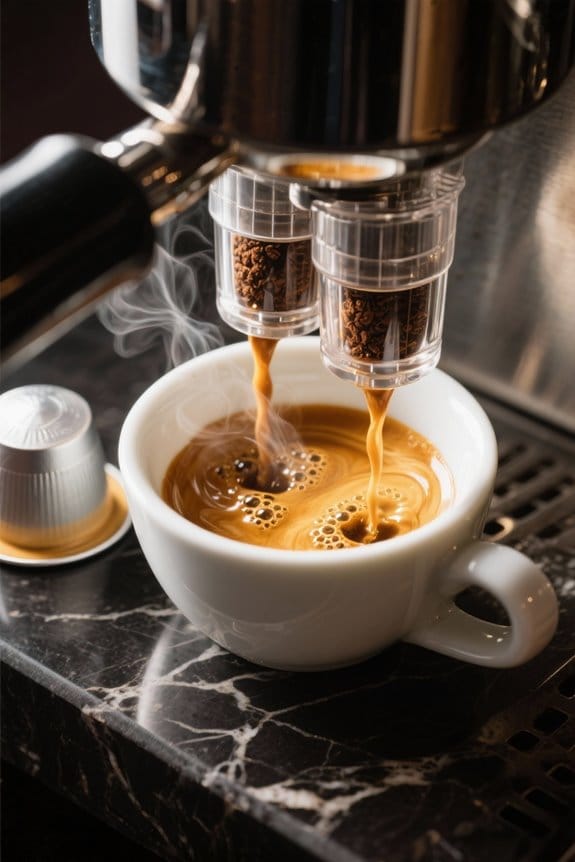
The brewing process greatly hinges on capsule size, impacting key attributes such as coffee strength and flavor extraction. The quantity of coffee grounds in a capsule determines how robust the brew will be. Larger capsules hold more coffee, greatly boosting coffee strength due to increased extraction yield. Additionally, the design of capsules affects brewing pressure; a best balance of thickness and diameter guarantees the right pressure is maintained during the brew method. This is essential for extracting soluble solids that enhance coffee flavor. Furthermore, different capsule sizes align with consumer preferences, catering to those who prefer bolder flavors or milder tastes. Consequently, understanding capsule size plays an important role in delivering the desired coffee experience. Moreover, specific pod recommendations highlight how different blends can cater to varying intensities and flavor profiles, further emphasizing the impact of capsule size on the overall coffee experience.
Recommended Products

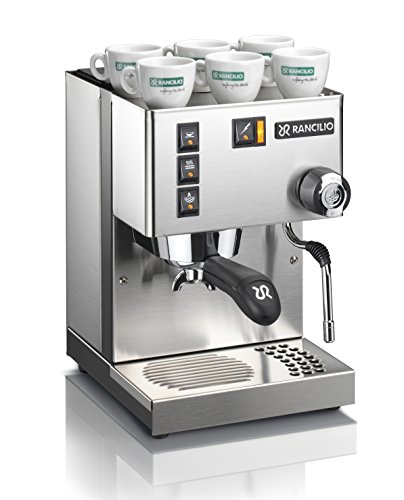
Ergonomic porta filter handle same as the proven design of Rancilio commercial machines

Designed with an ultra-compact 7.5" wide footprint that seamlessly fits into small kitchens, studio apartments, office break rooms, or any countertop where space is at a premium, while still delivering full-size café performance
The Science Behind Caffeine Yield and Strength
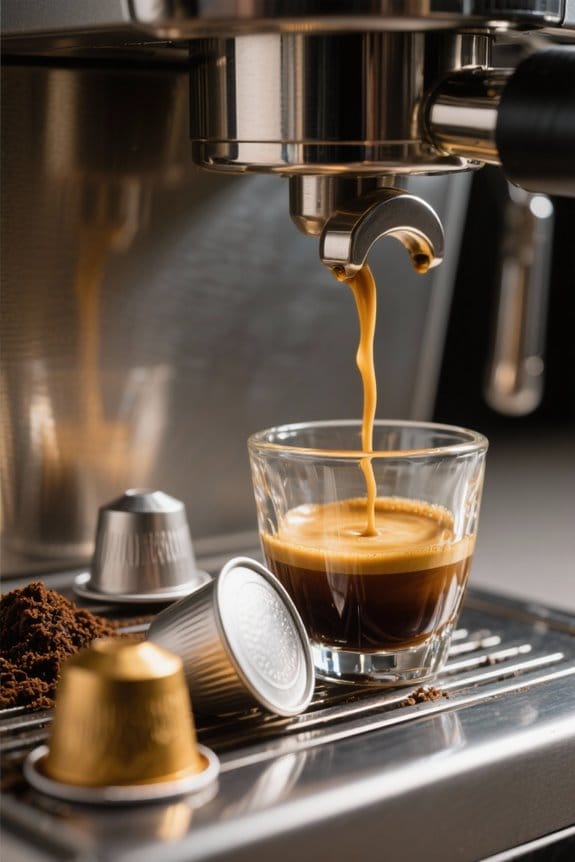
Caffeine yield and coffee strength are scientifically intertwined, primarily influenced by capsule size and the amount of coffee grounds used. The size of the coffee capsule directly determines the quantity of coffee grounds it contains, greatly impacting extraction yield. Smaller capsules optimize water contact with coffee particles, potentially enhancing caffeine concentration and brew strength. Moreover, increasing coffee grounds in a capsule raises total solid value, contributing to a stronger brew. Studies indicate that approximately 80% of soluble solids are extracted in the first 113 mL of brewed coffee, underscoring the need to calibrate capsule size accordingly. Additionally, the balance between capsule dimensions and grind size is essential; finer grinds enhance extraction yield by increasing surface area, resulting in caffeinated beverages rich in flavor and strength. This balance is similar to how salted caramel syrups enhance flavor profiles in various drinks and desserts.
Consumer Preferences and Capsule Size Selection
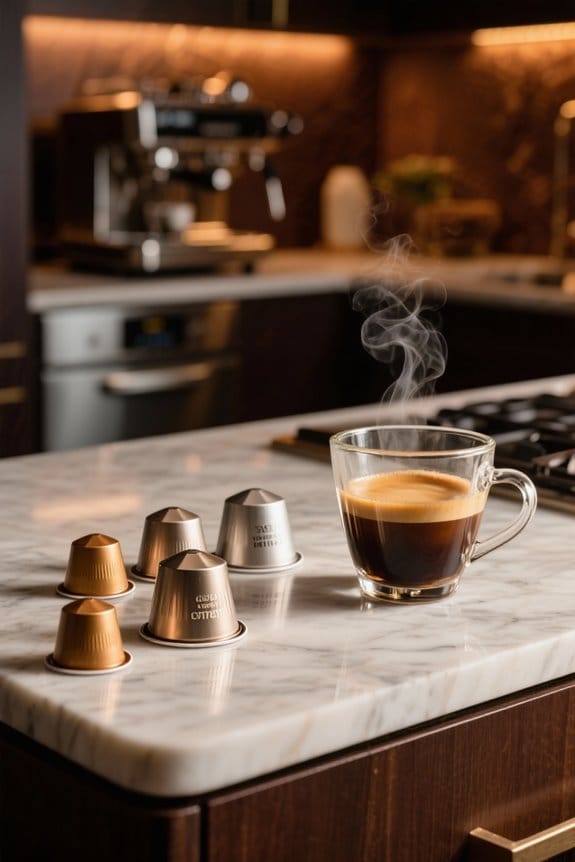
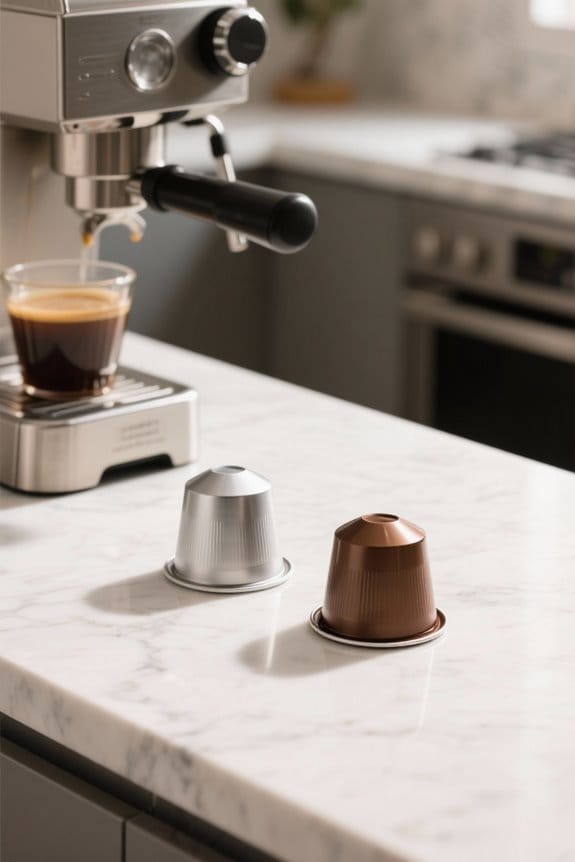
When selecting coffee capsules, consumer preferences greatly shape choices regarding capsule size. The size of coffee pods directly affects the amount of coffee beans used, influencing brewing strength and the overall flavour profile. Consumers often gravitate towards larger capsules, which can hold more coffee, resulting in a stronger brew that many coffee drinkers find appealing. For instance, those who prefer intense espresso typically select smaller capsules, while others may opt for larger ones for a milder lungo experience. This variation indicates the significance of capsule dimensions in meeting diverse consumer preferences for strength. Additionally, the engineering of capsule walls and dimensions maintains ideal pressure during brewing, essential for effectively extracting the desired flavour notes from the coffee. Understanding brew size options is crucial for selecting the right capsule to match individual taste preferences.
Recommended Products


ESPRESSO MACHINE: Enjoy a full range of espresso coffee with Nespresso! Includes an integrated milk frother, 3 seconds heat up and energy saving automatic shut off.

BARISTA STYLE: De’Longhi’s patented espresso extraction system creates the ideal flow of water with 19 bars of pressure to deliver quality single serve espresso and coffee drinks every time
Innovations in Capsule Design for Enhanced Brewing
Innovations in capsule design are transforming the coffee brewing process, enhancing the overall experience for consumers. Recent advancements have optimized capsule dimensions to guarantee a precise amount of coffee grounds is used, essential for consistent flavor strength in espresso and lungo preparations. Thinner aluminum capsules have emerged, allowing improved pressure management and better flavor extraction efficiency. Additionally, manufacturers are experimenting with variable capsule sizes to align with diverse brewing methods and consumer preferences, greatly impacting coffee strength and intensity. The integration of real-time extraction monitoring in brewing machines facilitates adjustments enhancing brew quality. Continuous feedback from consumers drives these innovations, resulting in variations that cater to a wide range of taste preferences and brewing requirements, securing satisfaction across the market. Furthermore, the shift toward reusable K-Cups provides a sustainable option that promotes eco-friendly coffee consumption habits.
Recommended Products

4-IN-1 BARISTA BAR: The Cuisinart Coffee Center Barista Bar 4-in-1 Coffee Maker lets you enjoy up to 12 cups* of coffee (*cup equals approx. 5 oz. (varies by brewing technique) and single-serve cappuccinos, lattes, and espresso.)
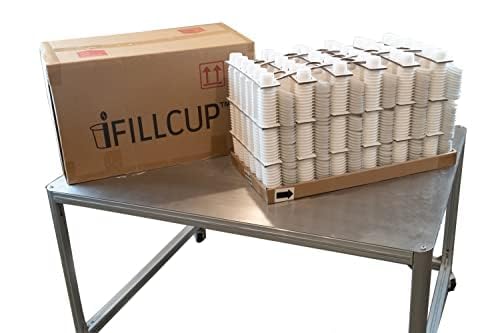
Finally, You Can Brew Coffeehouse Quality in Your K Cup Brewers - iFillCup has been selected by hundreds of premiere coffee roasters worldwide and won multipe Gold medals in GoldenBean competitions (see videos). Its patented DeepBrew filter allows you to fill up to 50% more coffee and make insanely rich brew, not possible with any other pods.
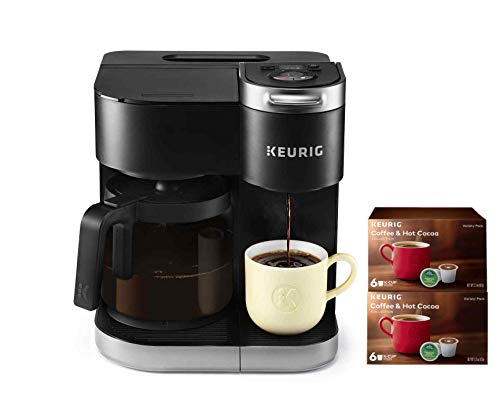
Uses both ground coffee and K-Cup pods
Frequently Asked Questions
What Is the 15 15 15 Rule for Coffee?
The 15 15 15 rule for coffee involves using 15 grams of coffee grounds with 15 ounces of water at 15 degrees Celsius, emphasizing proper brewing techniques, grind size, extraction time, and water temperature for a balanced cup.
Is 20G Too Much for Espresso?
Using 20 grams for espresso can exceed the perfect extraction yield of 18-22%, affecting the flavor profile and resulting in bitterness. Best brewing methods balance dose ratio, grind size, and brew time for enhanced crema formation.
Does Nespresso Intensity Mean More Caffeine?
Nespresso intensity levels denote flavor profiles, not caffeine content. Different Nespresso blends utilize various capsule designs and brewing methods, resulting in similar caffeine levels across espresso shots, regardless of intensity ratings influencing taste experiences.
What Determines the Strength of Coffee?
The strength of coffee is a miraculous blend of brewing methods, grind size, and coffee beans. Factors like water temperature, brewing time, extraction process, flavor profile, roast level, and dosage accuracy converge to create intensity and character.