As an Amazon Associate, we earn from qualifying purchases. Some links on this site are affiliate links at no extra cost to you. Our recommendations are based on thorough research and editorial judgment.

Why Capsule Coffee Sometimes Tastes Metallic

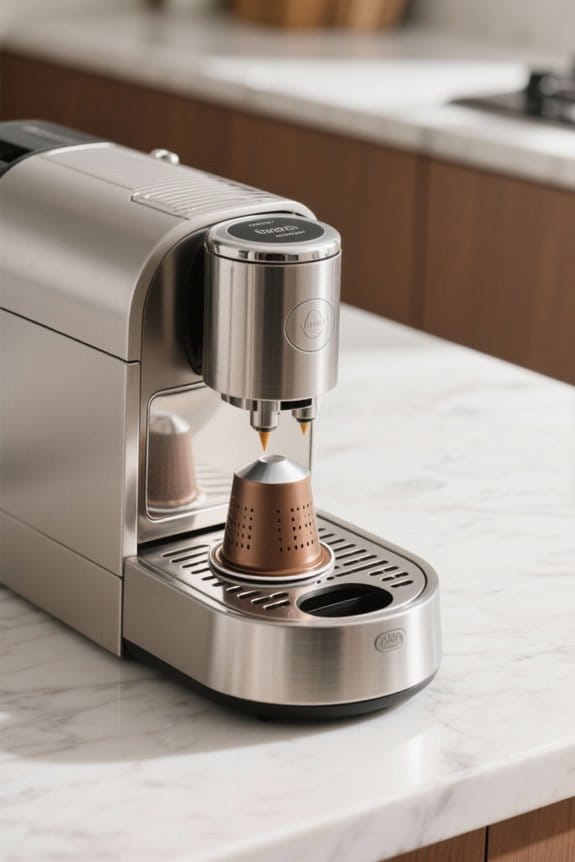
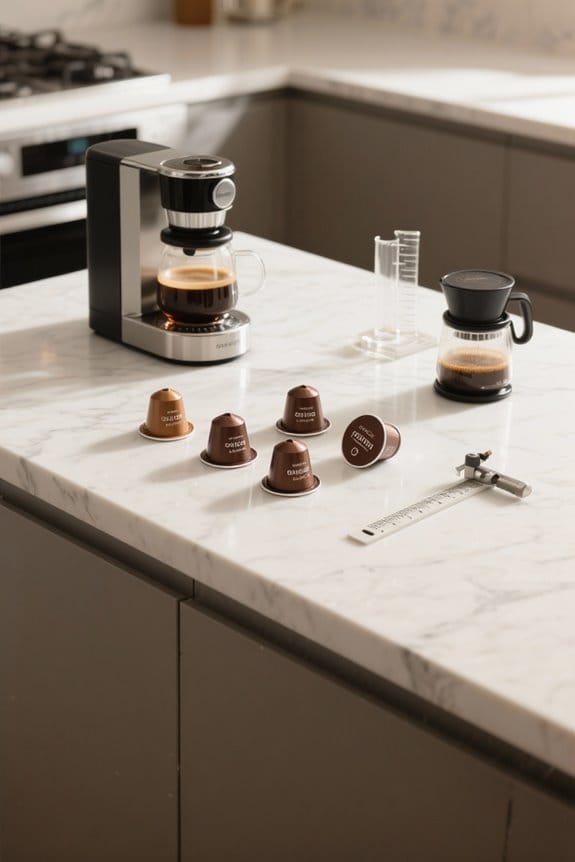
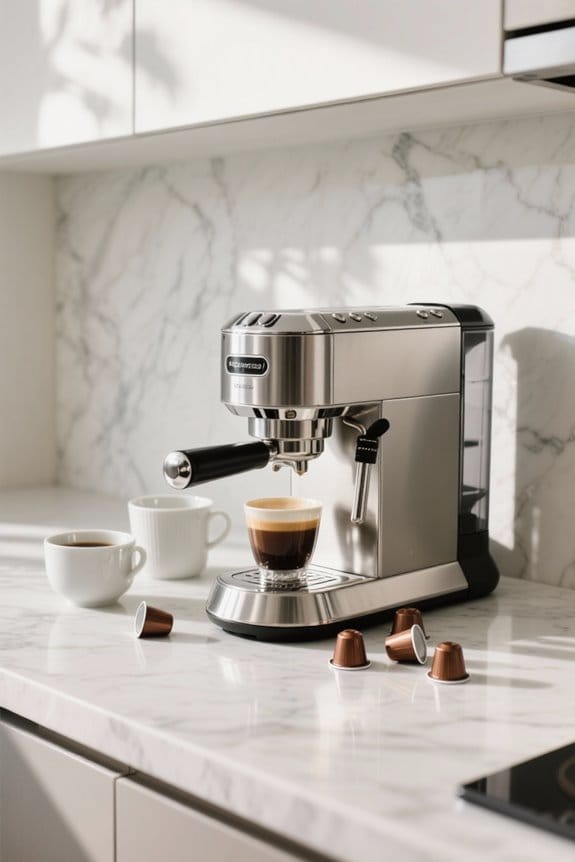
Capsule coffee can taste metallic due to several factors. High mineral content in water, typically above 150 ppm, may impart undesirable flavors. Inadequate machine maintenance allows residues to accumulate, contributing to off-flavors. Oxidation of improperly stored capsules can also affect taste negatively. Additionally, using low-quality paper filters may lead to chemical leaching, further adding to metallic notes. Understanding these causes can help improve the overall coffee experience; additional insights can enhance brewing methods and ingredient choices.
Key Takeaways
- High mineral content in water can contribute unpleasant metallic flavors in capsule coffee.
- Accumulated residues from previous brews lead to off-flavors if the machine isn’t regularly cleaned.
- Low-quality filters may leach chemicals, resulting in a metallic aftertaste in the coffee.
- Improperly stored capsules can oxidize, producing rancid, metallic-tasting brews.
- A malfunctioning heating element may cause undesirable flavor changes in the coffee.
Causes of Metallic Taste in Capsule Coffee
You may be interested


When exploring the causes of a metallic taste in capsule coffee, several significant factors emerge that can particularly impact flavor quality. For instance, the use of water with high mineral content can impart flavors from elements like iron or calcium, contributing to an undesirable metallic taste. Additionally, residues from previous brews may accumulate in the brewing chamber, leading to off-flavors if not cleaned regularly. Low-quality paper filters can leach chemicals during the brewing process, resulting in similar metallic notes. Moreover, improperly stored capsules may become oxidized, yielding rancid flavors. Finally, a malfunctioning or corroded heating element in the coffee machine can affect the overall flavor profile, making it essential to monitor both water quality and brewing methods for best taste. Using activated charcoal in water filters can significantly help in removing impurities that contribute to off-flavors in your coffee.
Impact of Water Quality on Flavor

Water quality appreciably influences the flavor of capsule coffee, impacting taste and aroma. High mineral content, especially in hard water, can impart metallic flavors, negatively affecting the coffee experience. For instance, iron and calcium can intensify these unpleasant tastes. Using filtered or low-mineralization bottled water considerably enhances flavor, as it minimizes undesirable elements present in tap water. Contaminants such as chlorine or sediment further contribute to off-flavors, highlighting the necessity of high-quality water for brewing. The ideal brewing water should be clean, fresh, and have a balanced mineral content, typically around 50-150 ppm of total dissolved solids. This balance optimizes flavor extraction while avoiding metallic notes, ensuring a pleasant tasting experience in every cup. Additionally, using coffee maker water filters can significantly improve water quality, further enhancing the overall brewing experience.
Recommended Products
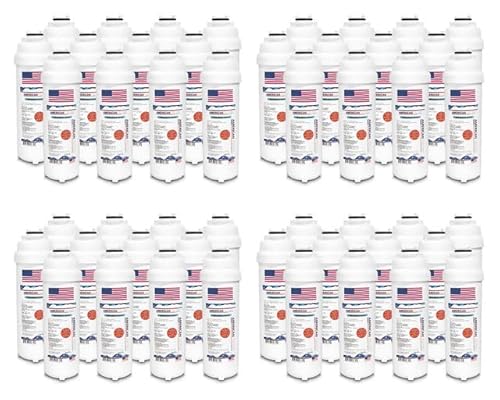
Premium Quality: Highest quality coconut carbon blocks sourced from the USA
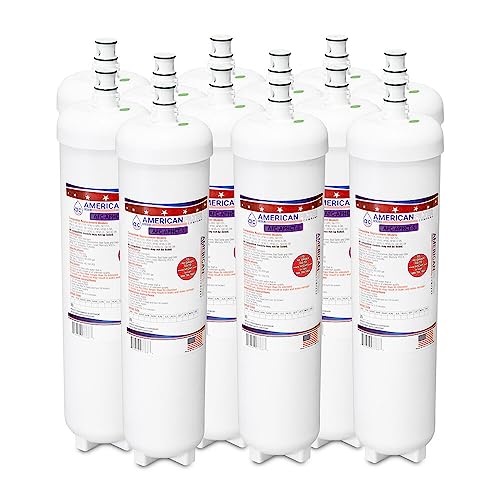
Premium Quality: Highest quality coconut carbon blocks sourced from the USA

Easy 1/4 turn installation. Constructed so that filter media is never touched.
Importance of Regular Machine Maintenance

Regular machine maintenance is critical for ensuring the ideal performance and flavor of capsule coffee. Regular cleaning prevents the buildup of coffee residue, which can contribute to undesirable metallic flavors in the brew. Additionally, descaling the machine every three to six months is essential, as mineral deposits can accumulate and negatively impact taste. Adhering to the manufacturer’s maintenance schedule guarantees that all components, like the brewing chamber and filter, remain clean and functional, optimizing flavor extraction. A thorough cleaning cycle can also eliminate any lingering chemical tastes from the machine. Consistent maintenance routines not only promote the longevity of the equipment but also preserve the quality of the coffee it produces, ensuring a consistently enjoyable cup. By utilizing descaling solutions regularly, you can effectively prevent mineral buildup that leads to off-flavors.
Recommended Products

SIGNATURE COFFEES AND ESPRESSOS: The Vertuo Lattissima coffee machine brews 6 sizes, including 5, 8, 12, and 18 fl. oz coffees, as well as single and double espressos. Brew hot or over ice

SIGNATURE COFFEES AND ESPRESSOS: Vertuo Pop+ coffee maker offers a variety of coffee formats in 5 sizes, including 5, 8, 12oz coffees, as well as single and double espressos brewed hot or over ice.

SIGNATURE COFFEES AND ESPRESSOS: Vertuo Pop+ coffee maker offers a variety of coffee formats in 5 sizes, including 5, 8, 12oz coffees, as well as single and double espressos brewed hot or over ice.
Role of Coffee Bean Freshness

The freshness of coffee beans plays a vital role in determining the flavor profile of brewed coffee. As soon as coffee beans are roasted, they begin to lose their freshness, with significant deterioration evident within weeks if improperly stored. Oxidation is a primary factor contributing to this decline, often resulting in rancid flavors that can lead to undesirable metallic tastes. To maintain ideal coffee bean freshness, storing beans in an airtight container is essential. Ideally, beans should be kept in a cool, dark location to minimize exposure to air, light, and moisture, all of which accelerate freshness loss. Purchasing whole beans and grinding them shortly before brewing guarantees retention of essential oils, thereby enhancing flavor quality. Additionally, using a reusable coffee filter can further improve brewing quality by effectively filtering small particles and preserving the coffee’s rich aroma.
Effects of Brewing Techniques and Ratios

Brewing techniques and precise ratios greatly impact the flavor profile of coffee, influencing the overall taste experience. The coffee-to-water ratio is vital; an imbalance can lead to undesirable bitter and metallic flavors. For best results, a standard ratio is often 1:15, meaning one part coffee to fifteen parts water. Grind size also plays a critical role in flavor extraction; finer grinds increase surface area, leading to over-extraction, while coarser grinds may result in under-extraction and sourness. Additionally, the ideal brewing temperature ranges between 195°F and 205°F to prevent unwanted bitterness. Techniques such as pour-over and controlled water flow aid in achieving flavor consistency, allowing for a balanced cup. Experimenting with these elements enhances the overall coffee experience considerably. Furthermore, using burr grinders can ensure uniformity in grind size, improving flavor retention and extraction quality.
Recommended Products

Powerful 1/2 hp Motor - Equipped with safety circuit breaker. This automatic commercial coffee grinder was designed for food service professionals.

Bundle of 2 items: Rocket Espresso Appartamento TCA Espresso Machine and Eureka Mignon Silenzio 55 Grinder

ONE TOUCH: Prepare 15 barista quality specialties including espresso, coffee, cappuccino, flat white and latte macchiato at the touch of a button.Filter type:Reusable
Community Insights and Recommendations
Many coffee enthusiasts within the community have shared insights and recommendations for enhancing the flavor of capsule coffee. One vital suggestion is to avoid using hard water, as its high mineral content can lead to metallic tastes during extraction. Many coffee lovers recommend switching to bottled or filtered water, which can greatly improve overall flavor. Regular machine maintenance is also essential; cleaning the brewing chamber and puncture areas can remove residue that alters taste. In addition, community members advise against using low-quality paper filters, as these can release chemicals that contribute to unpleasant flavors. Finally, ensuring the freshness of coffee capsules is critical; oxidized capsules may become rancid, affecting the brew’s taste quality. Additionally, using high-quality materials like food-grade stainless steel can enhance the overall coffee experience by preventing unwanted flavors.
Frequently Asked Questions
Why Does My Coffee Taste Metallic?
Coffee may taste metallic due to several factors, including the brewing process, the material of the cup used, or residues from old coffee. High mineral content in water can also contribute to this undesirable flavor.
Why Does My Nespresso Coffee Taste Like Chemicals?
Like a tarnished coin, Nespresso coffee may taste chemical when capsule freshness deteriorates, water quality is subpar, or neglect in machine maintenance allows residues to linger, compromising the intended flavor and overall experience.
Why Does My Coffee Suddenly Taste Like Chemicals?
The sudden chemical taste in coffee may stem from improper brewing temperature, which affects chemical extraction, or the use of flavor additives. Additionally, residues in the brewing equipment can exacerbate undesirable flavors in the coffee.
Why Does My Keurig Coffee Taste Like Chemicals?
Keurig coffee may taste like chemicals due to poor water quality, insufficient machine cleaning, and oxidized beans. Following essential Keurig cleaning tips and improving water quality can greatly enhance flavor in various coffee brewing methods.