As an Amazon Associate, we earn from qualifying purchases. Some links on this site are affiliate links at no extra cost to you. Our recommendations are based on thorough research and editorial judgment.

How Technology Shapes the Home Brewing Experience

Technology shapes the home brewing experience by incorporating automation, precise temperature control, and data-driven analysis. Smart brewing systems use sensors to monitor essential variables such as pH and gravity, resulting in consistent batches. Mobile apps enhance ingredient tracking and provide personalized brewing calendars, optimizing processes. Additionally, community platforms facilitate knowledge exchange and recipe sharing among enthusiasts. With innovations like AI-driven recipe generation, brewers can explore unique flavor profiles tailored to personal preferences. Further insights await in exploring these advancements.
Key Takeaways
- Smart brewing systems enable precise temperature control and automation, ensuring consistent brewing and fermentation results.
- Digital tools, including AI and predictive analytics, enhance recipe development by analyzing consumer preferences and unique flavor combinations.
- Mobile applications facilitate real-time tracking of brewing metrics and inventory management, streamlining the home brewing process.
- Community engagement through online platforms fosters knowledge sharing and collaboration among home brewing enthusiasts.
- Sustainable practices powered by technology help reduce waste and energy consumption while improving the overall brewing experience.
The Role of Automation in Home Brewing
You may be interested


Automation is reshaping the landscape of home brewing by offering unprecedented control and precision. Smart brewing systems incorporate advanced brewing technology to enable precise temperature control and monitoring. This capability helps brewers optimize fermentation processes, ensuring consistent results across batches. Many enthusiasts rely on mobile apps and automated systems to manage schedules and track ingredient usage, thereby enhancing operational efficiency. Additionally, sensors integrated into these brewing systems can monitor critical variables such as pH, gravity, and dissolved oxygen, consequently improving brew quality and replicability of successful recipes. Automated inventory management alerts users when supplies dip below necessary levels, preventing potential shortages during essential brewing phases. Overall, automation is revolutionizing home brewing, making it more accessible and reliable for hobbyists. Moreover, the integration of smart coffee machines enhances the brewing experience with customizable settings and remote control capabilities.
Recommended Products

VERSATILITY: Experience a new world of indulgence with exclusive Sweet Foam function – freshly ground, not capsuled – choose from 31 options.

Bundle Includes: Jura E8 5th Gen Smart Espresso Coffee Machine (Piano Black) and Jura Glass Milk Container

SIMPLIFY AT-HOME COFFEE BREWING: Whether you're in the mood for a latte macchiato, cappuccino, or espresso, the large touchscreen display makes it easy to make and personalize each drink
Enhancing Recipe Development With Technology

The integration of technology in home brewing extends beyond automation and into the domain of recipe development, offering brewers an array of sophisticated tools for innovation. Smart brewing systems generate extensive data on each batch, allowing for precise monitoring of key variables like pH and gravity. This data can optimize brewing processes, enhancing recipe consistency. Additionally, AI tools analyze large datasets and trends, enabling both novice and experienced brewers to explore unique flavor profiles. Digital simulations assess potential flavors and textures based on various ingredient combinations. Predictive analytics also assist in formulating recipes that cater to emerging consumer preferences. Advanced inventory management systems help brewers guarantee they have necessary supplies, making recipe execution more efficient and effective. Furthermore, the use of brewing technologies allows for greater customization in flavor strength, similar to the brew strength control found in office coffee makers.
Smart Devices for Temperature Control

Maintaining ideal temperature control during fermentation is fundamental for achieving high-quality brews, especially as the science of home brewing evolves. Smart devices equipped with intelligent sensors provide homebrewers with the ability to monitor temperature fluctuations accurately. These systems can be adjusted remotely via mobile applications, offering real-time data for optimal brewing management. This advanced temperature control minimizes manual intervention, allowing brewers to focus on recipe optimization and exploration. Importantly, some devices can store historical data, which helps brewers refine their recipes based on past performances. By reducing temperature fluctuations, smart devices greatly enhance fermentation, vital for developing the desired flavors and aromas in the final product. Overall, this technology marks a pivotal shift in the brewing process. Furthermore, devices such as the Gooseneck kettles can offer precise temperature control, further enhancing the brewing experience.
Recommended Products
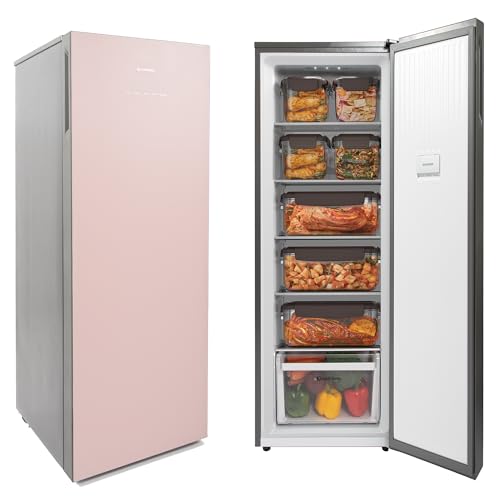
Kimchi Fermentation & Storage Refrigerator - Designed for kimchi fermentation and storage with adjustable temperature control.

Automatic Home Beer Brewer: Covering the full brewing process—from mashing, filtering, boiling, cooling, fermentation, to bottling—this automatic home beer brewer integrates all steps in one unit with up to 99% success. Ideal for beginners and craft lovers

[ONE MACHINE, ENDLESS DRINKS]: Craft beer, wine, cider, mead, kombucha, kefir, hard seltzer, sparkling cocktails, cold brew and far more, all from one countertop machine.
Digital Platforms for Community Engagement

Digital platforms have transformed the landscape of homebrewing by creating vibrant community hubs where enthusiasts can share recipes, techniques, and experiences. These online forums and social media groups facilitate community engagement, allowing homebrewers to connect and seek advice on various brewing challenges. Video channels and blogs dedicated to homebrewing provide visual demonstrations, making complex techniques more accessible. Additionally, the sharing of brewing data and innovations often influences craft breweries, as unique methods and ingredient combinations make their way into larger production. Homebrewing apps enhance this experience by incorporating features like recipe tracking, ensuring brewers maintain consistency and quality. Overall, these platforms greatly enrich the homebrewing community, fostering innovation and collaboration among passionate individuals. Furthermore, wall-mounted mug racks can also serve as a functional decor element for homebrewers, effectively organizing and displaying their favorite mugs while enhancing the kitchen’s aesthetic.
Mobile Apps Streamlining the Brewing Process

Mobile apps are revolutionizing the homebrewing process by offering brewers a suite of powerful tools designed to maximize efficiency and precision. These applications provide real-time tracking of fermentation metrics, allowing users to monitor specific gravity and temperature, ensuring ideal brewing conditions. Inventory management features automatically track ingredients and supplies, notifying brewers when levels dip below established thresholds. Many apps support recipe development through digital simulations, enabling experimentation with various beer styles and flavors tailored to individual preferences. In addition, personalized brewing calendars and reminders streamline the brewing process, enhancing consistency across sessions. By fostering a collaborative environment, these mobile apps encourage users to share recipes and troubleshooting tips, enriching the homebrewing experience through community engagement. Furthermore, integrating features from high-precision sensors can help brewers achieve better control over their brewing process.
Recommended Products

PRECISION TEMPERATURE CONTROL FOR PERFECT FERMENTATION: FermentPro yogurt maker machine maintains a steady 50°F–115°F(10-45 C) range with advanced heating and cooling. Adjust temperature in 5°F steps (°F mode), or hold the temp button for 3 seconds to switch to Celsius for fine 1° increments. Automatic post-fermentation cooling prevents over-fermenting and keeps each batch fresh, balanced, and probiotic-rich. Perfect for 36-hour yogurt making and other fermenting jar applications.

Precision Brewing on a Commercial Scale: The Tilt Pro is specifically engineered for large-scale brewing operations, handling batches up to 20 BBL with exceptional precision. Its ability to measure specific gravity with an accuracy of 0.0001 makes it an indispensable tool not only for commercial and microbreweries but also for advanced homebrewers who demand professional-level accuracy in their brewing processes.

✔ Wood pellet chimney grill made of iron material, durable, high temperature resistance, iron is an ideal material, wood ball chimney barbecue.
E-Commerce and Ingredient Accessibility
E-commerce has transformed the landscape of homebrewing, enabling enthusiasts to access a vast array of ingredients with unprecedented ease. Online platforms such as Shopify and Square empower small breweries to launch successful online stores, expanding their market reach considerably. This digital accessibility enhances ingredient sourcing, allowing homebrewers to find specialty malts, grains, hops, and yeast strains that may not be available locally. The growth of the craft beer movement is bolstered by these digital platforms, where brewers can share recipes and innovative techniques. Additionally, direct-to-consumer channels allow niche breweries to showcase experimental beers, catering to specific consumer interests. This enhanced accessibility supports creativity, enabling homebrewers to explore unique flavor combinations and refine their brewing processes effectively, while also promoting sustainable practices akin to those found in Nespresso’s recycling initiatives.
Recommended Products

Classified as Saccharomyces cerevisiae, a top fermenting yeast.

If you can buy it, why not make it? Taking its flavor cue from one of the most sought after beers in the world, Northy 12 is an amazingly complex treat. Its deep ruby - mahogany hue is the canvas for flavors of raisins, caramel sweetness, and tart dark fruits, as its smooth and luscious body fades into a lingering dry finish.

The Milkshake IPA is a tasty variant of a Hazy New England IPA style. This recipe kit has an amazing depth of flavor: coconut and vanilla, added during fermentation, and tropical notes of pineapple, peach, mango and passionfruit, driven by Galaxy and Mosaic hops coupled with a unique yeast strain. To wrap it all together, lactose, added straight to the boil, produces creaminess and subtle dairy-like sweetness.
Innovations in Brewing Equipment
Innovations in brewing equipment have considerably transformed the homebrewing landscape, allowing enthusiasts to achieve greater precision and control in their brewing processes. Advanced precision fermentation systems offer real-time data on key metrics including pH, gravity, and temperature, enhancing overall brewing accuracy. Smart brewing devices enable homebrewers to monitor fermentation through mobile apps, facilitating real-time adjustments. Automated mash systems maintain specific temperatures and durations for mashing, leading to consistent flavor profiles in craft beer. Additionally, All-in-One (AIO) systems have streamlined the brewing process by integrating several stages into one compact unit, saving space and setup time. Data-driven tools further empower brewers to analyze past performances, refining recipes, and contributing to innovations within the brewing industry for improved batch outcomes. Furthermore, advancements in automatic espresso machines have made it easier for homebrewers to replicate café-quality beverages with minimal effort.
Recommended Products

Fully Automated Brewing System – The BeerDroid brings together the art, craft, and science of brewing in one sleek, fully automated system. Brew 10 liters (2.6 gallons) of pub-quality beer with pre-set programs for ales and lagers, or customize your brew settings. Whether you’re a beginner or an experienced brewer, BeerDroid allows you to craft IPAs, lagers, stouts, and more with ease.

[FERMENTECH CONTROL]: Fully automated smart system with integrated temperature, pressure, and time controls. Features a temperature range of 35°F-104°F and pressure control up to 14 psi, adaptable to any recipe or ingredient.
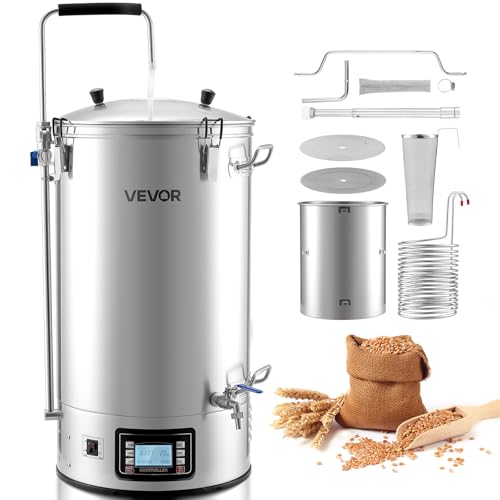
Large Capacity Brewing: This electric brewing system features a 16 gal / 60 L tank with a total brewing volume of 16 gallons. It can mash up to 33.07 lbs of malt per batch—ideal for home gatherings or small commercial use. Brew lager, IPA, ale, porter, or stout for true beer freedom
AI’s Impact on Recipe Generation
As homebrewers seek to elevate their craft, AI has emerged as a transformative tool in recipe generation, offering a fresh avenue for creativity and technical innovation. By analyzing extensive datasets, AI assists in producing unique beer recipes tailored to individual preferences, such as taste, color, and style. Utilizing AI-driven generative design algorithms, brewers can explore multiple recipe options, simplifying complex brewing processes. Additionally, AI offers troubleshooting insights, aiding novice brewers in understanding crafting intricacies. While blind taste tests of AI-generated recipes have yielded mixed outcomes, these creations serve as valuable starting points for refinement. By enabling experimentation with unique flavors and lowering entry barriers, AI considerably enhances the overall homebrewing experience, fostering greater creativity among brewers. Furthermore, the integration of manual brewing methods allows enthusiasts to refine their techniques while leveraging AI’s insights.
Sustainability and Energy Monitoring in Brewing
Sustainability in brewing has become an important consideration for modern breweries, especially as environmental awareness increases. Energy monitoring technologies allow brewers to track energy consumption in real-time, identifying inefficiencies to reduce operational costs. By implementing renewable energy sources, breweries can considerably decrease their carbon footprint while aligning with sustainability goals. Smart brewing systems enhance energy efficiency through advanced automation, optimizing brewing and fermentation processes to minimize waste. Furthermore, precision fermentation lowers energy requirements by using precise data to reduce heating and cooling cycles. Sustainable water management systems, integrated with energy monitoring, also play a vital role by lowering water usage during brewing, effectively addressing both water scarcity and energy consumption challenges that modern breweries face. Additionally, the use of charcoal water filters in brewing can improve beverage quality while promoting sustainability through reduced plastic waste.
Frequently Asked Questions
What Are the Best Beginner Home Brewing Kits Available Today?
The best kits for beginners include essential equipment like fermenters and bottles, while offering beginner tips on recipe selection and simplifying the brewing process. Popular options feature user-friendly setups suitable for novice home brewers.
How Can I Troubleshoot Common Home Brewing Problems?
Over 50% of home brewers encounter fermentation issues. Troubleshooting involves ensuring equipment cleanliness, verifying ingredient quality, maintaining proper temperature control, and making timely recipe adjustments to achieve desired results in brewing operations.
What Regulatory Considerations Should I Know for Home Brewing?
Home brewers should consider licensing requirements, ingredient regulations, and alcohol limits defined by state laws. Additionally, they must be aware of potential health inspections, ensuring compliance to avoid legal issues while enjoying their brewing hobby.
Can Home Brewing Be Done on a Budget?
In a garden of creativity, home brewing can flourish even on a budget. Affordable equipment, budget recipes, cost-saving tips, and DIY supplies are seeds that sprout joy, sprucing up the brewing experience with smart shopping.
What Are the Most Popular Beers Brewed by Home Enthusiasts?
Home enthusiasts frequently brew popular styles such as hoppy ales, various stout variations, invigorating wheat beers, and seasonal brews, with IPA styles being particularly favored for their diverse flavor profiles and brewing challenges.