As an Amazon Associate, we earn from qualifying purchases. Some links on this site are affiliate links at no extra cost to you. Our recommendations are based on thorough research and editorial judgment.

How Coffee Pods Work: From Sealing to Brewing

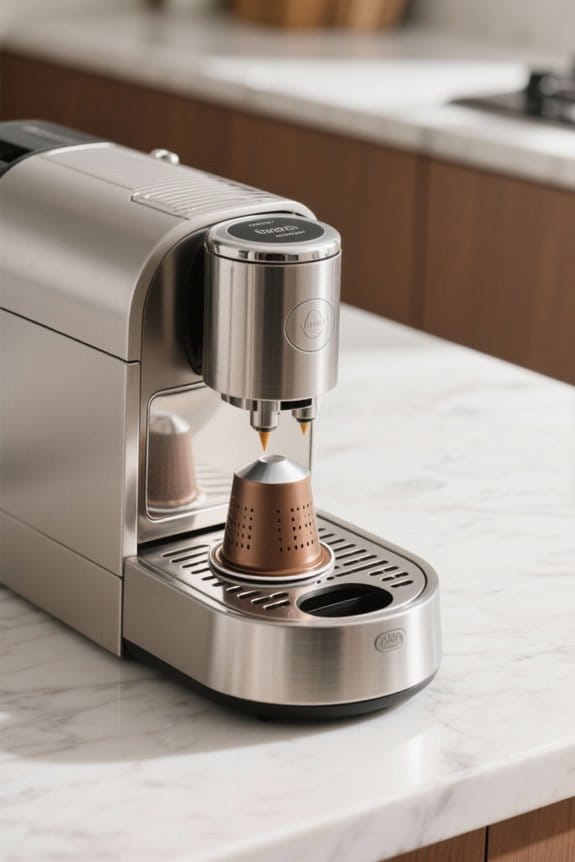
Coffee pods consist of pre-measured ground coffee sealed within aluminum or biodegradable casings. This sealing process is critical for freshness, preventing air exposure and maintaining flavor integrity. When brewed, machines apply approximately 9 bars of pressure, forcing hot water (between 90°C and 96°C) through the pods. This extraction, influenced by grind size and coffee dose, guarantees a clean cup. Advanced filtration enhances flavor by removing impurities. There’s much more to explore about pod types and sustainability efforts.
Key Takeaways
- Coffee pods are single-serving packages containing pre-measured ground coffee, sealed to maintain freshness and flavor integrity.
- The sealing process prevents air and moisture exposure, using durable materials and advanced technology to ensure quality.
- Brewing machines pierce the pod and use high pressure and controlled temperature to extract flavor from the coffee grounds.
- Water flows through an internal filter that retains coffee grounds while enhancing flavor by removing impurities.
- Sustainability measures include using biodegradable materials and promoting recycling initiatives to minimize the environmental impact of coffee pods.
The Structure of Coffee Pods
You may be interested



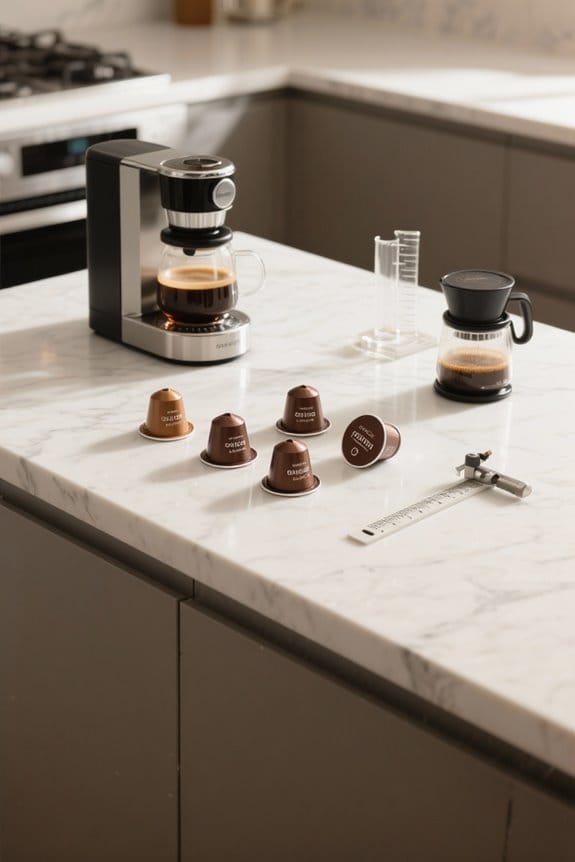
Coffee pods are innovative, single-serving packages designed for convenient coffee brewing. Each pod contains pre-measured ground coffee, allowing for consistency in flavor and strength. The structure includes an outer casing that may be made of materials such as aluminum or biodegradable paper. This casing encases an internal filter, which separates the coffee from the brewing liquid. A sealed lid guarantees freshness and prevents exposure to air. When used in compatible brewing machines, hot water is forced through the pod under pressure, enhancing extraction methods. This process effectively extracts the coffee’s rich flavors and aromas, creating a satisfying cup. The grind size and coffee dose within the pod are tailored for superior results, benefiting the brewing experience. The use of reusable K-Cups is becoming increasingly popular among coffee enthusiasts seeking both sustainability and customization in their brewing process.
Recommended Products
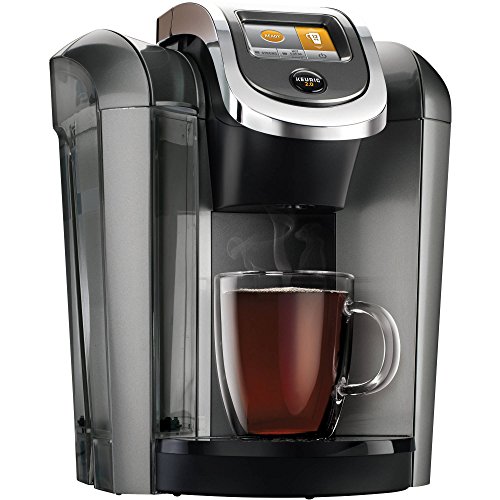
This refurbished product is tested and certified to look and work like new. The refurbishing process includes functionality testing, basic cleaning, inspection, and repackaging. The product ships with all relevant accessories, and may arrive in a generic box

Premium Single-Serve Brewing: The Keurig K525 Plus Series brewer delivers consistently delicious coffee, tea, hot cocoa, and specialty beverages at the touch of a button, offering convenient single-serve brewing for your busy lifestyle

Keurig K75 Single-Cup Home-Brewing System with Water Filter Kit, Platinum
The Sealing Process and Its Importance
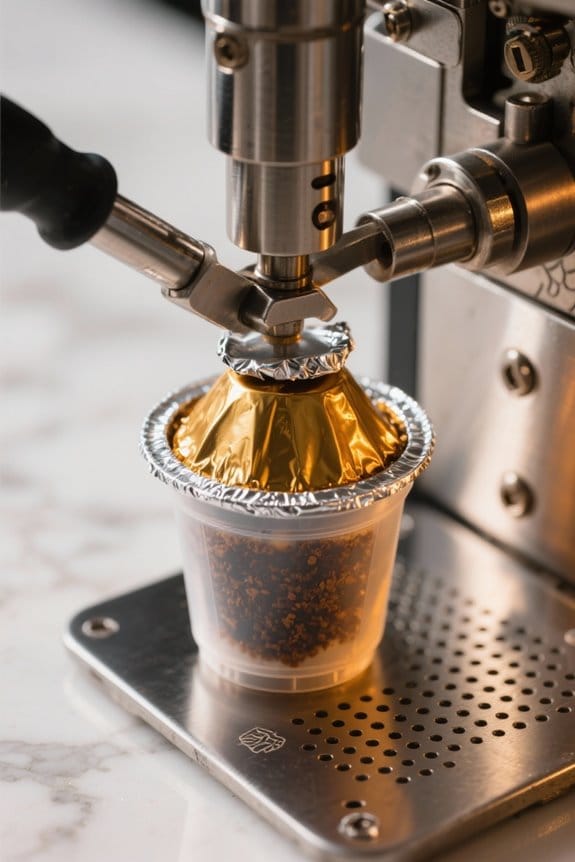
The sealing process in coffee pod manufacturing is crucial for maintaining the freshness and flavor of the ground coffee contained within. This process involves applying a tightly fitted lid to each capsule, guaranteeing that no air can compromise the integrity of the coffee. Proper sealing technology prevents leakage during brewing while preserving the nitrogen flushing environment that extends capsule shelf life. Advanced techniques utilize durable materials like ductile metals and viscous compositions to provide a robust seal. Inconsistent seals can adversely affect the quality of coffee, leading to variations in brewing and ultimately the flavor profile. High-quality sealing machinery is essential for achieving consistent production, meeting market demands by minimizing defects and maximizing flavor preservation. Brands that use 100% Arabica beans ensure a premium coffee experience, further highlighting the importance of effective sealing in preserving the quality of the coffee.
Recommended Products
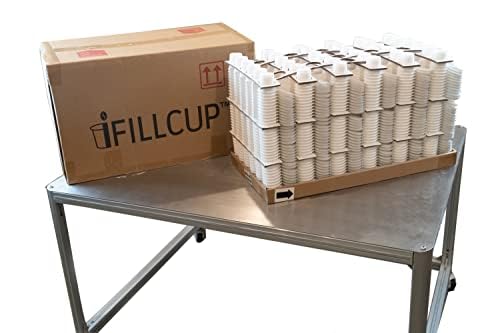
Finally, You Can Brew Coffeehouse Quality in Your K Cup Brewer - Our patented ultrafine DeepBrew filter in iFillCup is designed to hold up to 50% more coffee as well as to make sediment-free and insanely rich brew, which is not possible with any other reusable filter. It has been selected by hundreds of artisan roasters and won numerous Gold medals in the prestigious Golden Bean competitions worldwide. With 50% more coffee in a pod, you can now brew two 8-oz cups or one large 16-oz mug to last through your morning commute.
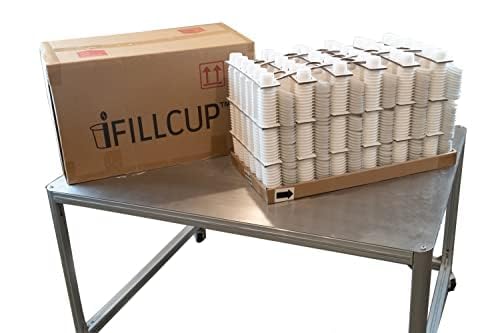
Finally, You Can Brew Coffeehouse Quality in Your K Cup Brewers - iFillCup has been selected by hundreds of premiere coffee roasters worldwide and won multipe Gold medals in GoldenBean competitions (see videos). Its patented DeepBrew filter allows you to fill up to 50% more coffee and make insanely rich brew, not possible with any other pods.

H2o Labs rated as the BEST OVERALL Home Water Distiller in its class. Rigorously tested and evaluated for dependability, ease of operation and maintenance, design, functionality, quality, economy, warranty, technical and customer support and customer satisfaction. (Visit H2oLabs.com for comparisons to other brands.)
How Brewing Machines Extract Flavor
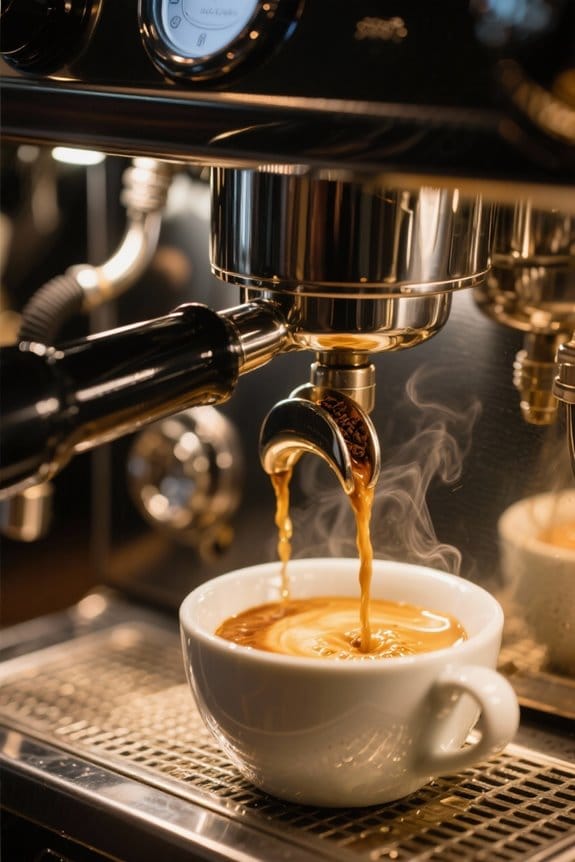
To extract ideal flavor from coffee pods, brewing machines employ a combination of high pressure and precise temperature control. Typically, these machines operate at around 9 bars of pressure, forcing hot water through the coffee pods and enhancing the extraction of aromatic compounds and oils. The water temperature is meticulously maintained between 90°C and 96°C (194°F to 205°F), optimizing flavor profile and extracting essential oils. Some automated brewing systems utilize centrifugal force to intensify the brew’s richness. Moreover, each coffee pod features an internal filter that permits water flow while retaining grounds, ensuring a clean cup. These systems adjust brew time and water volume based on the pod’s specific design, ensuring consistency across various coffee offerings. Additionally, the choice of quality materials in reusable K-Cups can significantly influence flavor retention and enhancement.
Recommended Products
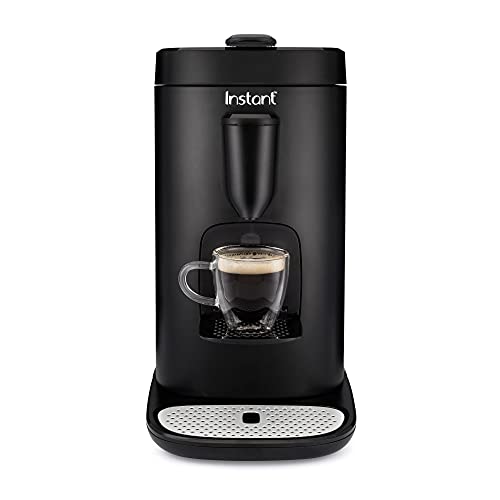
Compatible with all single-serve K-Cups, generic universal reusable K-Cups, and original Nespresso-style capsules

Brew Options: Brews hot coffee or tea over ice with the 6 oz. STRONG setting for a bolder cup that can hold up to ice melt.

Note: 1)Too coarse a grind, too little coffee, or insufficiently tamping the grounds before brewing can all lead to inadequate pressure for a proper brew. 2)It is important to note that the amount of espresso extracted will vary depending on the grind size and amount and reprogramming may be needed when the size and amount are adjusted
The Brewing Process Explained
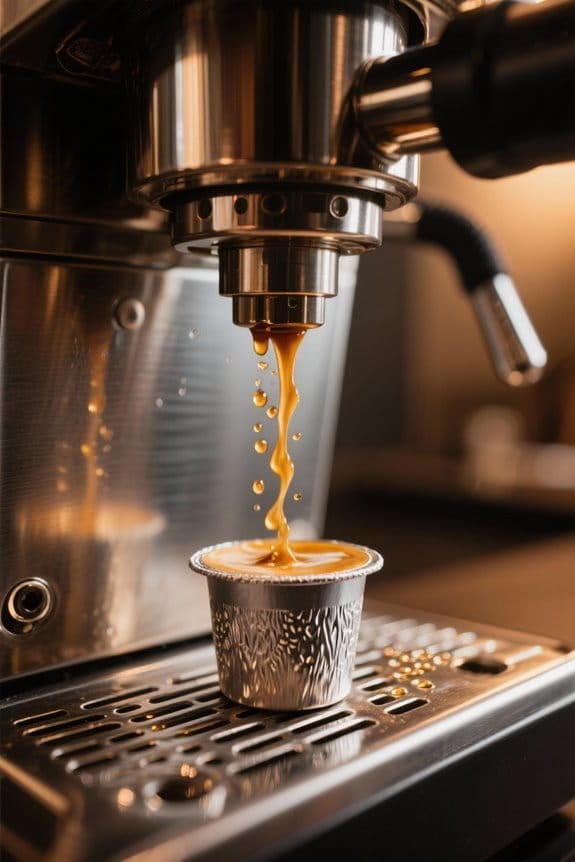
Beginning with the placement of the coffee pod, the brewing process unfolds in a series of carefully controlled steps. The coffee pod is pierced, allowing hot water to flow through. Water is heated to an ideal temperature and then forced through the pod under pressure. This method facilitates efficient extraction of flavors and aromas. The extraction process is influenced by the grind size and coffee dose within the pod, ensuring a well-balanced brew. Sealed pods, often nitrogen-flushed, maintain coffee freshness by preventing oxidation before brewing. Typically, each pod contains around 60mg of caffeine, depending on the coffee type used. Additionally, using filters can enhance the flavor of the brew by removing impurities such as chlorine and odors. Ultimately, this precise brewing process enhances the overall coffee experience delivered by espresso machines.
Types of Coffee Pods and Their Compatibility
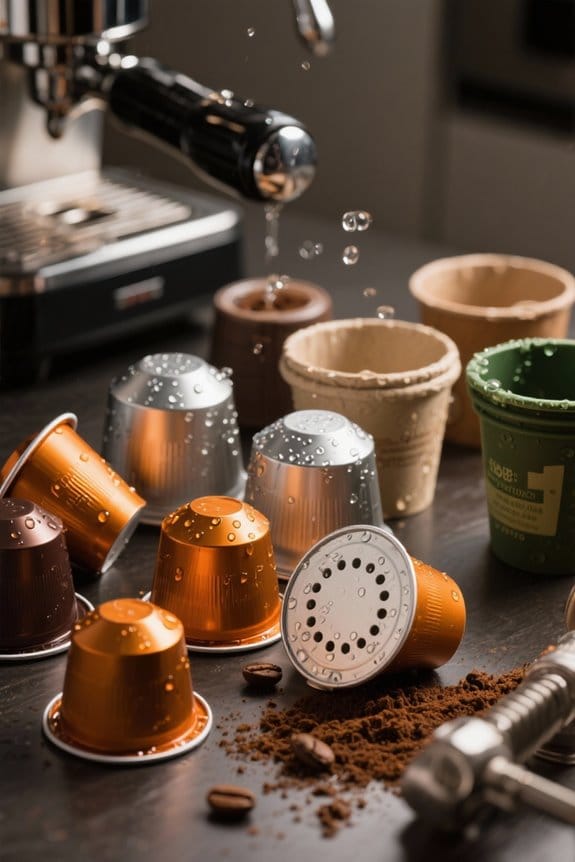
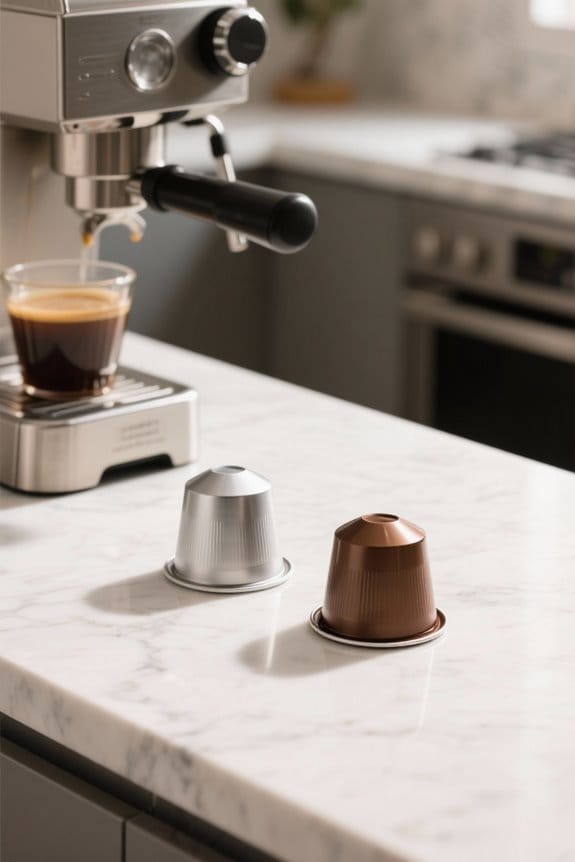
When exploring the variety of coffee pods available, compatibility with specific single-serve machines becomes an essential factor for consumers. Coffee pods, designed for systems like Nespresso Original or TASSIMO T-Discs, have unique geometries that determine their fit and function. Each pod type consists of coffee grounds, an internal filter, an outer casing, and a sealed lid, tailored for specific brewing methods. Additionally, reusable stainless-steel pods offer a flexible alternative for those wanting to use their own coffee, reducing waste. Compostable pods are increasingly offered, aiming to lessen environmental impact while still being compatible with machines. Understanding these differences guarantees that consumers select the right coffee capsules for their single-serve machines, enhancing their coffee experience. Furthermore, opting for reusable K-Cups can significantly reduce waste and promote eco-friendly coffee consumption.
Sustainability Considerations for Coffee Pods
Over 60 billion coffee pods were consumed globally in 2022, highlighting the urgent need for sustainable practices within the industry. Many manufacturers are turning to biodegradable and certified compostable materials, which greatly reduce landfill waste. Brands like Origin focus on home-compostable designs, allowing consumers to add used pods to garden compost, thereby promoting organic waste recycling. The environmental impact of traditional plastic pods is considerable, prompting a shift toward recyclable and compostable alternatives. Innovative sealing technologies and sustainable materials in production have been adopted to minimize ecological footprints while ensuring high-quality coffee. Additionally, initiatives like the Podback recycling scheme in the UK encourage consumers to return used pods, supporting a circular economy and improving overall recycling rates. Furthermore, many brands emphasize eco-friendly coffee solutions, aligning their practices with consumer demand for sustainability.
Frequently Asked Questions
How Are Coffee Pods Sealed?
Coffee pod sealing employs vacuum seal technology with materials like aluminum composites, ensuring freshness preservation and brewing consistency. Quality control minimizes environmental impact, enhancing user convenience and cost effectiveness in a competitive market.
What Is the Startling Truth About K Cups?
K-Cups embody modern convenience, yet they reveal a disquieting environmental impact. Despite cost efficiency and marketing allure, the flavor difference and recycling challenges prompt consumers to reconsider brewing methods, sparking interest in greener alternatives amid brand comparisons.
How Do Coffee Pods Work?
Coffee pods streamline the brewing process with specific designs for single-serve systems, enhancing flavor extraction and convenience. Their environmental impact varies by type, affecting cost comparison and user experience while preserving coffee freshness.
How Many Times Can K Cup Pods Be Used?
K-Cup pods, ironically designed for single use, typically degrade in flavor and brewing quality after one cycle; users chase cost efficiency and flavor retention, yet contribute to packaging waste and environmental impact with disposal methods.