As an Amazon Associate, we earn from qualifying purchases. Some links on this site are affiliate links at no extra cost to you. Our recommendations are based on thorough research and editorial judgment.

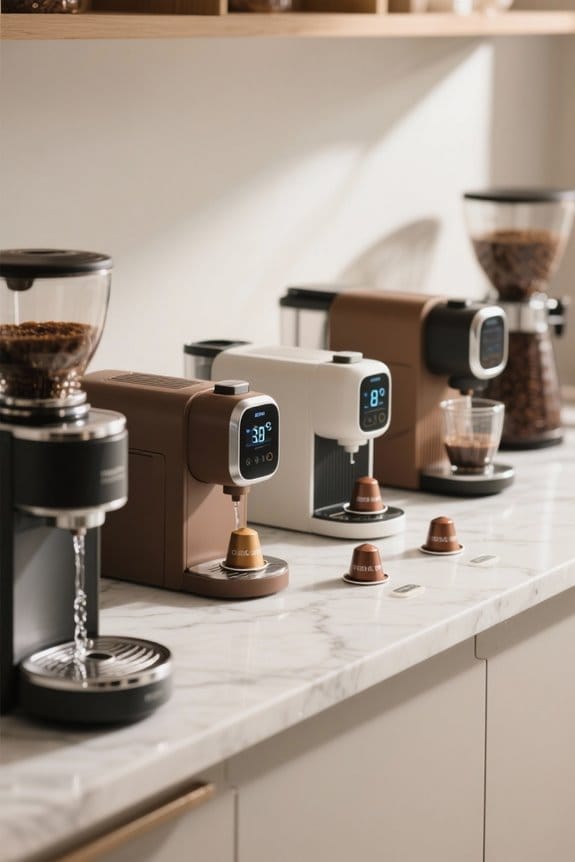
Comparing Water Temperatures in Pod Brewing Systems

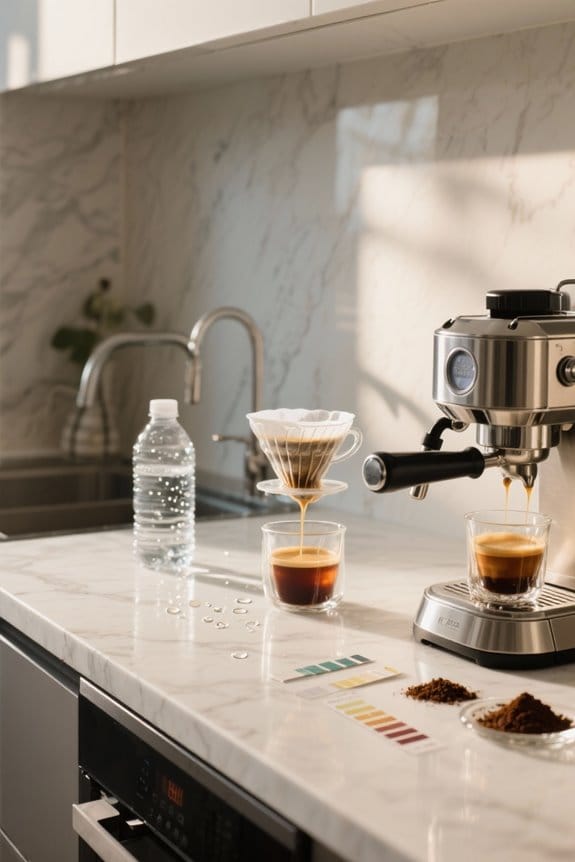
Water temperature is essential in pod brewing systems, ideally maintained between 91°C and 96°C. This range enables efficient extraction of oils, acids, and aromatic compounds, directly influencing flavor. Lighter roasts often require higher temperatures of 94-96°C, while darker roasts perform best at 90-92°C to avoid bitterness. Advanced machines feature precise temperature control technologies, addressing thermal challenges during brewing. Exploring the differences in these systems reveals significant impacts on coffee quality and overall brewing experience.
Key Takeaways
- Pod brewing systems perform best with water temperatures ranging from 91°C to 96°C (195°F to 205°F) for optimal flavor extraction.
- Lighter roasts benefit from higher brewing temperatures between 94-96°C, while darker roasts are best brewed at 90-92°C to prevent bitterness.
- Compact designs in pod systems can lead to significant temperature drops of 8-12°C during brewing, affecting extraction quality.
- Advanced technologies like PID-based controls and integrated heating systems help maintain consistent temperatures throughout the brewing process.
- Regular maintenance and temperature adjustments based on pod types are essential for achieving optimal flavor extraction in pod brewing systems.
The Importance of Water Temperature in Coffee Extraction
You may be interested



Water temperature plays a pivotal role in coffee extraction, with ideal temperatures ranging between 91°C and 96°C (195°F to 205°F) recognized as essential for maximizing flavor profiles. This precise brewing temperature is critical for extracting oils, acids, and aromatic compounds during the extraction process. If the water temperature drops considerably, by 8-12°C, from the heating element to the coffee pod, it can negatively impact flavor extraction, resulting in a less robust coffee. Furthermore, higher brewing temperatures can accelerate the extraction process, but they must be monitored to prevent undesirable bitter compounds from being released. Maintaining the best water temperature for brewing promotes consistency in flavor, particularly for lighter roasts that require these higher temperatures for effective extraction. Additionally, using an oat milk creamer can enhance the overall taste and texture of your coffee, providing a creamy experience that complements the carefully extracted flavors.
Optimal Temperature Ranges for Different Brewing Methods

Various brewing methods employ distinct ideal temperature ranges to achieve the best coffee extraction, each tailored to specific flavor profiles and roast types. In coffee pod systems, the best temperature range lies between 91-96°C (196-205°F). For lighter roasts, higher brewing temperatures around 94-96°C are recommended to enhance flavor extraction. In contrast, darker roasts are best brewed at lower temperatures of 90-92°C to avoid over-extraction. Thermal losses during brewing can contribute to a temperature drop of 8-12°C (14-22°F) from the heating element to the pod, affecting final brewing temperatures. To mitigate these losses, advanced coffee pod systems incorporate intelligent temperature control to maintain consistent conditions, ensuring optimal extraction throughout the 20-30 second brewing cycle. Additionally, models like the K-Supreme utilize customizable brewing options to enhance flavor strength and temperature.
Recommended Products

FULLY CUSTOMIZABLE DRINKS - This fully automatic espresso machine offers over 100,000 drink combinations, giving you complete control to create your perfect brew every time. With the ability to froth all milk types, from dairy to plant-based, this automatic coffee machine is as versatile as your taste, making it an excellent choice for Valentine's gifts for him.

Styled to impress, this coffee maker offers the features that everyone will value.Filter type:Reusable TOUCH SCREEN INTERFACE: An advanced full color touchscreen interface with adjustable brew temperature and programmable auto On/Off settings. POUR OVER WATER RESERVOIR: With a 90 oz., easy to fill, removable Water Reservoir, you can make up to 18 cups before refilling. Full color LCD touchscreen.
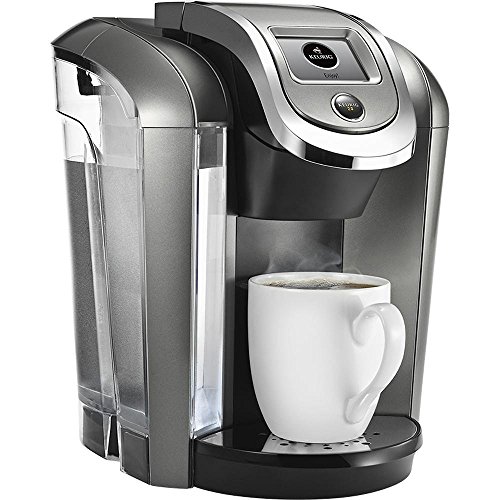
Revolutionary Keurig 2.0 Brewing Technology, Hundreds of varieties from the brands you love
How Pod Brewing Systems Maintain Temperature Consistency
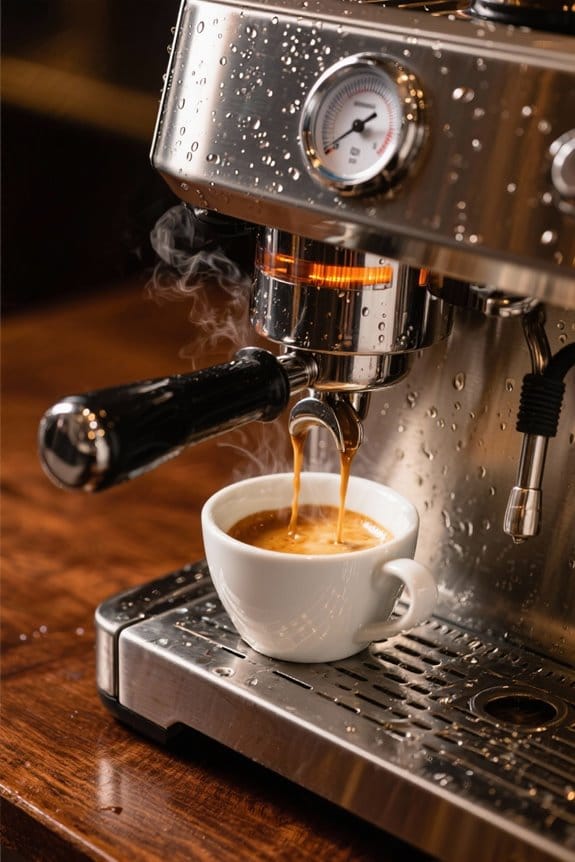
To guarantee consistent temperature during the brewing process, pod brewing systems utilize a combination of advanced technology and design features. These systems often incorporate integrated heating and temperature control mechanisms that reduce thermal losses throughout the 20-30 second brewing cycle. Typically, pod machines maintain water temperatures in the ideal range of 91-96°C, achieved through intelligent temperature regulation techniques. Sensor-driven controls help mitigate the common initial temperature drops of 8-12°C that occur from the heating element to the coffee pod. Additionally, the water separation assembly plays an essential role in preventing further temperature drops, thereby enhancing extraction efficiency. Precision-controlled brewing heads further allow customization of brewing parameters, contributing to a consistent flavor across various coffee makers and pod types. This consistency is essential for achieving optimal coffee quality, similar to how Nespresso Aeroccino models provide multiple foam styles for enhanced beverage enjoyment.
Recommended Products

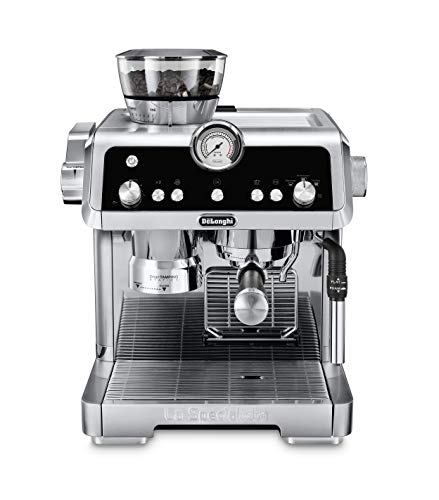
Designed with an ultra-compact 7.5" wide footprint that seamlessly fits into small kitchens, studio apartments, office break rooms, or any countertop where space is at a premium, while still delivering full-size café performance
Please refer to user guide or user manual or user guide (provided below in PDF) before first use

Always ready and brews in under a minute
Thermal Challenges Faced by Coffee Pod Machines

Pod brewing systems face significant thermal challenges that impact the overall quality of brewed coffee. During the brewing process, water temperatures can drop by 8-12°C from the heating element to the pod, which negatively affects extraction quality. As brewing cycles last only 20-30 seconds, additional thermal losses may occur, further compromising the flavor. Ideal brewing temperatures for coffee extraction range between 91-96°C, essential for proper flavor development. However, compact machine designs and rapid brewing cycles hinder the ability to maintain consistent water temperature. Such variations during brewing can directly influence extraction efficiency, leading to inconsistencies in flavor. Addressing these thermal challenges requires careful design consideration to enhance the coffee brewing experience, particularly by incorporating PID systems for better temperature stability.
Recommended Products

3 MACHINES IN 1: Brew without limits with no guesswork espresso, well-balanced drip coffee, and rapid cold brew. 2 Espresso Styles — double shot or quad shot, 3 Drip Coffee Styles—classic, rich or over ice, and 2 Cold Brew styles— cold pressed espresso or cold brew coffee (drip coffee and cold brew available in 6, 8, 10, 12, 14, 16, 18 oz. sizes).

Premium Single-Serve Brewing: The Keurig K525 Plus Series brewer delivers consistently delicious coffee, tea, hot cocoa, and specialty beverages at the touch of a button, offering convenient single-serve brewing for your busy lifestyle

1. Three Levels of Automation for Any Skill Level: Choose from Autopilot, Copilot, or Free Solo mode. Autopilot handles the entire brewing process automatically. Copilot provides step-by-step guidance. Free Solo gives you full manual control. This coffee machine works for beginners and professional baristas alike.
Advanced Temperature Control Technologies in Brewing
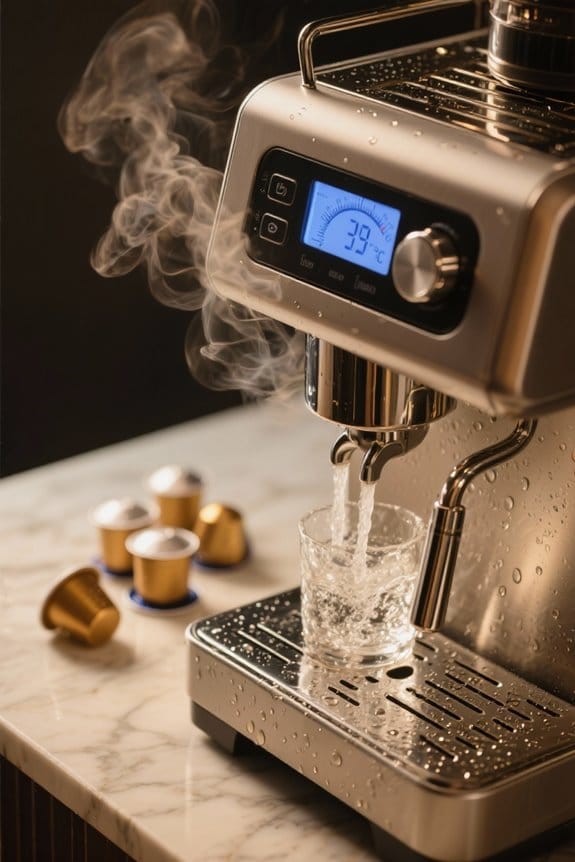
Incorporating advanced temperature control technologies greatly enhances the brewing experience by ensuring perfect extraction conditions in coffee pod systems. These systems utilize precision-controlled brewing heads to maintain ideal extraction temperatures between 91-96°C, compensating for thermal losses. Integrated components, including temperature sensors and control panels, facilitate dynamic water temperature adjustment based on real-time readings. This intelligent design leverages sensor-driven controls to customize extraction parameters for each coffee type, ensuring consistent quality. In-line heating mechanisms enable rapid adjustments to the water temperature, preserving heat throughout the brewing process. Additional features like a water separation assembly effectively minimize temperature drops, thereby supporting the compact designs and rapid brewing cycles that are common in pod systems, enhancing overall flavor consistency. The focus on medium grind coffee is also essential for achieving optimal brewing results, as it prevents clogging and ensures a rich flavor profile.
Impact of Temperature on Coffee Flavor Profiles
Temperature plays a pivotal role in shaping coffee flavor profiles, particularly in brewing systems. Ideal brewing temperatures range from 91-96°C, impacting the extraction of oils, acids, and caffeine. Water temperature can drop by 8-12°C between the heating element and coffee pod, leading to inconsistencies in flavor. Higher brewing temperatures accelerate extraction but risk over-extraction, producing bitterness. Conversely, lower temperatures may cause under-extraction, resulting in sourness. The slurry’s temperature often sits 10-15°C below kettle temperature, greatly affecting coffee body and taste. As a result, precise temperature control in pod brewing systems is essential. Even small adjustments in brewing temperatures can yield noticeable differences in coffee flavor profiles, underscoring the importance of maintaining consistent and accurate heating practices. Additionally, the grind size of coffee beans can also influence extraction rates, highlighting the interconnectedness of brewing variables.
Comparing Entry-Level vs. High-End Pod Machines
When evaluating the capabilities of coffee brewing machines, a marked disparity exists between entry-level and high-end models. Entry-level machines often experience a significant water temperature drop of 8-12°C from the heating element to the pod, adversely affecting extraction efficiency and brew quality. In contrast, high-end pod machines integrate advanced heating systems that maintain stable water temperatures between 91-96°C. These models feature precise temperature control and sensor-driven adjustments that enhance flavor consistency. While entry-level machines may struggle during their brief brewing cycles, high-end systems prevent thermal losses throughout the process. Overall, the differences in water temperature management greatly influence the overall coffee flavor, aroma, and extraction efficiency, underscoring the importance of investing in superior technology. Additionally, high-end machines often provide customizable settings that allow users to tailor their brewing experience to personal preferences.
Recommended Products

BOTTLELESS WATER COOLER: The Drinkpod 2000 Series high-end bottleless water cooler connects to a water source that will supply a steady stream of delicious water with instant chilled or hot water for all your office family needs.
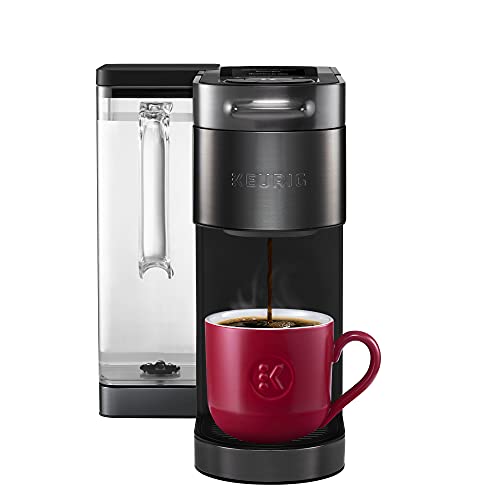
BREWID: Recognizes your K-Cup pod and customizes the brew settings to make each cup perfectly delicious

MULTISTREAM TECHNOLOGY: Extracts more flavor and aroma* in every brew. *vs. Keurig leading K-Classic brewer with The Original Donut Shop Coffee K-Cup pod
Innovations in Temperature Regulation for Coffee Machines
How do modern innovations enhance the temperature regulation of coffee machines? Recent advancements in coffee brewing technology focus on maintaining ideal water temperatures, typically between 91-96°C, throughout the brewing cycle. Integrated heating systems and adjustable temperature features allow users to customize their brewing experience. Intelligent temperature regulation techniques employ sensor-driven controls, ensuring stable water temperature during brewing for better extraction efficiency. Additionally, advanced heat exchange mechanisms refine flavor profiles while reducing bitterness, adapting to different coffee types. Capsule processing technology enhances heat retention and compensates for temperature loss after extraction. Finally, mobile systems utilizing PID-based temperature control automatically adjust water temperatures based on user patterns, resulting in an expertly brewed cup tailored to individual preferences. Furthermore, high pressure ensures rich and flavorful brews, enhancing the overall coffee experience.
User Tips for Achieving the Best Brew With Pod Systems
Achieving the best brew with pod systems involves understanding essential aspects of brewing dynamics. First, proper maintenance, including descaling, preserves efficient heating components and guarantees consistent water temperature. Aim for a starting water temperature between 91-96°C during brewing, as this temperature range enhances extraction. For ideal flavor, adjust brew time and temperature according to the coffee pod type; lighter roasts perform better at the higher end of this range. Utilizing machines with integrated heating systems allows real-time temperature regulation, improving flavor consistency. Regular checks on water temperature help prevent drops of 8-12°C, which can negatively impact the final brew. For those looking for espresso-like results, consider investing in a reliable Espresso Machine with precise control options. Using refillable Keurig pods can also enhance your brewing experience by allowing you to select fresh coffee grounds tailored to your taste preferences.
Recommended Products
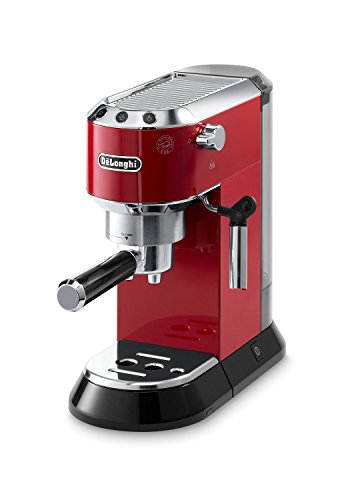
Manual Cappuccino System Thermo Block Technology Automatic Flow Stop Maximum cup height : 3.14 inches
Future Trends in Coffee Brewing Temperature Management
What advancements are shaping the future of coffee brewing temperature management? Future brewing systems are increasingly using intelligent temperature regulation techniques to maintain ideal temperatures for brewing coffee, specifically between 91-96°C. Advanced PID-based temperature control systems will automate real-time adjustments based on drink type and frequency, enhancing flavor consistency. New heat exchange systems offer the ability to dynamically control water temperature, improving extraction efficiency while reducing bitterness for various coffee varieties. Additionally, innovations in capsule processing and thermal management minimize temperature variations from water preparation to the final brew. As coffee lovers seek personalization, the demand for machines with precise control over water temperature and customization settings is expected to rise, aligning with evolving consumer preferences in brewing methods.
Frequently Asked Questions
What Is the Best Water Temperature for Coffee Brewing?
The ideal brewing temperature, ranging from 91°C to 96°C, greatly impacts flavor extraction. Comparisons of brewing methods highlight the importance of temperature consistency for maximizing coffee extraction rates and achieving desired taste profiles.
How Hot Is the Water That Comes Out of a Keurig?
The Keurig water temperature typically ranges from 190°F to 205°F, ensuring brewing consistency and ideal coffee extraction. This temperature control aligns with consumer preferences for flavorful coffee, despite potential thermal losses during the brewing process.
Is 212 Too Hot for Black Tea?
Is 212°F too hot for black tea? While it maximizes flavor extraction for some tea varieties, many brewing techniques suggest slightly cooler temperatures to avoid astringency, optimizing the steeping process and water quality for enhanced enjoyment.
Is 212 Too Hot for Pour Over?
Pour over techniques indicate that 212°F is too hot for best coffee flavor. Ideal extraction requires precise temperature control, usually between 195°F to 205°F, along with careful attention to water source and brew time.