As an Amazon Associate, we earn from qualifying purchases. Some links on this site are affiliate links at no extra cost to you. Our recommendations are based on thorough research and editorial judgment.


How Capsule Machines Heat and Pressurize Water

Capsule machines heat and pressurize water to enhance beverage quality through precise technology. They utilize heating elements that rapidly raise water temperature to 88-96°C, with minimal thermal loss. Pumps generate up to 12 bars of pressure, essential for ideal flavor extraction. Advanced monitoring systems regulate temperature and flow rates to maintain consistency. This combination of high temperature and pressure results in rich, aromatic beverages. Further insights into their functionality and future advancements offer an all-encompassing view of this brewing technology.
Key Takeaways
- Capsule machines use a heating element rated at around 1550 watts to heat water quickly to 88-96°C (190-205°F) for brewing.
- A powerful pump generates up to 12 bars of pressure, crucial for optimal flavor extraction and crema formation in the espresso.
- Advanced thermal management systems minimize temperature drops during water movement to ensure consistent brewing quality and flavor.
- Temperature sensors and control panels allow for precise adjustments of water flow rates and thermal regulation, enhancing extraction efficiency.
- Regular calibration of heating and pumping systems is necessary to maintain optimal water temperature and pressurization for quality coffee extraction.
Understanding Capsule Machines
You may be interested



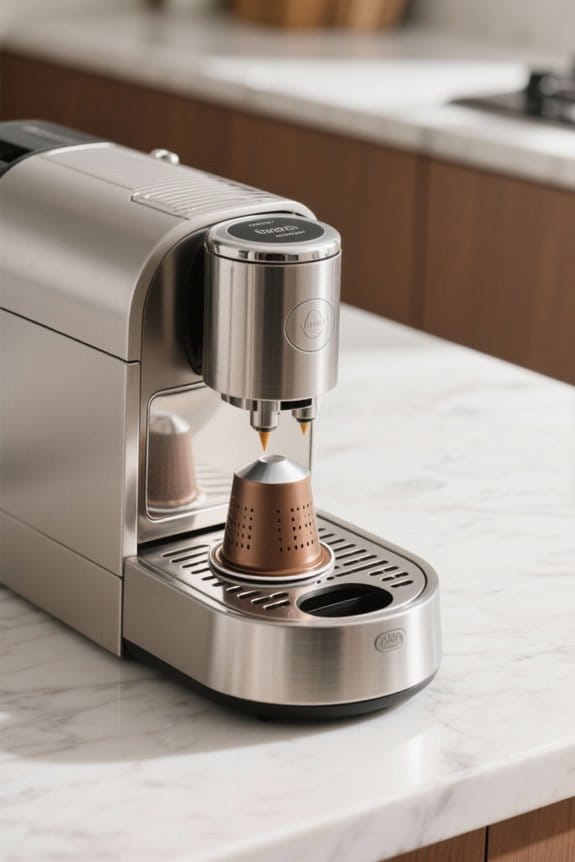
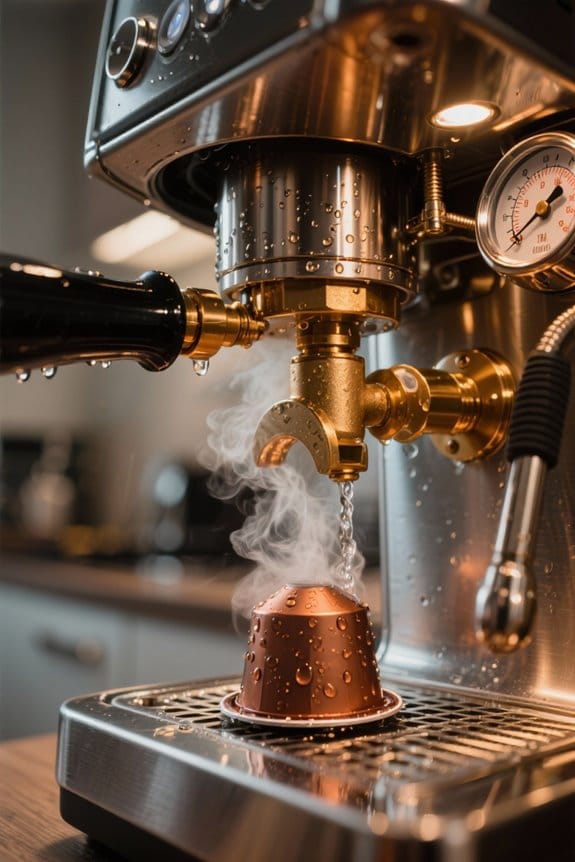
Understanding capsule machines is essential for appreciating their efficiency in coffee brewing. These machines employ a heating element that rapidly raises water temperature to ideal levels, typically between 88-96°C (190-205°F). This precise range is critical for effective coffee extraction. Pressurization within the brewing system is achieved through a pump generating up to 12 bars of pressure, forcing water through the coffee pod to extract maximum flavor. Many capsule machines utilize advanced thermal management systems, ensuring minimal temperature drop during the rapid brewing process. Temperature sensors and control panels work together to maintain consistent heat and adjust flow rates tailored to specific capsule types, resulting in high-quality brews. This integration of advanced technology greatly enhances the overall brewing experience. Additionally, the high pressure generated by these machines is key to producing rich and flavorful espresso, akin to that from traditional espresso machines.
The Heating Process in Capsule Machines
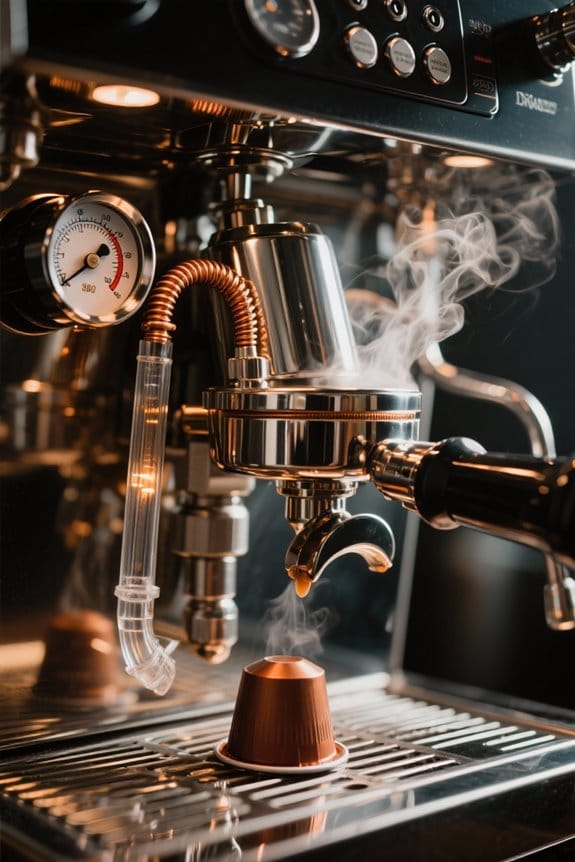
The heating process in capsule machines is a crucial element that influences the quality of the brewed coffee. Each machine features a built-in heating element rated at approximately 1550 watts, rapidly heating water to ideal brewing temperatures between 88-96°C (190-205°F). Water is stored in a tank, then pumped through the system, flowing past the heating element to minimize thermal loss. However, the average temperature drop from the heating element to the coffee capsule can reach 8-12°C. To counteract this, advanced temperature control systems regulate water temperature during brewing. Additionally, high-pressure systems, often reaching up to 12 bars, force the heated water through the coffee capsules, enhancing extraction and delivering rich, flavorful coffee results. This process aligns with the use of micro-mesh technology, which ensures better flavor retention compared to disposable options.
Recommended Products

5000 Watt. 1 Phase. 208V

Efficient Heating: Immersion heating element designed for commercial steam tables, providing reliable and consistent heat distribution.

With 3-Wire Electrical Locking Plug (L6-30) , grounded for your safety
How Water Is Pressurized

Water pressurization in capsule machines is an essential process that greatly impacts coffee extraction quality. These machines utilize a water pump that generates approximately 12 bars of pressure, allowing heated water to forcefully extract flavors from coffee grounds during the brewing process. This pressurization enhances extraction efficiency and supports rich flavor development in a short time frame. High pressure minimizes the duration that water interacts with the coffee, vital for preserving taste and aroma. Precision-engineered pumps maintain consistent pressure levels, ensuring each cup brewed meets quality standards. Additionally, proper pressurization contributes to crema formation in espresso-style brews, which signifies good extraction and quality. Ultimately, this careful balanced pressure and temperature optimize overall beverage consistency. Furthermore, using reusable pods can enhance the flavor profile of your coffee by allowing for the use of fresh, customizable coffee grounds.
Recommended Products
Fast Ice Making: Experience the convenience of our Ice Machine Commercial Ice Maker Machine, which produces 162 PCS ice per cycle in just 10-15 minutes, ensuring you have a continuous provide of ice for any occasion

【EFFICIENT ICE MAKING & LARGE STORAGE】-The Professional Commercial Ice Maker operates with an efficient powerful compressor for rapid ice making, which can quickly produce up to 550lbs of pure ice cubes in 24h (each cycle of ice-making takes about 11-15min) with its large ice tray (19*8pcs). A large storage capacity of 185lbs makes this ice maker perfect for bars, restaurants, hotels, etc., ensuring a surplus of ice for any occasion.

❄【Smart LCD Panel】Our commercial ice maker machine is equipped with a multi-function LCD panel, smart and easy to operate. A variety of functions to meet your needs of the ice machine, such as: Ice Full Reminder, Ice Cube Thickness Option, Timer, Water Shortage Reminder, Auto-clean, etc.
Optimal Brewing Temperature

Achieving the ideal brewing temperature is essential for producing high-quality coffee from capsule machines. The best brewing temperature for these machines typically ranges from 88 to 96°C (190 to 205°F). This temperature range is vital for properly extracting the flavor and aroma from coffee grounds. Capsule coffee machines utilize advanced heating elements to maintain consistent temperatures during brewing, minimizing thermal losses which can reach 8-12°C within the 20-30 second cycle. High-pressure systems, often at about 12 bars, force hot water through the coffee pod, enhancing extraction efficiency. Some models, like the Nespresso machine, feature precise control systems that adjust heating based on sensor readings, ensuring ideal temperature maintenance throughout the extraction process for superior taste. Additionally, the use of K-Cup format allows for a variety of flavors that can be brewed at optimal temperatures for the best coffee experience.
Recommended Products

ONE TOUCH: Prepare 15 barista quality specialties including espresso, coffee, cappuccino, flat white and latte macchiato at the touch of a button.Filter type:Reusable

THERMOBLOCK SYSTEM: The heating system with thermoblock guarantees a higher preparation speed for machine use and precise water temperature control for coffee dispensing
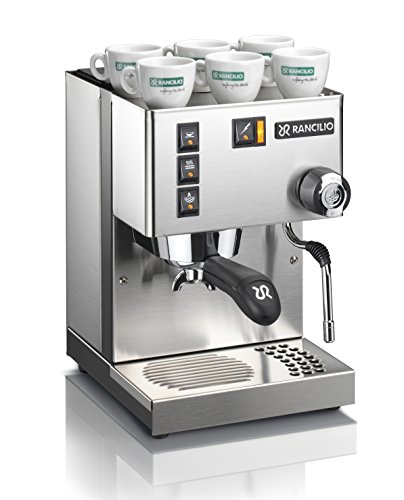
Ergonomic porta filter handle same as the proven design of Rancilio commercial machines
Role of Heating Elements

Heating elements serve as the core component in capsule machines, vital for delivering the perfect temperature needed for coffee extraction. Designed to rapidly raise water temperature, these elements often operate at approximately 1550 watts, reaching ideal brewing levels between 88-96°C (190-205°F). This guarantees perfect coffee extraction, maximizing flavor. Many machines utilize precision-controlled heating systems that maintain consistent water temperature throughout the brewing process, which is essential for enhancing flavor extraction. Additionally, advanced designs feature temperature sensors that continuously monitor and adjust the heating elements based on real-time feedback. This technology helps manage heat effectively while maintaining the necessary pressure, often around 12 bars, to efficiently extract flavor from coffee pods, producing a high-quality beverage. Furthermore, the use of advanced brewing technology ensures that users can enjoy a consistently rich and flavorful cup of coffee with every brew.
Recommended Products

Stainless Steel Tri-clover Clamp 1.5" Inch (OD 50.5mm) , fit 1.5"(38mm) pipe if that pipe has a 2" flange for triclamp

SUS304 Tri-clamp Foldback heating element provides 1650w 120v of power

Stainless Steel Tri Clamp 1.5" Inch (OD 50.5mm) , fit 1.5"(38mm) pipe if that pipe has a 2" flange for triclamp
The Pump Functionality
In capsule coffee machines, the pump plays an essential role in achieving ideal coffee extraction by generating high pressure, typically around 12 bars. This pump functionality is fundamental for forcing hot water through the coffee pod, which helps extract optimal flavor and aroma. Most machines utilize pumps capable of moving approximately one liter per minute, enabling a rapid brewing process. The pump guarantees consistent water flow, which is critical for maintaining extraction quality and overall taste. High-pressure pumps are built from durable materials, ensuring they can withstand repeated use over time. With automated control over water temperature and pressure, these pumps adjust seamlessly to varying coffee pod specifications, enhancing brewing results and delivering a better coffee experience for users. The use of High-pressure pumps ensures that users can enjoy the rich, complex flavors characteristic of premium coffees like Kona.
Factors Influencing Extraction Quality
Although various factors can influence extraction quality in capsule machines, water temperature and pressure are among the most critical. The ideal water temperature for brewing coffee is between 91-96°C (196-205°F). Even a drop of 8-12°C can greatly affect extraction efficiency. High pressure, typically set at 12 bars, enhances flavor extraction from coffee pods, leading to a richer coffee profile. Capsule machines utilize integrated heating elements that control temperature precisely, minimizing thermal losses during the 20-30 second brewing cycle, essential for brewing consistency. Additionally, variations in water flow rates affect the release of flavor compounds, influencing the overall taste. Regular calibration of heating elements and water pumps guarantees these extraction parameters remain maximized, thereby contributing to improved coffee quality. Furthermore, the use of Kirkland coffee pods ensures that coffee lovers can enjoy a variety of flavors while benefiting from optimal brewing conditions.
Recommended Products
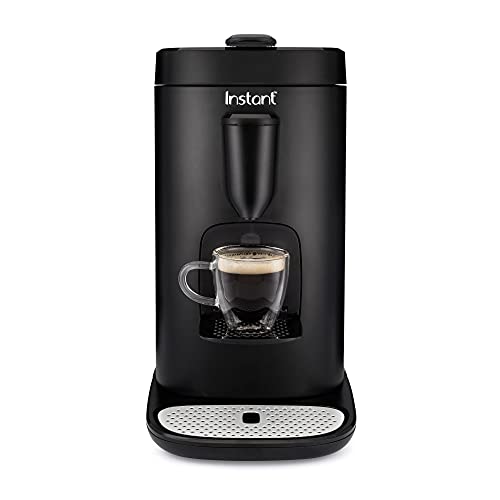
Compatible with all single-serve K-Cups, generic universal reusable K-Cups, and original Nespresso-style capsules
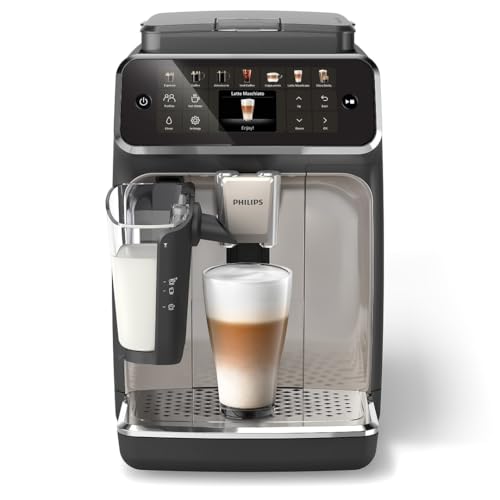
COFFEE IN ONE TOUCH: Automatically grinds, tamps, brews, and froths for your coffee at the touch of a button.

Make Your Favorite Espresso Coffee at Home: Prepare all your favorite espresso beverages with ease using our coffee machine with a built-in grinder and manual steam wand. Enjoy barista-quality espressos, lattes, cappuccinos, or macchiatos right at home. Its sleek stainless-steel design adds style and durability. Perfect for home or office use, this versatile machine also makes an excellent wedding, anniversary, or housewarming gift for coffee lovers, for dads, moms, husbands, wives and friends
Monitoring and Control Systems
Capsule coffee machines are equipped with sophisticated monitoring and control systems that enhance brewing efficiency and consistency. These systems utilize temperature sensors and control circuits for precise temperature regulation during brewing. By dynamically adjusting water flow and heat based on real-time measurements, they optimize extraction quality tailored to various coffee capsule types. The integration of PID-based temperature control guarantees stable heating, compensating for fluctuations in water temperature throughout the brewing cycle. High-precision control panels facilitate automated adjustments of water volume and temperature. Additionally, advanced monitoring systems incorporate camera-based identification code recognition, allowing machines to configure extraction parameters automatically based on the recognized coffee capsule type. This combination of technologies produces a consistently high-quality beverage, which is similar to the importance of single dose grinders that ensure optimal flavor and freshness in coffee.
Advantages of Capsule Technology
Numerous advantages characterize capsule technology, elevating coffee brewing to a more efficient level. Capsule machines employ rapid heating mechanisms to heat water quickly to an ideal brewing temperature, between 88-96°C. This precise temperature control aids in the efficient extraction of flavors from coffee grounds within the pods. Operating at pressures up to 12 bars enhances this flavor extraction, offering a higher quality brew compared to traditional methods. Many machines feature precision-controlled brewing heads that guarantee consistent water flow and temperature, which is essential for maintaining high-quality results. Additionally, the compact design allows for quick brewing cycles, reducing thermal losses and streamlining the coffee-making process, ultimately providing a reliable and satisfying experience for coffee enthusiasts. Furthermore, the quick heat-up times of these machines make them ideal for busy mornings.
Environmental Considerations
While the convenience of capsule coffee machines appeals to many consumers, environmental considerations regarding their use present significant challenges. The average coffee consumption results in approximately 30 billion disposable pods sent to landfills annually, exacerbating plastic waste. Most traditional pods lack biodegradable materials, contributing to significant environmental impact. To address this, companies are exploring recyclable materials and developing biodegradable pods. Innovations in capsule design, like aluminum options and refillable systems, aim to reduce the carbon footprint associated with single-use capsules. Moreover, adopting energy-efficient machines and sustainable practices, such as responsibly sourcing coffee, is essential in mitigating the environmental challenges linked to capsule coffee systems. Collectively, these efforts represent a significant shift towards reducing the ecological ramifications of coffee consumption. Additionally, the adoption of reusable coffee filters can further enhance sustainability by minimizing waste and improving brewing practices.
Future Innovations in Capsule Machines
As the coffee industry navigates the challenges of environmental sustainability, attention turns toward future innovations in capsule machines, which promise to enhance both user experience and coffee quality. Advanced heating systems will enable real-time temperature regulation, allowing for ideal brewing temperatures tailored to different coffee types. Intelligent control systems will maintain extraction precision, improving flavor consistency in every cup. Mobile technology is likely to connect machines with user devices, fostering customizable brewing experiences and updates on performance. Additionally, camera-based systems will identify specific capsules, automatically adjusting extraction parameters for an efficient brewing process. Overall, these innovations, including rapid in-line heating mechanisms, aim to elevate the efficiency and flavor extraction of capsule coffee machines remarkably.
Frequently Asked Questions
How Does Keurig Heat up Water so Fast?
Could anything be more convenient than a Keurig? Utilizing advanced brewing technology, it employs rapid heating and precise temperature control to optimize Keurig water, ensuring efficient coffee extraction while enhancing thermal efficiency and pressure brewing capabilities.
Do Nespresso Machines Use Pressure?
Nespresso machines utilize pressure extraction through advanced Nespresso technology, ensuring brewing efficiency and coffee quality. Their machine design maintains temperature consistency and enhances foaming capability, providing user convenience while requiring minimal maintenance for peak performance.
How Does a Capsule Coffee Machine Work?
A capsule coffee machine efficiently carries out the brewing process by heating water to ideal temperatures, utilizing capsule design for effective coffee extraction, and ensuring an enhanced user experience while simplifying maintenance for diverse flavor profiles.
How Do Coffee Machines Make Water Hot so Quickly?
Through the alchemy of capsule technology, machines achieve rapid heating of water temperature by employing sophisticated heating elements. This efficient ballet of thermal dynamics enhances coffee brewing and extraction, optimizing the brewing process for a delightful cup.