As an Amazon Associate, we earn from qualifying purchases. Some links on this site are affiliate links at no extra cost to you. Our recommendations are based on thorough research and editorial judgment.

How Decaf Coffee Pods Are Produced

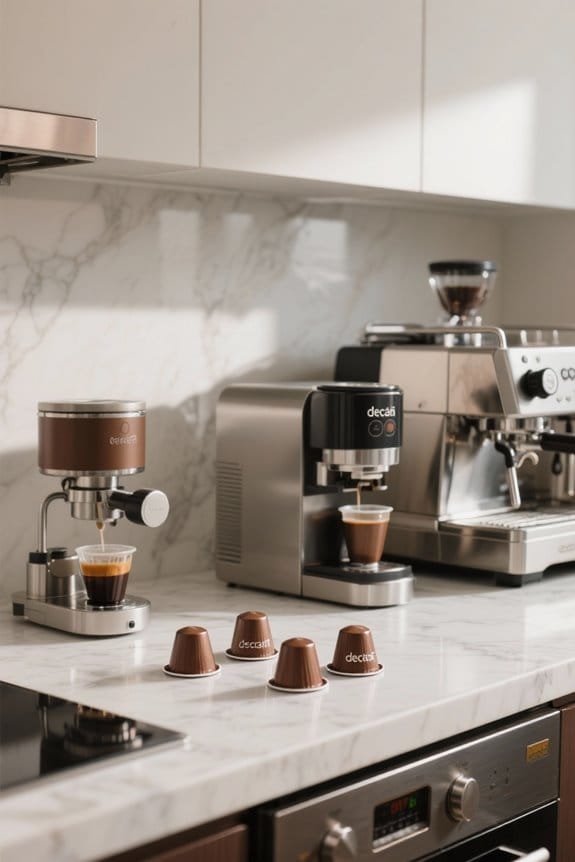
Decaf coffee pods are produced by first selecting high-quality 100% Arabica beans. During production, caffeine is removed using methods like the Swiss Water Process or CO2 Method, which maintain flavor integrity. A rigorous quality control system guarantees proper caffeine extraction and monitors taste and aroma. Once decaffeinated, beans are roasted at lower temperatures to enhance natural flavors. After grinding, they are packed in airtight pods to preserve freshness and aromatics. Explore further to uncover the entire fascinating process.
Key Takeaways
- High-quality 100% Arabica beans are selected for flavor and minimal caffeine content before the decaffeination process begins.
- Various decaffeination methods are used, including Swiss Water Process and CO2, to remove caffeine while preserving flavor.
- Beans are roasted at lower temperatures to enhance flavor without bitterness, followed by rapid cooling to maintain aroma.
- Ground coffee coarseness is adjusted based on the intended brewing method to ensure optimal extraction and flavor consistency.
- Decaf coffee is packaged in airtight pods, often nitrogen flushed, to protect against light, moisture, and oxygen, preserving freshness and aroma.
What Is Decaf Coffee?
You may be interested



Decaf coffee, short for decaffeinated coffee, is a popular beverage choice designed to minimize caffeine content while preserving flavor. Through the decaffeination process, at least 97% of caffeine is removed before roasting, resulting in an average of only 2 milligrams of caffeine per cup, compared to the 95 milligrams found in regular coffee. Various methods, including water, steam, or chemical solvents, guarantee the rich flavor is retained. Established in 1906 by Ludwig Roselius, decaf coffee continues to evolve, retaining many health benefits similar to regular coffee, such as antioxidant properties. Representing about 10% of coffee consumption in the U.S., it offers coffee lovers a satisfying way to enjoy their favorite beverage without the stimulating effects of caffeine. Additionally, many decaf options are available in single-serve pods, making it convenient for those who enjoy quick and easy brewing at home.
The Importance of Decaf Coffee

The significance of decaf coffee extends beyond mere preference, highlighting its crucial role for many consumers. Specifically, decaf coffee pods offer an alternative for individuals aiming to reduce caffeine intake due to health issues like heart conditions, anxiety, or insomnia. For pregnant women, decaf provides an opportunity to enjoy coffee without exceeding recommended caffeine limits. Importantly, approximately 10% of coffee consumption in the U.S. consists of decaffeinated options, reflecting its substantial demand. Additionally, the antioxidants present in decaf coffee mirror those found in regular coffee, supporting overall health benefits while minimizing caffeine-related side effects. Consequently, decaf coffee stands as a critical choice for enjoying coffee’s rich flavors without the potential drawbacks associated with high caffeine consumption. Moreover, many decaf coffee options can be brewed using built-in frother machines, enhancing the overall coffee experience at home.
Decaf Coffee Benefits

Coffee lovers often seek alternatives that still provide the rich flavor they cherish, and decaffeinated options present numerous benefits without the side effects associated with caffeine consumption. Decaffeinated coffee, containing lower caffeine levels, is an excellent choice for individuals sensitive to caffeine, as it can reduce anxiety and improve sleep quality. Rich in antioxidants, it supports overall health and may lower the risk of certain diseases. Additionally, decaf coffee is gentler on the stomach, making it suitable for those who experience gastrointestinal discomfort from regular coffee. It allows coffee enthusiasts to enjoy complex flavour compounds without the jitters or crashes associated with higher caffeine intake, making it a favorable option for daily consumption. Moreover, many decaf options, such as those made from 100% Arabica beans, ensure a high-quality coffee experience without sacrificing taste.
How Is Decaf Coffee Made?

How is caffeine removed from green coffee beans while retaining their flavorful qualities? The decaffeination process typically removes at least 97% of caffeine from green coffee beans before roasting, utilizing methods that focus on preserving essential flavor components. One effective method is the Swiss Water Process, which employs hot water to extract caffeine from the beans. During this process, the beans reabsorb flavors while leaving caffeine behind. Another approach is the CO2 Method, where liquid carbon dioxide, under high pressure, selectively removes caffeine without sacrificing taste. After the decaffeination process, the beans are carefully dried before roasting, ensuring optimal quality and rich flavor in the final product. Each method aims to produce decaf coffee that is both enjoyable and flavorful. Additionally, many decaf coffee options, like Senseo Decaf, are designed to offer a balanced, smooth taste without bitterness.
Recommended Products
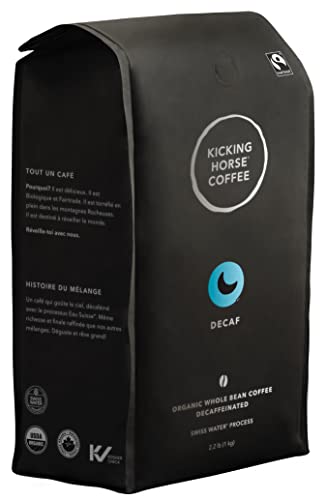
Tasting notes, brew method: roasted hazelnuts, chocolatey balanced body and a lasting Finish. Recommended methods: French press, drip machine, pour over, espresso and cold brew

Sumatra Mandheling Decaf Coffee version of this fine single origin coffee that is that is delightfully smooth with a rich heavy body, low acidity and an exotic flavor with an intense syrupy aftertaste and an earthy richness.
Sumatra Mandheling Decaf Coffee version of this fine single origin coffee that is that is delightfully smooth with a rich heavy body, low acidity and an exotic flavor with an intense syrupy aftertaste and an earthy richness.
The Direct Method of Decaffeination
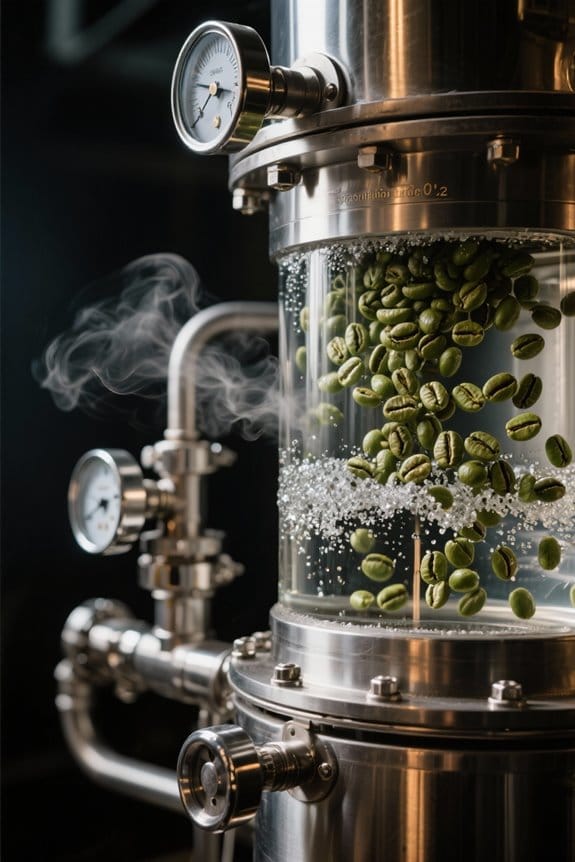
Decaffeination through the Direct Method employs chemical solvents, specifically methylene chloride or ethyl acetate, to effectively extract caffeine from green coffee beans. Initially, these green coffee beans are steamed, a process that opens their pores and enhances the solvent’s effectiveness. Over several hours, the solvent binds to caffeine molecules, enabling selective caffeine removal while preserving the overall flavor profile of the beans. Following this extraction, the beans undergo multiple washes to eliminate any remaining solvent and residual caffeine, leading to the creation of decaffeinated coffee beans. While this method is efficient, it often faces criticism in the specialty coffee sector due to its chemical nature, as it may not maintain the nuanced flavors of the coffee as adeptly as other processes. Additionally, the choice of grind size during brewing, similar to the medium-fine grind recommended for optimal extraction in pour-over coffee, can affect the flavor profile of the decaffeinated coffee.
Recommended Products

Medium-roasted coffees are smooth and balanced with rich, approachable flavors

Subtle notes of cocoa and toasted nuts for well-rounded flavor

Medium Roast, Whole Bean coffee
The CO2 Method of Decaffeination
Employing liquid carbon dioxide under high pressure, the CO2 method of decaffeination effectively extracts caffeine from green coffee beans, while preserving their flavor and aroma. This process begins by soaking the beans in water, which helps facilitate caffeine extraction. The pressurized CO2 then circulates around the coffee beans, binding with caffeine molecules and allowing for their removal. Once the caffeine is extracted, the CO2 evaporates, leaving behind decaffeinated coffee beans. Characterized as environmentally friendly, the CO2 method minimizes waste and energy consumption compared to other methods. Additionally, this technique maintains the coffee’s unique flavor profile, ensuring that the final product delivers a satisfying taste experience, without the unwanted caffeine. This method is increasingly used by brands that prioritize sustainability certifications to appeal to eco-conscious consumers.
Recommended Products

Roasted with Precision: Our high quality, decaffeinated roast beans coffee features our medium roast profile with a balanced taste, highlighting notes of caramel and chocolate combined with the essence of toasted bread for a sweet finish.

[Flavorful Decaf Dark Roast Coffee]: Maud's "Tall Dark & Handsome" Decaffeinated Dark Roast Coffee presents a full-bodied cup with a silky texture, boasting a sweet aroma and delightful notes of toasted nuts. This decaffeinated dark roast stands as our most popular blend, offering a rich and satisfying experience.

Roasted with Precision: Our high quality, decaffeinated Keurig coffee pods feature our medium roast profile with a balanced taste, highlighting notes of caramel and chocolate combined with the essence of toasted bread for a sweet finish.
The Indirect Method (Swiss Water Process)
The Swiss Water Process stands out as a reliable method for decaffeinating coffee, leveraging the natural power of water and osmosis. This process begins by soaking green coffee beans in hot water, allowing caffeine and other soluble compounds to dissolve. The water then passes through a carbon filter, which effectively removes caffeine while preserving flavorful compounds. This chemical-free method appeals to health-conscious consumers, as decaf coffee contains no harmful substances. Furthermore, the reused, caffeine-free water is utilized to decaffeinate additional batches, enhancing overall efficiency and sustainability. The Swiss Water Process is renowned for maintaining the original flavor profile of the coffee, ensuring a rich taste akin to regular coffee, satisfying the expectations of coffee lovers everywhere. Additionally, many coffee enthusiasts appreciate the environmental impact of using methods like the Swiss Water Process, as it contributes to more sustainable coffee production practices.
Recommended Products

Decaf - ( Packs) - Medium Roast with Smooth & Balanced Flavo Flavor - Enjoy a smooth, satisfying Senseo coffee with balanced aroma, rich taste, and a crema layer in every cup.

Compatible with Nespresso Original Machines: Artizan Coffee organic capsules are specifically designed to work seamlessly with Nespresso Original brewers, including Delonghi C190, D290, Citiz, CitiZ & Milk, Maestria, U, Le Cube, Inissia, Lattissima Plus, Lattissima Pro, Lattissima Touch, Lattissima One, Grand Lattissima, Pixie, KitchenAid, Prodigio, Expert, Essenza Mini, Essenza Plus, Creatista Uno, Creatista Plus, and Creatista Pro

The Sugarcane Process of Decaffeination
Utilizing ethyl acetate, derived from fruits and sugarcane, the Sugarcane Process presents an eco-friendly alternative for decaffeinating coffee. This decaffeination method involves steaming green coffee beans to open their pores, which enhances caffeine extraction while preserving flavor. Ethyl acetate, a naturally occurring solvent, binds to caffeine molecules within the beans. As a result, these molecules are effectively washed away, leaving behind decaffeinated coffee beans. The process is particularly popular in coffee-growing regions like Colombia, known for its beneficial environmental impact. Moreover, the Sugarcane Process is favored by specialty coffee producers for its ability to maintain the coffee’s original taste and aroma, making it a preferred choice in the industry. Additionally, this method aligns with siphon coffee makers, which also emphasize flavor enhancement through unique brewing techniques.
Recommended Products

240 Defiantly Decaf - You won't believe this is decaf. It's a champion of deep, dark, rich characteristics. It's been washed of its caffeine, but is drowned in flavor.

The information below is per-pack only
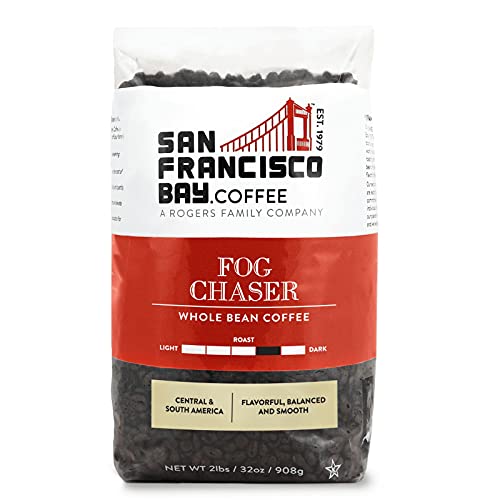
Our iconic Fog Chaser is a blend of dark and medium roasted beans which results in a enjoyable medium dark roast coffee. It's a great combination of flavor, balance and smoothness that will chase away even the thickest morning fog.
Quality Control in Decaf Coffee Production
Quality control in decaf coffee production plays an essential role in making certain that the final product meets stringent standards for flavor, safety, and consistency. It begins with selecting high-quality arabica beans, known for both their flavor and lower caffeine content. During the decaffeination process, monitoring is vital to guarantee caffeine extraction matches specified levels while maintaining the original flavor. Each batch undergoes sensory evaluation, involving taste tests and aroma assessments to assure consistency. Additionally, quality control standards require testing for residual solvents, particularly with methods like the direct solvent process, guaranteeing safety and compliance with health regulations. Regular audits and inspections of the production process further optimize efficiency and sustain high-quality standards throughout decaf coffee pod manufacturing. Furthermore, implementing regular cleaning protocols ensures that the equipment used in production remains in optimal condition, contributing to the overall quality of the decaf coffee.
Roasting and Grinding Decaf Coffee
Roasting and grinding decaf coffee are critical steps that greatly influence the final flavor profile of the beverage. After decaffeination, beans are dried and often roasted at lower temperatures—around 10 to 15 minutes—to enhance their flavor without introducing bitterness. Following roasting, beans cool rapidly using air or water methods, preserving their aroma and freshness. The subsequent grinding requires careful consideration of coarseness; fine grinds suit espresso, while coarser grinds are ideal for French press brewing. Throughout these processes, strict quality control measures are implemented to guarantee consistent flavor and to monitor any residual caffeine levels. These meticulous practices contribute to a high-quality decaf experience that satisfies consumer expectations for flavor and aroma. Additionally, varied coffee grind sizes influence extraction and can alter the brewing experience.
Packaging Decaf Coffee Pods
While the process of producing decaf coffee pods might seem straightforward, careful attention to packaging is essential for maintaining the freshness and flavor of the coffee inside. Each pod is designed to contain a precise amount of decaffeinated coffee, ensuring consistent flavor and strength with every brew. Airtight materials are used during packaging to protect the coffee from light, moisture, and oxygen, which can compromise quality. The sealing process often involves nitrogen flushing, eliminating oxygen and preserving aromatic properties. Rigorous quality control measures are implemented, ensuring that only high-quality decaf coffee reaches consumers. In addition, many brands focus on sustainability by offering recyclable or biodegradable packaging options, addressing the environmental impact associated with traditional materials, and promoting eco-friendly practices in the industry.
Enjoying Your Decaf Coffee Pods
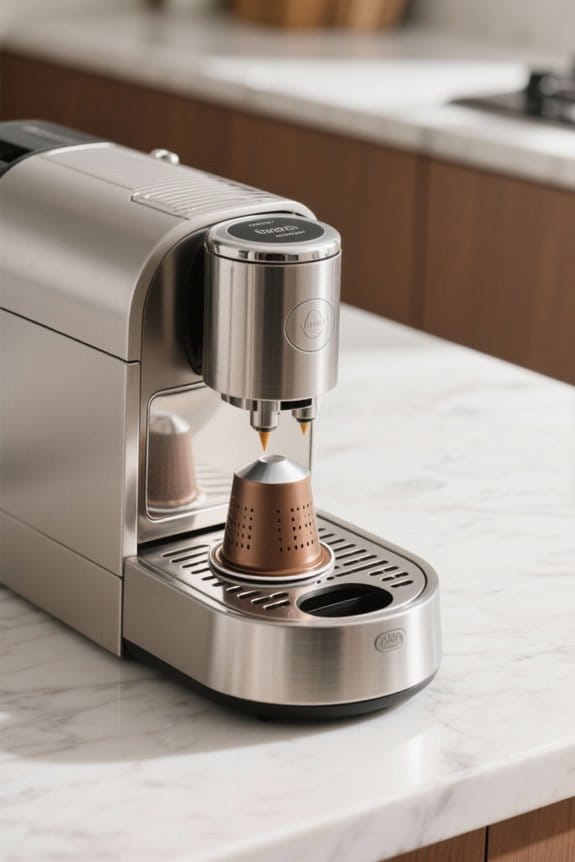
Decaf coffee pods provide a convenient solution for coffee enthusiasts seeking to minimize their caffeine intake without sacrificing flavor. Made from decaffeinated coffee beans processed through methods like the Swiss Water Process, these pods typically contain about 2 milligrams of caffeine, noticeably lower than regular coffee. Users can enjoy a rich cup of decaf by simply inserting the pod into a compatible coffee maker, such as Nespresso, and pressing a button. This ease of preparation encourages routine enjoyment of decaf coffee. Additionally, these coffee pods offer antioxidants, supporting overall health while reducing caffeine-related side effects for sensitive individuals. The wide variety of flavors in decaf coffee pods allows users to explore unique tastes while maintaining their desired low caffeine levels.
Frequently Asked Questions
Is Embalming Fluid Used to Decaffeinate Coffee?
Starting on decaf production methods, it becomes evident that embalming fluid is absent from processes. Consumer preferences lean towards health-conscious choices, ensuring the decaf taste profile remains intact while caffeine content is safely reduced.
What Decaffeination Method Does Nespresso Use?
Nespresso decaffeination primarily employs the Swiss Water Process, a method known for preserving coffee flavor. This decaf production technique results in pods containing merely 0 to 7 mg of caffeine, ensuring a satisfying experience while limiting intake.
Which Decaf Coffees Do Not Use Methylene Chloride?
Various decaf coffees utilize natural decaffeination methods, such as the Swiss Water Process and CO2 Method. Organic decaf options from top decaf brands often highlight the benefits of decaf, maintaining robust flavor profiles without chemicals.
Is the Coffee Decaffeination Process Safe?
The coffee decaffeination process is safe, addressing decaf safety concerns. Regulatory standards guarantee health benefits while maintaining consumer preferences, and various methods offer a taste comparison, securing satisfactory flavor profiles without compromising safety or health.