As an Amazon Associate, we earn from qualifying purchases. Some links on this site are affiliate links at no extra cost to you. Our recommendations are based on thorough research and editorial judgment.

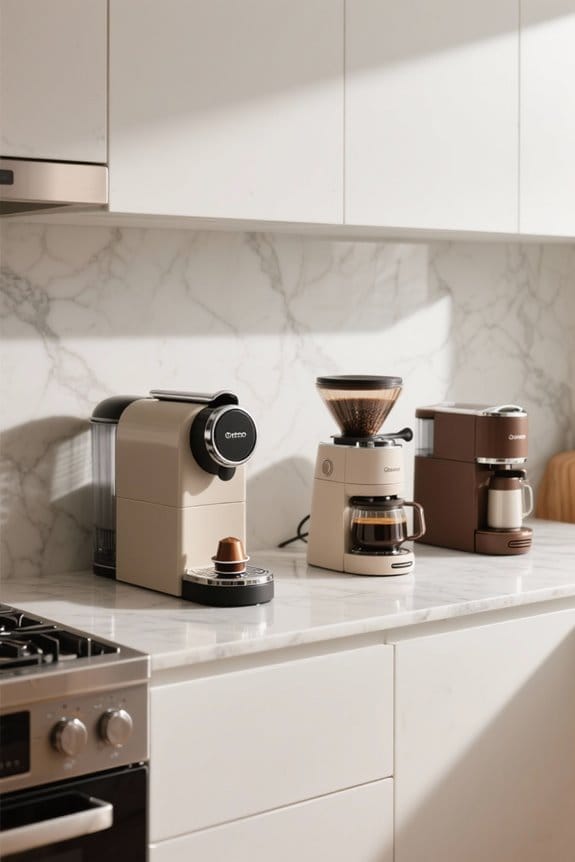
How the Pandemic Boosted Pod Coffee Popularity

The pandemic greatly boosted pod coffee popularity, with 70% of coffee drinkers brewing at home during lockdowns. Daily household consumption rose by 13%, averaging 2.77 cups. Over 25 million homes had Keurig machines, reflecting a clear preference for convenience. Additionally, weekly sales of single-serve coffee surged by 7%. This shift spurred major brands to enter the K-Cup® market, offering diverse flavors. These changes in consumer behavior highlight post-pandemic preferences for at-home brewing solutions, offering further insights into market dynamics.
Key Takeaways
- COVID-19 lockdowns led to a significant shift in consumer behavior, with 70% of coffee drinkers brewing coffee at home.
- At-home coffee consumption increased by 13%, with households averaging 2.77 cups per day during the pandemic.
- Sales of single-serve coffee, particularly K-Cup® pods, surged by 7% as consumers sought convenience amid remote work.
- E-commerce growth during the pandemic facilitated direct-to-consumer purchases, boosting coffee pod sales significantly.
- Innovations in sustainability and diverse flavor options met rising demand, enhancing pod coffee’s popularity during this period.
The Rise of Home Brewing During Lockdowns
You may be interested


As the COVID-19 pandemic enforced lockdowns globally, many coffee drinkers adapted by turning to home brewing. This shift highlighted a significant change in consumer habits, with around 70% of coffee drinkers now opting to brew at home. Average household consumption rose to 2.77 cups per day, marking a 13% increase as individuals sought convenient options during isolation. The popularity of single-serve solutions surged, with over 25 million Keurig and K-Cup® brewers reported in U.S. homes and offices. During the pandemic, weekly average sales of coffee pods grew by 7%, demonstrating increased consumer demand for quick beverage preparation. Projections indicated that K-Cup® consumption could exceed 30 billion units in 2021, indicating a lasting interest in home brewing practices. Many consumers also began exploring eco-friendly K-Cup options to reduce their environmental impact while enjoying fresh brews.
Convenience as a Driving Factor for Coffee Purchases

Convenience emerged as a key driver in coffee purchases during the pandemic, greatly influencing consumer behavior. The COVID-19 crisis saw a notable 7% increase in weekly average sales of single-serve coffee, indicating a shift towards quick, hassle-free options. With over 25 million Keurig and K-Cup® brewers in American homes, single-serve solutions became increasingly popular for at-home coffee preparation. This trend was underscored by the fact that 42% of households owning a Keurig experienced a significant rise in at-home coffee consumption. Projections for K-Cup® consumption in 2021 anticipated surpassing 30 billion units, highlighting the strong demand for convenience. Major brands, including Starbucks and Dunkin’, also entered the K-Cup® market to cater to this growing preference, affirming the trend’s significance. Additionally, the sustainability practices of brands like Caribou Coffee further attracted consumers looking for eco-friendly options.
Recommended Products


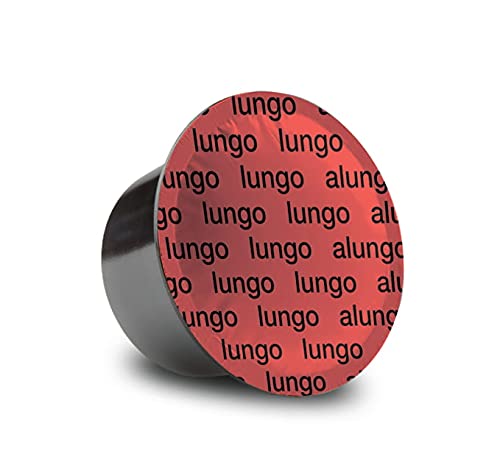
☕ MEDIUM ROAST – INTENSITY & BALANCE Crafted for a smooth, bold espresso experience with moderate roast intensity and rich body.
The Impact of Remote Work on Coffee Consumption Habits

Remote work considerably reshaped coffee consumption habits during the pandemic, as many individuals sought familiar comforts in their daily routines. Approximately 70% of coffee drinkers began brewing coffee at home, driven by remote work and increasing global coffee prices. U.S. households with Keurig machines reported a 7% rise in weekly average sales of single-serve coffee, demonstrating a clear preference for convenience. Importantly, 42% of American households owned a Keurig, highlighting the significant shift towards single-serve options. The average coffee consumption increased from 2.45 cups per day to 2.77 cups, reflecting heightened reliance on coffee amidst remote work settings. Consequently, the demand for coffee pods surged, with projections indicating an annual consumption of over 30 billion K-Cups®. This surge in popularity is partly attributed to diverse flavor options offered by brands that cater to varying taste preferences.
Innovations in Coffee Pod Technology

Innovations in coffee pod technology have considerably transformed the coffee industry, particularly in response to the booming demand for convenient brewing solutions. The coffee pods market was valued at USD 32.91 billion in 2023 and is projected to reach USD 58.35 billion by 2032. Key players like Nestlé and Keurig are leading advancements, focusing on sustainable innovations such as compostable and recyclable materials to address environmental concerns. Additionally, advances in decaffeination technology are enhancing the flavor profile of decaffeinated coffee pods, reducing bitterness and catering to consumers seeking flavorful, caffeine-free options. Moreover, the introduction of smart coffee machines and new brewing techniques enhances the overall consumer experience, reflecting ongoing innovations in response to consumer demand for quality and convenience. Furthermore, the rise of reusable coffee pods promotes sustainability by significantly reducing single-use waste and encouraging responsible consumption habits.
Recommended Products

Features revolutionary Keurig 2.0 Brewing Technology

Single-cup home brewing system for use with patented K-Cups

This refurbished product is tested and certified to look and work like new. The refurbishing process includes functionality testing, basic cleaning, inspection, and repackaging. The product ships with all relevant accessories, and may arrive in a generic box
Changes in Consumer Preferences for Coffee Quality

As the pandemic reshaped daily routines, many consumers began to prioritize coffee quality, reflecting a broader shift in their preferences. The trend toward at-home coffee brewing surged, with 42% of American households owning a Keurig machine, demonstrating a commitment to using coffee pods. Average coffee consumption increased from 2.45 cups to 2.77 cups daily, indicating a heightened demand for both quality coffee and convenience. Significantly, the K-Cup® market saw annual consumption projected to surpass 30 billion by 2021. Consumers expressed a growing preference for premium options, with brands like Starbucks and Dunkin’ introducing specialty coffee pods to meet the desire for café-style experiences. This appetite for high-quality coffee pods contributes to a projected market growth reaching USD 58.35 billion by 2032. Additionally, the rise in sustainable practices has led many consumers to favor coffee options that align with their eco-conscious values.
The Role of E-commerce in Coffee Pod Sales
E-commerce has become a significant force in the sector of coffee pod sales, especially as consumer habits evolved during the pandemic. The shift to online shopping has dramatically accelerated coffee pod sales, with direct-to-consumer channels seeing notable growth. In 2023, the coffee pods market was valued at USD 32.91 billion, largely due to expanding e-commerce opportunities that catered to increasing consumer demand for at-home coffee solutions. The business-to-consumer (B2C) channel holds the largest market share, driven by the convenience of online platforms. Many consumers now prioritize purchasing coffee pods online over traditional retail options, enhancing their shopping experience with quick delivery. Meanwhile, the business-to-business (B2B) channel is also poised for significant growth post-COVID-19, thanks to rising digitalization and bulk purchasing trends. As consumers seek energy-efficient machines for their home brewing, the demand for pod coffee systems is expected to continue growing.
Recommended Products

Ideal for large size businesses
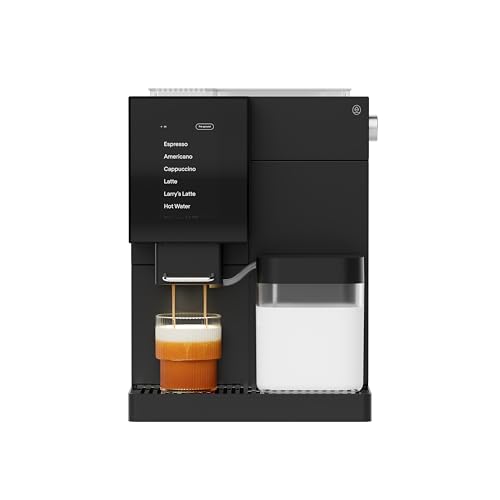
FULLY CUSTOMIZABLE DRINKS - This fully automatic espresso machine offers over 100,000 drink combinations, giving you complete control to create your perfect brew every time. With the ability to froth all milk types, from dairy to plant-based, this automatic coffee machine is as versatile as your taste, making it an excellent choice for Valentine's gifts for him.

Removable bean hopper allows you to simply twist and lift to easily remove the bean hopper to empty, exchange or refill with fresh beans to suit your taste
Shift From Out-Of-Home to At-Home Coffee Experiences
The pandemic prompted a considerable shift in coffee consumption habits, with many consumers opting for the convenience of brewing coffee at home rather than seeking out café experiences. A remarkable 81% of respondents reported consuming coffee at home during this period, a stark rise from the 36% who preferred out-of-home options. Additionally, 70% of coffee drinkers embraced at-home coffee due to concerns over rising global prices and the pursuit of cost-effective solutions. Notably, the average home-brewed coffee drinker saves over $800 annually compared to café purchases. During this change, the popularity of coffee pods surged, with a 7% increase in weekly sales, reflecting evolving consumer preferences for quick, easy, and satisfying coffee experiences in the comfort of their homes. This trend aligns with the rise of models like the Keurig K-Mini, which cater to space-efficient brewing solutions for home use.
Sustainability Concerns Influencing Pod Design
While consumer interest in convenience fueled the rise of single-use coffee pods during the pandemic, significant concerns regarding their environmental impact have prompted a vital reevaluation of pod design. Traditional coffee pods contribute extensively to non-degradable waste, leading to heightened scrutiny and regulatory measures, particularly in the European Union, mandating compliance with sustainability standards by December 2026. In response to this challenge, manufacturers are innovating, developing recyclable and biodegradable options. Remarkably, brands like Keygea have introduced compostable pods, directly addressing consumer demand for eco-friendly coffee solutions. As sustainability becomes a vital consideration in purchasing decisions, companies are increasingly investing in research and development of eco-conscious materials, aiming to meet evolving market expectations and create a sustainable future for coffee consumption. Additionally, the shift towards reusable coffee filters offers consumers a sustainable alternative that reduces waste and enhances brewing quality.
Key Market Players and Their Responses
Many major players in the coffee pod market have adapted swiftly to meet the burgeoning demand for at-home brewing solutions during the pandemic. Companies like Nestlé and Keurig experienced record sales growth, with K-Cup® weekly average sales increasing by 7%. The global coffee pod market, valued at approximately USD 32.91 billion in 2023, presented lucrative market opportunities as consumer preferences shifted toward single-serve options. JAB Holding Company expanded its offerings into premium coffee segments, targeting consumers seeking higher-quality experiences. Additionally, brands such as Intelligent Blends introduced convenience-focused single-serving options, anticipating K-Cup® consumption will exceed 30 billion units annually. These strategic product innovations and marketing adaptations reflect a focused response to changing consumer demands amidst the pandemic. Notably, the single serve coffee makers segment has seen a significant rise in popularity, highlighting the preference for quick and customizable coffee solutions.
Recommended Products

Energize your breakroom with the Keurig K-3500 Coffee Maker, the latest innovation from Keurig. The brewer blends intuitive technology with clean lines and modern design, delivering an unmatched range of beloved brands of coffee, cocoa, and tea, all at the touch of a screen. Ideal for the busy breakroom, this brewer is engineered for continuous use and back to back brewing. - 5 cup sizes including new 12 oz. brew size

Ideal for large businesses

Brew Over Ice - Brew any K-Cup pod over ice, brews hot coffee 6oz, strong
Trends in Flavors and Variety of Coffee Pods
Consumer behavior during the pandemic has led to notable shifts in coffee pod flavors and variety. Flavored coffee pods experienced considerable growth, driven by consumers seeking to recreate unique coffee experiences at home. Younger demographics increasingly favor premium flavored options, inspired by diverse blends seen on social media platforms like TikTok. This trend prompted brands such as Nestlé to expand their offerings, introducing indulgent flavors like caramel and mocha, as well as variety packs. In addition, health-conscious flavored pods, infused with functional ingredients, are gaining traction among consumers seeking taste without sacrificing wellness benefits. This experimentation attracts both seasoned coffee drinkers and newcomers, greatly contributing to the coffee pod market’s robust growth during and beyond the pandemic. Many of these flavored coffee pods are made exclusively from 100% Arabica beans, ensuring a rich and smooth taste that resonates with consumers.
Recommended Products

Please refer to user guide or user manual or user guide (provided below in PDF) before first use

Our Roastmaster meticulously crafts each coffee in our Artisan Blend collection to enhance the flavors of the different coffees. We blend a little of this coffee and a little of that coffee (no additional flavorings!) in order to make a new and delicious coffee experience

Compact: Small and personal; Great for small spaces and portable design goes anywhere; Cord storage feature helps with portability
The Future Outlook for Pod Coffee Consumption
As the coffee pods market anticipates robust growth, projections indicate an increase from USD 35.07 billion in 2026 to USD 58.35 billion by 2032. This growth, reflecting a compound annual growth rate (CAGR) of 6.6% from 2026 to 2032, is propelled by convenience and home brewing trends. The rise in consumer demand for decaffeinated options highlights health-conscious choices, bolstered by advancements in decaffeination. Additionally, the market is shifting towards sustainable practices, with eco-friendly and biodegradable coffee pods emerging as key offerings. Regulatory changes are driving this transformation, encouraging companies to innovate. Key players like Nestlé and Keurig are actively expanding their product lines, ensuring a competitive landscape that caters to both premium segments and environmental concerns.
Frequently Asked Questions
What Coffee Was Popular During Lockdown?
What coffee options flourished during lockdown? Home coffee rituals, particularly single-serve pod brews, surged, reflecting lockdown brewing trends. Remote work caffeine consumption increased, with many opting for the convenience and speed of coffee pods for daily routines.
How Did COVID Affect the Coffee Industry?
COVID impact markedly altered coffee consumption patterns, pushing consumers toward home brewing solutions. With increased at-home consumption and a demand for convenience, single-serve options gained popularity, reshaping the coffee industry landscape during the pandemic.
Why Is Gen Z Obsessed With Iced Coffee?
Gen Z’s obsession with iced coffee stems from iced coffee trends emphasizing customization and aesthetic appeal. Their preferences for unique coffee flavorings and quick preparation align with a desire for visually enticing beverages shared on social media.
Why Are Coffee Pods so Popular?
While some criticize coffee pods for environmental concerns, their popularity stems from the convenience factor and impressive flavor variety they offer. Consumers appreciate the quick, mess-free preparation, enhancing their coffee experience at home and in offices.