As an Amazon Associate, we earn from qualifying purchases. Some links on this site are affiliate links at no extra cost to you. Our recommendations are based on thorough research and editorial judgment.

What Makes Coffee Pods Different From Ground Coffee?

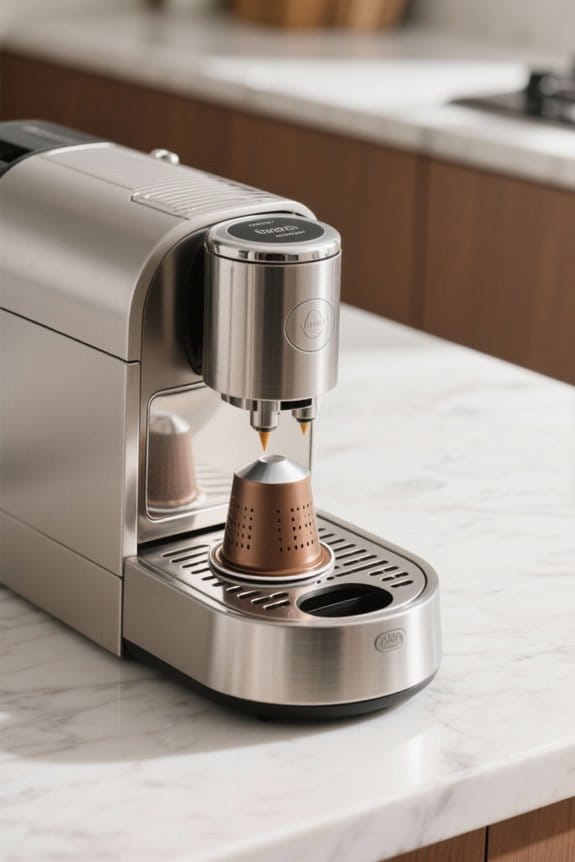
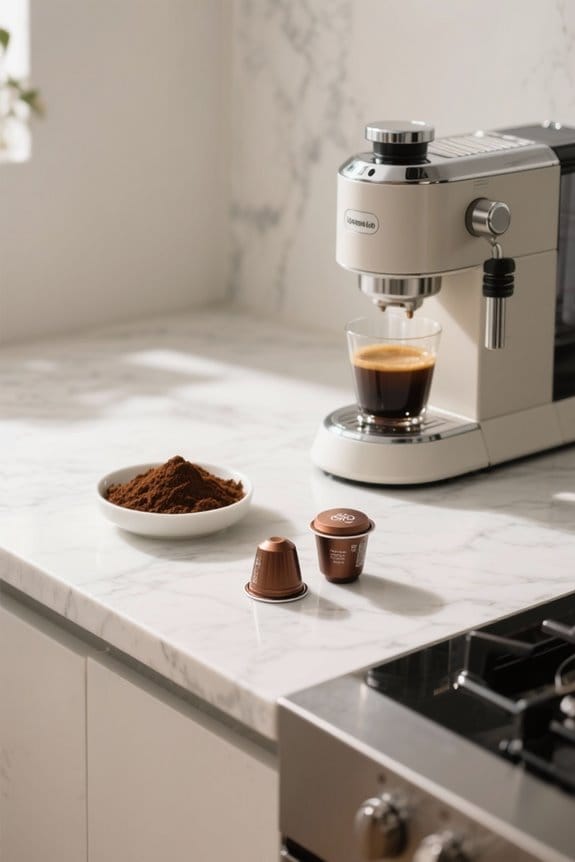
Coffee pods differ from ground coffee mainly in convenience and freshness. Pods offer single-serving portions containing about 12 grams of coffee, ensuring consistent flavor. They are airtight, protecting coffee from moisture, resulting in longer-lasting freshness. Ground coffee, however, requires measuring and grinding, which introduces variability in preparation. Additionally, pods average $0.50 to $1.00 per serving while ground coffee costs about $0.15 to $0.30 per cup. Understanding these distinctions can enhance coffee choices and experiences.
Key Takeaways
- Coffee pods are pre-packaged, single-serving containers that offer quick brewing, while ground coffee requires measurement and grinding.
- Pods are sealed for freshness, ensuring consistent flavor, whereas ground coffee can lose flavor quickly if not stored properly.
- Brewing with coffee pods typically takes under three minutes, while ground coffee can involve more complex methods and longer preparation times.
- Coffee pods create more waste due to non-biodegradable materials, while ground coffee has less packaging and is often compostable.
- The cost of coffee pods ranges from $0.50 to $1.00 per serving, while ground coffee costs approximately $0.15 to $0.30 per cup.
Understanding Coffee Pods and Ground Coffee
You may be interested



Coffee, a beloved beverage worldwide, can be enjoyed in various forms, with coffee pods and ground coffee being two of the most popular options. Coffee pods are single-serving, pre-packaged containers, offering convenience and minimizing preparation steps. Each pod typically contains about 12 grams of coffee, ensuring a consistent flavor strength. In contrast, ground coffee allows for a broader range of brewing methods, including drip and French press, but requires measuring and grinding, which can be time-consuming. The sealed nature of coffee pods helps maintain freshness, while ground coffee often faces the risk of staleness due to air exposure. Overall, coffee pods provide a quicker brewing experience, completing the process in under three minutes, suitable for busy lifestyles, while ground coffee can demand more time and effort. Additionally, using freshly ground coffee significantly enhances the flavor and aroma compared to pre-packaged alternatives.
Recommended Products


☕ MEDIUM ROAST – INTENSITY & BALANCE Crafted for a smooth, bold espresso experience with moderate roast intensity and rich body.
Brewing Methods: Coffee Pods vs. Ground Coffee
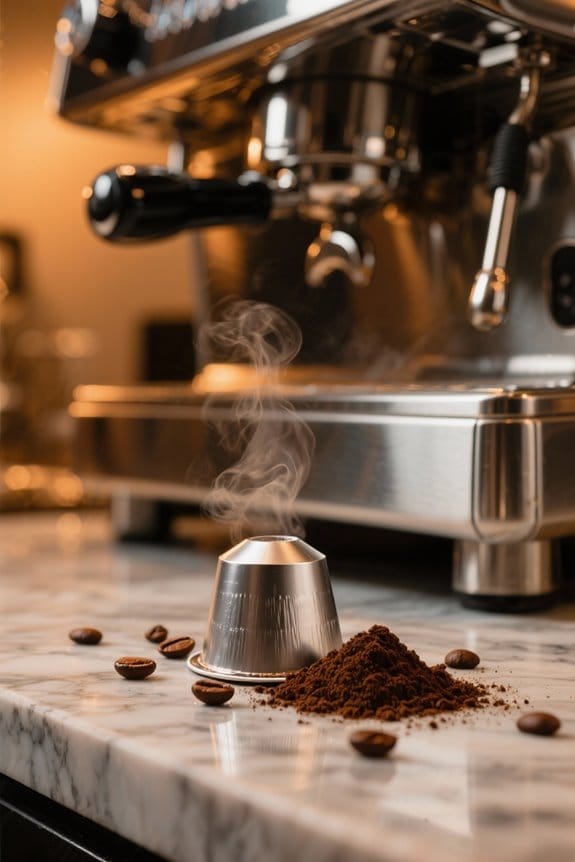
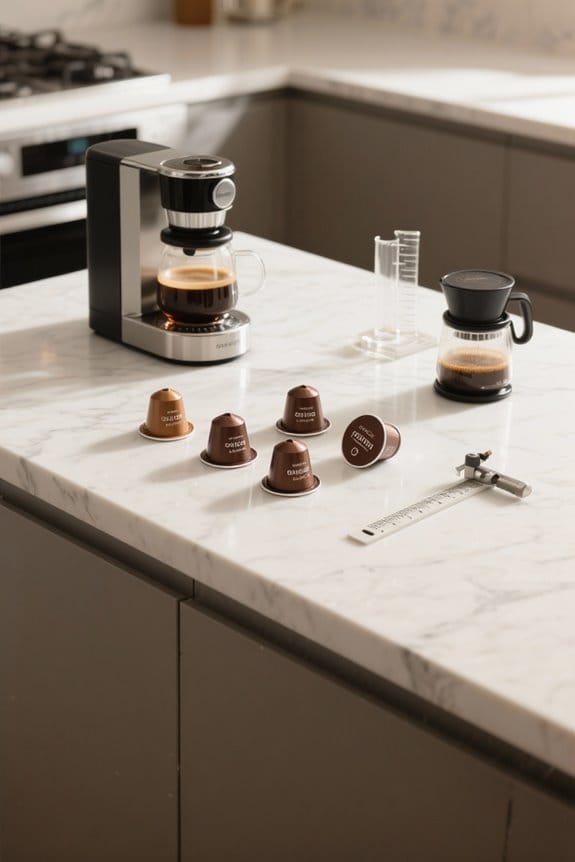
When comparing brewing methods between coffee pods and ground coffee, the efficiency of each approach becomes evident. Coffee pods offer single-serve convenience, allowing a coffee drinker to brew a cup in under three minutes by inserting a pod into a coffee machine. This method eliminates the need for grinding freshly ground beans, measuring coffee, and controlling hot water temperature. Conversely, brewing ground coffee often involves various methods, such as drip or French press, which require skill and knowledge to optimize flavor. This complexity can extend brewing times considerably. Coffee pods also maintain freshness due to their sealed packaging, whereas ground coffee can lose its flavor quickly without proper storage, making pods a more reliable option for consistent quality. Additionally, many pod coffee makers feature energy-efficient options that allow for quick brewing without excessive power consumption.
Flavor and Freshness Comparison
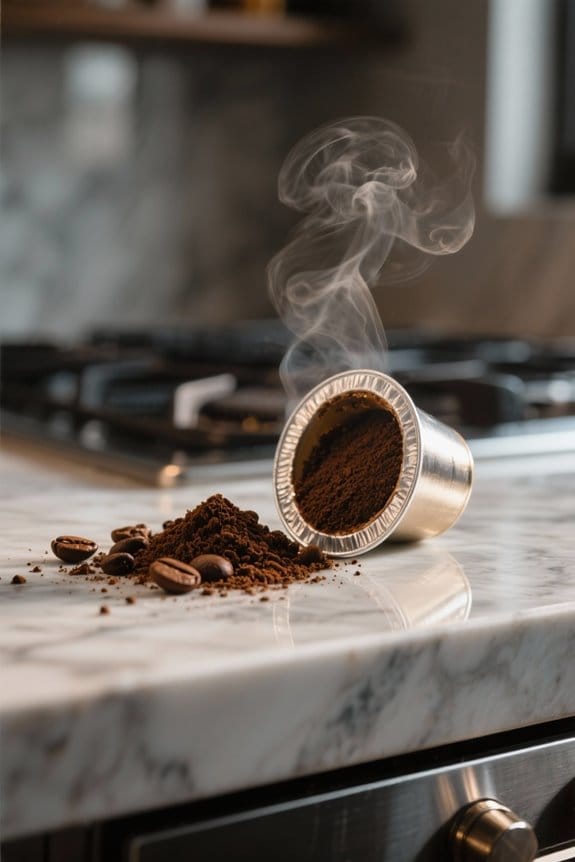
In the domain of coffee, flavor and freshness are pivotal characteristics that influence consumer choices. Coffee pods are sealed to maintain freshness, protecting the pre-measured grounds from moisture and oxygen, which can compromise flavor quality. In contrast, ground coffee may lose its flavor rapidly if not stored correctly, often resulting in inconsistency in taste. Each pod typically uses high-quality roasted beans, selected for their flavor profiles, ensuring a consistent brewing experience. Additionally, studies indicate that Nespresso pods yield higher levels of antioxidants compared to traditional brewed coffee, enhancing both health benefits and flavor. This combination of airtight sealing and quality selection allows coffee pods to offer a distinctive flavor profile, setting them apart from ground coffee. Furthermore, many brands emphasize sustainability certifications to ensure a guilt-free coffee experience.
Recommended Products

Premium Quality: Grade A Madagascar vanilla beans, vacuum-sealed for maximum freshness and flavor.

NESPRESSO PROFESSIONAL MACHINE BUNDLE: This machine bundle includes a Nespresso Zenius machine, a Quick Startup Guide and two pre-labeled Recycling Bags.
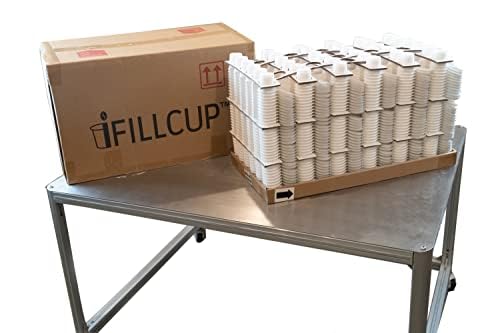
Finally, You Can Brew Coffeehouse Quality in Your K Cup Brewer - Our patented ultrafine DeepBrew filter in iFillCup is designed to hold up to 50% more coffee as well as to make sediment-free and insanely rich brew, which is not possible with any other reusable filter. It has been selected by hundreds of artisan roasters and won numerous Gold medals in the prestigious Golden Bean competitions worldwide. With 50% more coffee in a pod, you can now brew two 8-oz cups or one large 16-oz mug to last through your morning commute.
Convenience vs. Ritual: User Experience
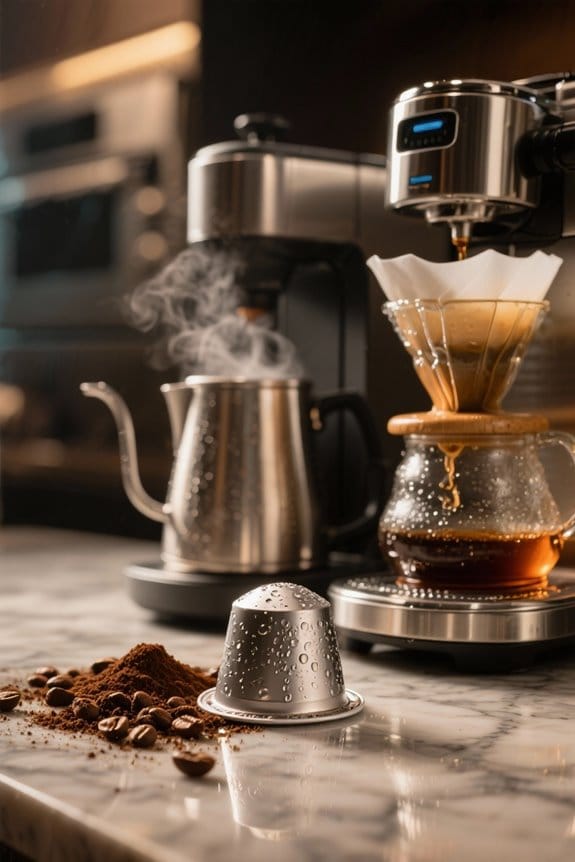
Convenience plays a noteworthy role in the modern coffee experience, particularly for those with busy schedules. Coffee pods deliver an efficient brewing process, with preparation times under three minutes, considerably less than ground coffee, which requires grinding and measuring. This compact design of pod machines appeals to users seeking to save kitchen counter space compared to the array of equipment needed for ground coffee. Furthermore, coffee pods provide consistent flavor consistency, ensuring each cup offers the same strength and taste, while ground coffee can produce variable results based on grind size and brewing technique. Although pods facilitate a quick and hassle-free user experience, the ritual of measuring and brewing ground coffee fosters deeper engagement, appealing to those who cherish the art of preparation. Additionally, the caffeine content in Folgers pods typically averages 80-100 milligrams per serving, providing a reliable energy boost for the day ahead.
Recommended Products

Ideal for large size businesses
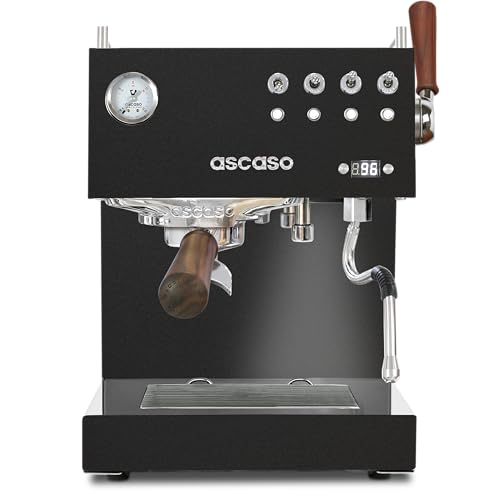
Precision Brewing & Enhanced Controls: The joystick steam wand lever made of walnut provides greater control and steam power, refining frothing capabilities and adding finesse to barista skills. // The competition shower screen guarantees precise and even extractions, elevating the quality of every espresso shot brewed.
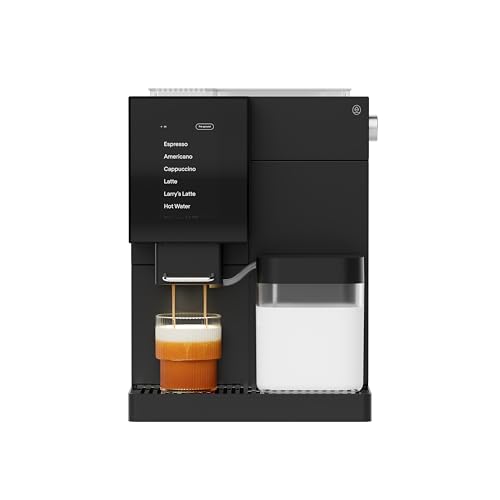
FULLY CUSTOMIZABLE DRINKS - This fully automatic espresso machine offers over 100,000 drink combinations, giving you complete control to create your perfect brew every time. With the ability to froth all milk types, from dairy to plant-based, this automatic coffee machine is as versatile as your taste, making it an excellent choice for Valentine's gifts for him.
Environmental Impact of Coffee Pods and Ground Coffee
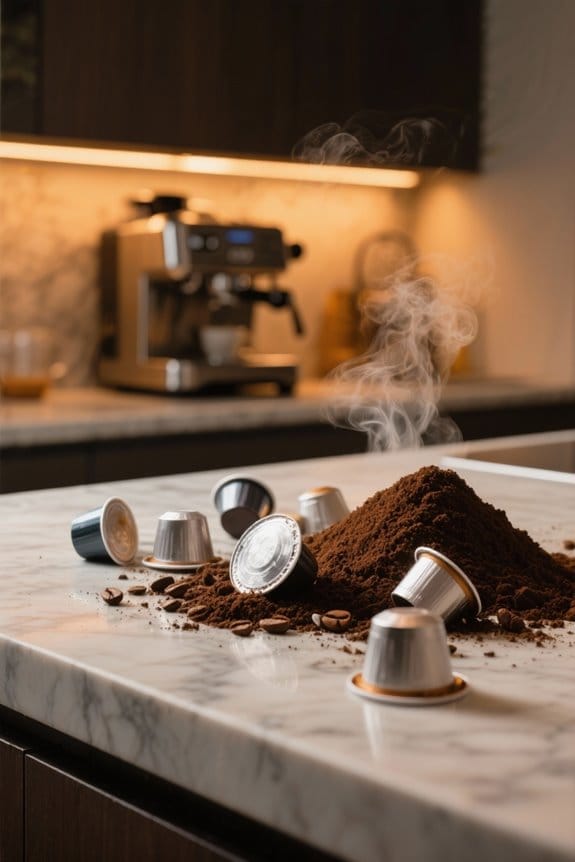
The environmental impact of coffee consumption is increasingly notable, especially when comparing coffee pods to ground coffee. Coffee pods, primarily made from plastic or aluminum, generate considerable landfill waste, as many pods are not biodegradable and are often discarded improperly. In contrast, ground coffee typically involves less packaging waste and can be composted easily. Many coffee pods are designed for single-use, heightening their environmental burden, while bulk ground coffee minimizes waste. However, compostable coffee pods, like OneCUP™, decompose within 84 days in commercial composting, presenting a viable alternative. Ground coffee often emphasizes sustainable sourcing, resulting in a lower carbon footprint compared to coffee pods, which contribute notably to global plastic pollution and increased carbon emissions during production and disposal. Additionally, choosing eco-friendly brands that prioritize compostable materials can significantly reduce the environmental impact of coffee consumption.
Cost Analysis: Coffee Pods and Ground Coffee
Analyzing the cost of coffee consumption reveals significant differences between coffee pods and ground coffee. Coffee pods average $0.50 to $1.00 per serving, while ground coffee costs about $0.15 to $0.30 per cup, allowing for a more economical choice over time. The initial investment for pod machines can range from $70 to $300, considerably higher than basic drip coffee makers, which may cost as little as $20. Regular pod users may face escalating monthly costs, as buying pods frequently can outweigh the savings from bulk purchasing ground coffee. Although coffee pods offer undeniable convenience and consistency, the price premium associated with them often eclipses the long-term value provided by ground coffee. Understanding these costs is essential for informed consumption choices. Additionally, choosing double wall glass mugs can enhance your coffee experience by maintaining optimal temperatures for both hot and cold beverages.
Recommended Products
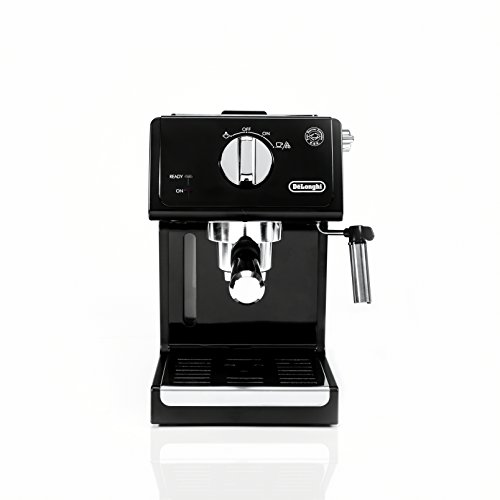
EVERY CUP TO YOUR LIKING 15-bar professional pressure assures quality results every time, and adjustable controls allow you to make modifications for your personal taste preferences

SMART COFFEE MAKER: Brew the perfect single serve coffee or espresso drink time after time, thanks to Nespresso's Centrifusion technology using barcodes to deliver the best in-cup results including the perfect crema for large coffee cup sizes

1 case of 4 Packs, 4 Count Total
Frequently Asked Questions
Is Pod Coffee as Good as Ground Coffee?
Pod coffee can satisfy many, yet its flavor often lacks the depth of freshly ground coffee. While convenient and fresh, price differences, environmental impacts, and varying caffeine contents illustrate that user preferences ultimately dictate which is better.
What Are the Cons of Coffee Capsules?
Coffee capsules face drawbacks like environmental impact through waste generation, limited recycling options, higher cost compared to ground coffee, diminished freshness level, restricted flavor variety, and potential overconsumption due to their convenience factor and quick brewing time.
Are K Cups Just Coffee Grounds?
K-Cups are not merely coffee grounds; they are coffee pods designed for specific brewing methods. Factors like flavor profiles, freshness comparison, convenience factor, environmental impact, and cost analysis distinguish them from traditional ground coffee alternatives.
What Is the Downside of K Cups?
K-Cups present downsides such as K-Cup waste contributing to environmental impact, issues with flavor consistency and freshness factor, higher cost compared to ground coffee, limited brand variety, and convenience trade-offs affecting overall taste profiles and brewing time.