As an Amazon Associate, we earn from qualifying purchases. Some links on this site are affiliate links at no extra cost to you. Our recommendations are based on thorough research and editorial judgment.

The Future of Sustainable Coffee Pod Packaging

The future of sustainable coffee pod packaging is driven by increasing consumer demand for eco-friendly solutions. The global coffee capsule market, valued at USD 38 billion in 2023, is projected to exceed USD 58 billion by 2030. To meet sustainability expectations, brands are focusing on compostable materials like Ingeo™ PLA and BPI-certified capsules. Innovations, including reusable K-Cups, aim to minimize waste while ensuring taste quality. Enhanced recycling programs and consumer education efforts will further shape industry practices in the coming years. Learn about the key trends influencing this evolution.
Key Takeaways
- The rise in demand for sustainable coffee pods will drive innovations in biodegradable and compostable packaging materials, improving environmental impact.
- Consumer preferences will increasingly favor brands that prioritize transparency in sourcing and offer eco-friendly coffee options made from plant-based materials.
- Collaborations between coffee pod manufacturers and packaging innovators will lead to diverse sustainable offerings that balance cost with environmental responsibility.
- Enhanced recycling programs and increased consumer education about proper disposal methods will be essential in reducing the environmental footprint of coffee pods.
- Regulatory pressures will likely establish industry standards for sustainability, pushing brands toward more responsible packaging practices in the future.
Industry Response to Changing Consumer Preferences
You may be interested



The coffee pod industry is rapidly adapting to shifting consumer preferences that increasingly prioritize sustainability. In 2023, the demand for sustainable coffee pods surged as awareness of environmental impacts grew. As a result, brands are introducing compostable packaging made from materials like cornstarch and sugarcane. The global coffee capsule market, valued at USD 38 billion, is expected to exceed USD 58 billion by 2030, driven by a preference for single-serve coffee aligned with eco-friendly practices. This shift in consumer behavior emphasizes the need for recyclable and compostable capsules. Initiatives like the “Kill the K-Cup” campaign are raising awareness on single-use plastics, prompting brands to innovate and create greener packaging solutions that respond to these emerging trends.
Recommended Products

Capsules compatible with OrginalLine machines by Nespresso

Roasted with Precision: Our high-quality, bold E.S.E. coffee pods are intense and dynamic, with captivating notes of cocoa and dried fruit, finishing with a deep, full-bodied espresso experience.

Compatible with Nespresso Original Machines: Artizan Coffee organic capsules are specifically designed to work seamlessly with Nespresso Original brewers, including Delonghi C190, D290, Citiz, CitiZ & Milk, Maestria, U, Le Cube, Inissia, Lattissima Plus, Lattissima Pro, Lattissima Touch, Lattissima One, Grand Lattissima, Pixie, KitchenAid, Prodigio, Expert, Essenza Mini, Essenza Plus, Creatista Uno, Creatista Plus, and Creatista Pro
Innovations Driving Sustainable Solutions
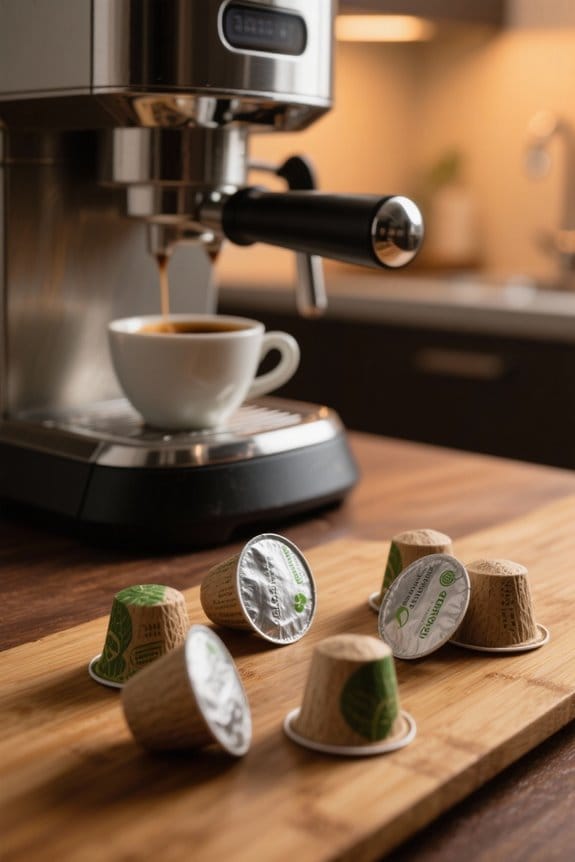
As consumer emphasis on sustainability increases, innovations in coffee pod packaging are transforming the industry landscape. The rising demand for compostable coffee pods drives companies to develop biodegradable options, such as those made from cornstarch and sugarcane, which can decompose within months. Remarkably, major brands like Nespresso and Lavazza are introducing BPI-certified compostable capsules, offering solutions that align with industrial composting standards. Additionally, advancements like Keurig’s K-Rounds showcase the potential of plant-based materials in coffee capsule design. These innovations contribute to sustainable solutions within a circular economy, helping to considerably reduce landfill waste. As the global coffee capsule market surpasses USD 58 billion by 2030, the necessity for eco-friendly packaging has never been more critical. Furthermore, the introduction of reusable K-Cups allows consumers to enjoy their favorite coffee blends while minimizing environmental impact.
Recommended Products

Classic Medium Roast - ( Packs) - Smooth & Balanced Flavor w Flavor - Enjoy a smooth, satisfying Senseo coffee with balanced aroma, rich taste, and a crema layer in every cup.

Compatible with Nespresso Original Machines: Artizan Coffee organic capsules are specifically designed to work seamlessly with Nespresso Original brewers, including Delonghi C190, D290, Citiz, CitiZ & Milk, Maestria, U, Le Cube, Inissia, Lattissima Plus, Lattissima Pro, Lattissima Touch, Lattissima One, Grand Lattissima, Pixie, KitchenAid, Prodigio, Expert, Essenza Mini, Essenza Plus, Creatista Uno, Creatista Plus, and Creatista Pro

The Shift Towards Compostable Materials

With consumer expectations evolving, a considerable shift towards compostable materials in coffee pod packaging emerges as an essential development in the industry. Compostable pods, often crafted from renewable resources like Ingeo™ PLA, provide an environmentally friendly alternative to traditional coffee products. With over 60 billion plastic coffee pods produced annually, the change to compostable packaging aims to greatly reduce landfill waste and lessen the environmental impacts associated with non-biodegradable materials. Innovations by companies such as FLO Group and NatureWorks have led to improvements in flavor extraction while ensuring sustainability. This shift aligns with a notable consumer preference for sustainable packaging options, driven by a growing awareness of environmental responsibility in purchasing decisions. The future of coffee pods hinges on this pivotal change, as compostable pods reduce plastic waste and promote a more sustainable brewing culture.
Recommended Products
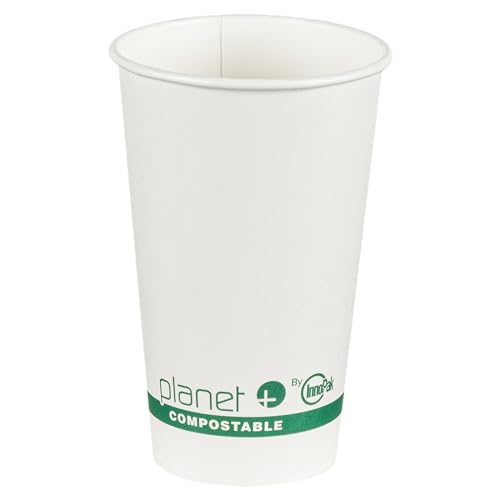
Matching Planet + Compostable PLA Lid Sold Separatly on Amazon

Matching Planet + Compostable PLA Lid Sold Separatly on Amazon

Compatible with Nespresso Original Machines: Artizan Coffee organic capsules are specifically designed to work seamlessly with Nespresso Original brewers, including Delonghi C190, D290, Citiz, CitiZ & Milk, Maestria, U, Le Cube, Inissia, Lattissima Plus, Lattissima Pro, Lattissima Touch, Lattissima One, Grand Lattissima, Pixie, KitchenAid, Prodigio, Expert, Essenza Mini, Essenza Plus, Creatista Uno, Creatista Plus, and Creatista Pro
Key Trends Shaping the Future of Coffee Pods

Shifts in consumer expectations regarding sustainability have paved the way for significant trends that are reshaping the coffee pod market. The global coffee capsule market, valued at USD 38 billion in 2023, is projected to exceed USD 58 billion by 2030, reflecting growing demand for sustainable packaging solutions. Consumers increasingly favor eco-friendly options, with many now choosing compostable products made from cornstarch, sugarcane, and other plant-based materials that decompose within months. Additionally, the rise of package-less pods further emphasizes waste management and reduction. Brands committed to green initiatives are not only contributing to environmental health but also enhancing their competitiveness by ensuring high product quality paired with responsible packaging choices. This synergy is essential for the evolving coffee industry landscape. Furthermore, many brands are now prioritizing compostable materials in their packaging, reflecting a broader commitment to sustainability and reducing landfill waste.
Recommended Products

A premium single serve coffee for exquisite tastes

ARABICA COFFEE – Kauai coffee features a smooth, delicious flavor and amazing aroma. Each cup is a truly satisfying experience. Packaging may vary.

The information below is per-pack only
Balancing Cost and Environmental Responsibility

Balancing cost and environmental responsibility presents a challenge for coffee pod manufacturers aiming to meet changing consumer demands. As preferences shift towards eco-friendly options, the market for sustainable coffee pods is expected to surpass USD 58 billion by 2030. Compostable capsules made from materials like Ingeo™ PLA biopolymer highlight innovative approaches that address concerns about single-use plastics. However, with rising production costs post-pandemic, brands struggle to guarantee cost affordability while investing in sustainable packaging. Companies face pressure to adopt BPI-certified compostable materials, which meet performance criteria and reduce the environmental footprint. Compostable K-Cups are designed for compatibility with standard K-Cup brewers, allowing brands to cater to a broad consumer base. Collaborations with packaging innovators can create diverse, sustainable offerings that cater to a variety of consumer tastes and budgets, enhancing market differentiation while promoting responsible consumption.
Recommended Products

COCONUT CARAMEL CRUNCH MEDIUM ROAST - Taste the unique combination of tropical coconut and sweet caramel

PRE-INFUSION BREW PROCESS: Gently soaks grounds before brewing to produce a deeper, more aromatic/flavorful cup of coffee. Compatible with K-Cups and most other coffee pods.

QUICK AND EASY: 96 Hawaiian Blend single serve, compostable, coffee pods. Cameron's Coffee strives to provide the convenience of a single serve pod with the quality of café brewed coffee.
Collaborations in Sustainable Coffee Practices
As the demand for sustainable coffee products rises, collaborations in the coffee industry are becoming increasingly essential. Partnerships between coffee brands and packaging companies have resulted in significant advancements, such as BPI Certified compostable coffee pods that effectively reduce environmental impact. For instance, the collaboration between FLO Group and NatureWorks produced a new compostable coffee capsule from Ingeo™ PLA biopolymer. This innovation emphasizes sustainability, as coffee roasters and co-packers join forces to meet consumer expectations for eco-friendly packaging solutions. Major beverage brands are also enhancing consumer access to compostable and recyclable capsules, responding to a global market projected to value over USD 58 billion by 2030. Such cooperative efforts pave the way for a greener future in the coffee industry. Additionally, the rise of reusable espresso pods offers consumers an alternative that further promotes sustainable brewing practices.
The Role of Consumer Education in Sustainability
How can consumer education effectively promote sustainability in the coffee industry? It is essential for fostering sustainable practices, particularly in the growing market for compostable coffee pods. Studies indicate that consumers increasingly prioritize brands that transparently share their recycling and sustainability efforts. As the global coffee capsule market is expected to exceed USD 58 billion by 2030, educating consumers about the environmental impact of single-use plastics is vital. Programs that teach proper disposal methods, such as industrial composting, can help reduce the millions of plastic pods clogging landfills yearly. By enhancing consumer understanding of sustainable alternatives, businesses empower buyers to make informed choices, ultimately aligning their purchases with ethical values and promoting a more sustainable market environment. Furthermore, promoting options like reusable K Cups can significantly decrease waste and encourage eco-friendly habits among coffee drinkers.
Frequently Asked Questions
What Are the Main Materials Used in Sustainable Coffee Pod Packaging?
Sustainable coffee pod packaging primarily utilizes biodegradable materials, compostable options, and recyclable packaging. Plant-based alternatives reflect innovation trends, aiming to reduce environmental impact through improved production processes that align with eco-conscious consumer preferences.
How Can Consumers Identify Eco-Friendly Coffee Pod Brands?
Beneath a green canopy of ethical consumption, consumers can spot eco-friendly coffee pod brands through eco labels, brand transparency, and clear recycling programs, all while embracing a heightened awareness of ingredient sourcing and packaging innovation’s environmental impact.
Do Sustainable Coffee Pods Work With All Coffee Machines?
Sustainable coffee pods may vary in compatibility due to machine variations. User experiences often highlight flavor differences, influencing brand recommendations. Understanding recycling processes is essential to guarantee ideal coffee extraction while addressing compatibility concerns with specific machines.
What Happens to Coffee Pods After Disposal?
Over 29,000 tons of coffee pods end up in landfill waste annually. Coffee pod recycling initiatives, education on disposal options, and emphasis on biodegradable alternatives aim to mitigate environmental impact, fostering a circular economy and exploring composting options.
Are There Any Certification Labels for Sustainable Coffee Pod Packaging?
Several certification labels address sustainable coffee pod packaging, highlighting eco label benefits. However, challenges in certification, recyclability issues, and varying industry standards complicate brand transparency and consumer awareness regarding the environmental impact of disposable coffee pods.