As an Amazon Associate, we earn from qualifying purchases. Some links on this site are affiliate links at no extra cost to you. Our recommendations are based on thorough research and editorial judgment.


What Happens to Recyclable Pods After Collection

After collection, recyclable coffee pods are sent to specialized facilities for processing. These facilities use advanced separation techniques to efficiently extract aluminum from used coffee grounds. The aluminum, which can be recycled infinitely, undergoes a smelting process that purifies it for reuse. Meanwhile, coffee grounds are transformed into nutrient-rich compost or converted into biogas for renewable energy. This dual recycling approach promotes sustainability, economic support, and community engagement, underscoring the importance of responsible waste management. Further insights reveal additional practices and innovations in this area.
Key Takeaways
- Recyclable coffee pods are sent to specialized recycling facilities for processing after collection.
- Advanced machinery separates aluminum capsules from used coffee grounds efficiently.
- The aluminum is purified through smelting, which allows it to be reused in new capsules.
- Used coffee grounds are transformed into nutrient-rich compost or converted into renewable energy.
- Innovations in recycling technology enhance efficiency, support community engagement, and promote sustainable practices.
The Journey of Recyclable Pods
You may be interested


When recyclable coffee pods, such as those produced by Nespresso, are collected, they begin a systematic journey towards sustainability. These pods are sent to specialized recycling facilities where the aluminum is efficiently smelted and refined. This aluminum can be repurposed indefinitely, as recycling it conserves approximately 95% of the energy needed compared to producing new aluminum from raw materials. In addition, recovered coffee grounds are directed to local composting facilities, serving as a valuable nitrogen source for enriching soil. They can also be transformed into biogas, offering another sustainable energy option. As part of a thorough recycling program, consumers are encouraged to recycle their used Nespresso pods, contributing to the reduction of waste and promoting resource efficiency. Additionally, the use of reusable filters can further decrease the environmental impact of coffee consumption.
Separation of Aluminum and Coffee Grounds

After collection, recyclable coffee pods are taken to specialized facilities where a detailed separation process unfolds. This process focuses on efficiently separating the aluminum capsules from the used coffee grounds. Workers, using advanced machinery, guarantee that the aluminum is completely removed, allowing both materials to be effectively repurposed. The separation of these components is essential; the aluminum can be recycled indefinitely without losing quality, while the coffee grounds are sent to local composting facilities. Here, they serve as a valuable nitrogen source, enriching soil. By maximizing this separation, waste is minimized, enhancing recycling opportunities. Overall, the careful extraction of aluminum and coffee grounds optimizes resource recovery, fostering sustainability in waste management practices. Moreover, using reusable capsules can significantly reduce the amount of waste generated from single-use pods.
Recommended Products

DRIP COFFEE: Experience convenience with fully automatic brewing and 24-hour programmability and enjoy up to 10 cups of coffee with the 10-cup insulated thermal carafe that keeps coffee hot for hours.
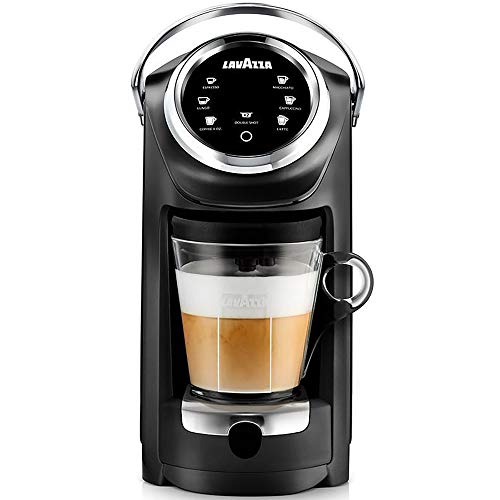
Note: 1)Too coarse a grind, too little coffee, or insufficiently tamping the grounds before brewing can all lead to inadequate pressure for a proper brew. 2)It is important to note that the amount of espresso extracted will vary depending on the grind size and amount and reprogramming may be needed when the size and amount are adjusted.Filter type:Reusable
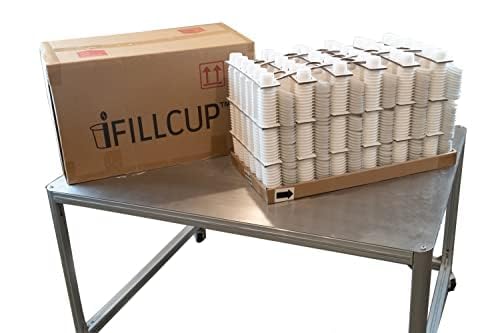
Finally, You Can Brew Coffeehouse Quality in Your K Cup Brewers - iFillCup has been selected by hundreds of premiere coffee roasters worldwide and won multipe Gold medals in GoldenBean competitions (see videos). Its patented DeepBrew filter allows you to fill up to 50% more coffee and make insanely rich brew, not possible with any other pods.
Processing Aluminum for Reuse

Processing aluminum from recyclable coffee pods begins with an essential smelting procedure that effectively purifies the material. During this process, aluminum is heated to high temperatures, allowing for the separation of impurities. This purification is crucial, as approximately 75% of aluminum ever produced remains in use, thanks to its infinite recyclability. Recycling aluminum saves up to 95% of the energy typically needed to create new aluminum from raw materials, minimizing the carbon footprint. Once processed, the recycled aluminum is transformed into high-quality sheets, suitable for making new coffee capsules. This closed-loop system highlights the versatility of aluminum, enabling it to be repurposed not only into coffee products but also into various items such as kitchen wares and automobiles. Additionally, effective recycling practices can also support sustainable coffee consumption by reducing waste and promoting eco-friendly solutions.
Recommended Products

SIGNATURE COFFEES AND ESPRESSOS: The Vertuo Lattissima coffee machine brews 6 sizes, including 5, 8, 12, and 18 fl. oz coffees, as well as single and double espressos. Brew hot or over ice
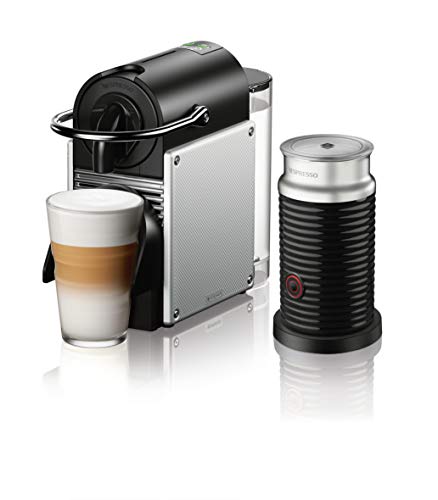
Ultra-compact design: Elegant profile perfect for urbanites with limited kitchen counter space

Please refer to user guide or user manual or user guide (provided below in PDF) before first use
Transforming Coffee Grounds Into Compost

Transforming used coffee grounds into compost represents an important step in sustainable waste management. After collection, recyclable pods containing coffee grounds are delivered to local composting facilities. Here, these grounds are processed and transformed into nutrient-rich compost, which is an excellent source of nitrogen. This nutrient boost is crucial for enhancing soil health and promoting plant growth. The compost generated from these recycled coffee grounds finds application in various agricultural settings, such as local farms and vineyards, ultimately improving crop yields. Additionally, some facilities further convert these grounds into biogas, offering an alternative renewable energy source. By repurposing coffee grounds into compost, facilities greatly reduce landfill waste and support sustainable farming practices, consequently contributing positively to environmental health. Furthermore, the use of reusable coffee filters can significantly reduce waste before the brewing process even begins.
Recommended Products

🌱Smart Electric Composter for the Kitchen: The ultimate solution for turning food scraps and waste into nutrient-rich, natural fertilizer! Ouaken compact electric composter allows you to reduce waste, save on disposal costs, and minimize your carbon footprint—all while enriching your garden.

🌱 Includes 1 Revive Electric Kitchen Waste Composter (Grey) + 1 Revive Electric Kitchen Waste Composter (White)

【🌿 Quick Food Waste Recycling】:The Assark 3L Electric Composter takes 4-6 hours to turn food scraps into natural organic fertilizer. It greatly reduces waste volume by up to 90%, helping you live more sustainably and keeping your kitchen free from odor, mess, bacteria, and pests.
The Role of Local Recycling Partners

Local recycling partners serve a pivotal role in the lifecycle of recyclable pods, focusing on the efficient collection and processing of used materials. These partners, like Ag Choice in New Jersey, facilitate the recycling of aluminum and coffee grounds. When pods are recyclable, local recycling partners guarantee that the aluminum is smelted and refined for repurposing into new products. Meanwhile, recovered coffee grounds are directed to local composting facilities, serving as nitrogen-rich soil amendments. This collaboration not only supports environmental sustainability but also enhances community engagement. By promoting responsible disposal methods, these initiatives help save approximately 95% of the energy needed for new material production, showcasing their effectiveness in fostering economic sustainability within the community. Additionally, using recyclable materials in the production process contributes to a circular economy, further supporting sustainable practices.
Repurposing Aluminum Into New Products
Aluminum collected from recyclable coffee pods undergoes a meticulous smelting and refining process, enabling its transformation into a variety of valuable products. Recycling systems efficiently convert aluminum from Nespresso pods back into raw materials, retaining the metal’s inherent properties. This allows the aluminum to be reused indefinitely, maintaining quality and durability. The repurposed aluminum finds applications in homewares, bicycles, and automotive parts. Innovative products emerging from recycled aluminum include Caran d’Ache pens and Victorinox knives. More than 75% of all aluminum ever produced remains in use today, illustrating the material’s longevity. By integrating recycled aluminum into new products, companies exemplify commitment to sustainability while fostering a circular economy, effectively reducing both carbon emissions and resource consumption. In addition, the shift towards eco-friendly coffee consumption encourages more consumers to consider the benefits of recycling and sustainability in their purchasing decisions.
Recommended Products

SUSTAINABLE KITCHEN BATTERY: The Life cookware set is a set of 9 pieces of high quality, lightweight, functional and sustainable, suitable for daily use; made from 100% recycled certified cast aluminium.

Nonstick cookware that browns, braises, sears and deglazes.

Efficient Waste Reduction: Utilizing a multi-stage process of high-temperature drying, grinding, and cooling, this electric composter for kitchen can reduce waste volume by up to 90% within 3 to 8 hours. Operating below 40 dB, it runs quietly and can be started at night with confidence
Energy Savings Through Recycling
Recycling coffee pods greatly reduces energy consumption, maximizing environmental benefits. For instance, recycling aluminum from these pods saves up to 95% of the energy needed to produce new aluminum from raw materials. This process utilizes only 5% of the energy compared to producing new aluminum, leading to substantial energy savings over time. Additionally, the energy savings from recycling coffee pods notably contribute to reducing greenhouse gas emissions, enhancing overall environmental sustainability. Recycled aluminum maintains its quality and can be reused indefinitely, optimizing energy use throughout its lifecycle. By partnering with local recycling facilities, the recycling of coffee pods not only promotes resource efficiency but also bolsters energy savings, positively impacting community economies and sustainability efforts. Moreover, reusable pods exemplify a sustainable choice that aligns with eco-friendly practices, further supporting energy efficiency initiatives.
Community Engagement and Economic Support
The integration of recycling programs into communities serves multiple purposes, especially providing economic support and fostering engagement among residents. Used coffee pods collected through these initiatives are sent to local recycling partners, such as Ag Choice in New Jersey, generating job opportunities. Nespresso USA emphasizes community engagement by forming partnerships that promote both recycling initiatives and economic sustainability. The recycling of used capsules contributes materials that can be repurposed, stimulating local markets and creating further employment. By supporting local waste management efforts, Nespresso enhances economic resilience and nurtures community well-being through environmentally friendly practices. This commitment not only boosts the brand’s reputation but also instills a sense of pride among community members actively participating in sustainability efforts. Additionally, the use of reusable K-Cups promotes long-term ecological benefits by reducing reliance on single-use pods.
Innovations in Recycling Technology
As advancements in recycling technology evolve, efficiencies in processing materials such as coffee pods are becoming more pronounced. Innovative sorting systems now employ artificial intelligence to enhance the accuracy of recycling, which leads to higher capture rates of aluminum and other reusable components. Easy-peel lids for K-Cup® pods additionally streamline recycling preparation, minimizing contamination and expediting processing. Moreover, new engineering methods considerably reduce energy consumption; for example, melting aluminum now requires less heat compared to traditional approaches. In addition, used coffee grounds can be transformed into biogas or nutrient-rich compost, supporting sustainable solutions in energy and agriculture. Overall, these developments not only improve recycling rates but also promote environmental sustainability through efficient resource management. Furthermore, using reusable coffee pods can significantly reduce landfill waste, showcasing another avenue for eco-friendly practices.
Recommended Products
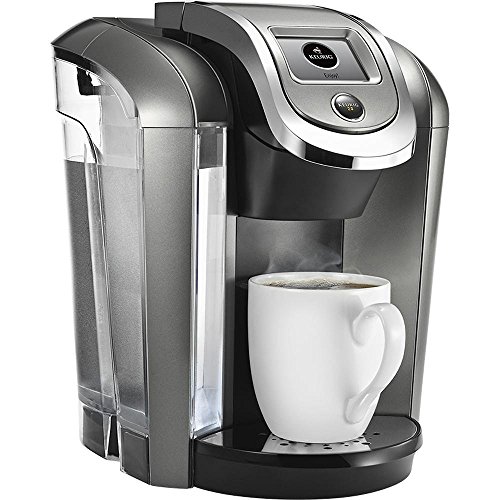
Revolutionary Keurig 2.0 Brewing Technology, Hundreds of varieties from the brands you love

Always ready and brews in under a minute
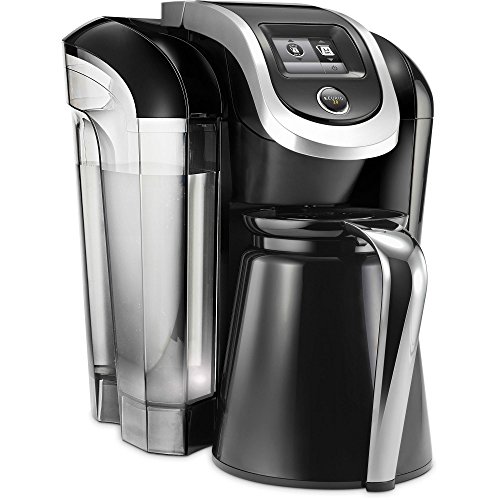
Revolutionary Keurig 2.0 Brewing Technology, Hundreds of varieties from the brands you love
Supporting Sustainable Practices Through Recycling
Supporting sustainable practices through recycling is essential for effective waste management and environmental conservation. Recyclable coffee pods, such as those from Nespresso, are efficiently collected and transported to specialized facilities. Here, the aluminum is smelted and repurposed to create durable goods like bicycles and homewares, emphasizing the material’s infinite recyclability—approximately 75% of all aluminum produced remains in use. In addition, the coffee grounds are transformed into nutrient-rich compost, which serves as a crucial nitrogen source, benefiting local farms and improving soil quality. Nespresso’s recycling initiatives not only promote ecological sustainability but also stimulate the economy by creating job opportunities through local partnerships. This commitment to sustainability permeates the brand, evident in its environmentally friendly boutique designs. Furthermore, using water filters in coffee brewing enhances flavor while contributing to a more sustainable beverage practice.
Frequently Asked Questions
What Happens to Coffee Pods After Podback Collection?
After pod collection, the recycling process begins at specialized facilities where aluminum is smelted for new products and used coffee grounds are composted, creating nutrient-rich soil enhancements and supporting sustainable practices within local communities.
What Happens to Your Recycling After It’s Collected?
After collection, materials enter the recycling process, where specialized facilities sort and process items based on collection methods. This guarantees efficient resource recovery, further enhancing sustainability and reducing environmental impact in the recycling ecosystem.
What Does Nespresso Do With Recycled Pods?
Nespresso sustainability is exemplified through its pod recycling process, where recycled aluminum capsules are transformed into new products, while coffee grounds enrich soil, all promoting a circular economy and enhancing community job opportunities.
Does Our Recycling Go to China?
Recycling no longer travels to China; stricter regulations have redirected efforts. Local recycling policies now prioritize environmental impact, prompting communities to enhance their infrastructure and dispose of materials responsibly within their own regions, creating a sustainable future.