As an Amazon Associate, we earn from qualifying purchases. Some links on this site are affiliate links at no extra cost to you. Our recommendations are based on thorough research and editorial judgment.

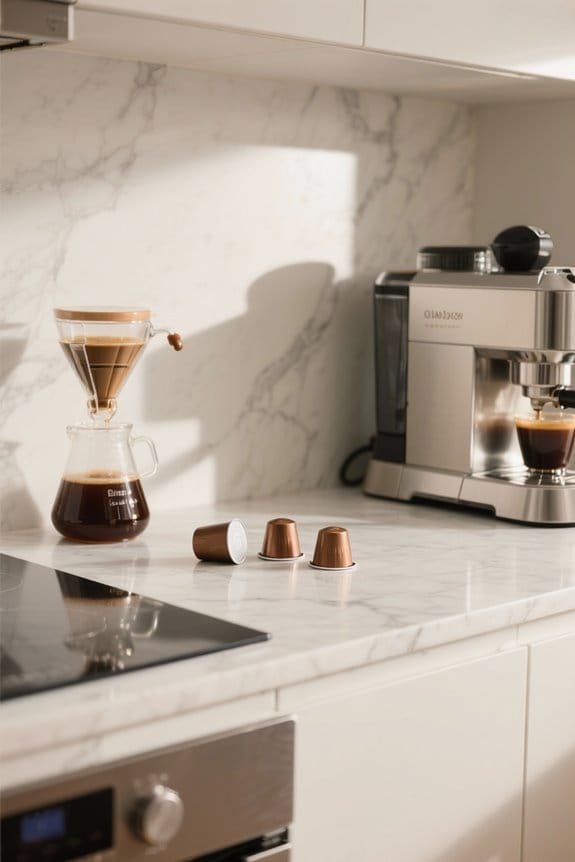
The Chemistry of Espresso Extraction in Capsules

Espresso extraction in capsules involves chemical interactions influenced by factors like particle size, pressure, temperature, and capsule design. The best extraction occurs at pressures of 9 to 15 bars and temperatures between 88°C to 93°C. Fines in the grind can create resistance, affecting flow rates and flavor. Ideal particle size is bimodal, particularly between 250–550 µm and around 50 µm. Capsule design promotes efficient brewing, impacting flavor retention. Further insights reveal additional mechanisms at play.
Key Takeaways
- Espresso extraction in capsules relies on optimal grind size to control permeability and avoid over-extraction.
- Proper pressure (9 to 15 bars) and temperature (88°C to 93°C) during brewing are crucial for flavor profile balance.
- Advanced capsule designs, including hermetic seals and perforated lids, enhance water flow and preserve coffee freshness.
- Uniform particle size distribution ensures consistent extraction, maximizing flavor compounds and total dissolved solids in the espresso.
- Sustainable practices, such as eco-friendly materials, play a key role in the coffee industry’s future and influence capsule design.
Understanding Espresso Extraction Mechanisms
You may be interested



What factors influence the mechanics of espresso extraction? The coffee bed’s permeability in capsules plays an essential role, considerably affected by particle size distribution. A high share of fines may lead to increased resistance, reducing flow rates and hindering efficient extraction. Ideal extraction is achieved by selecting a grind size that avoids overly fine particles. The brewing unit also requires sufficient coffee volume; maintaining adequate headspace guarantees proper water turbulence, vital for improving extraction speed and quality. Moreover, extraction dynamics are influenced by time and pressure; shorter extraction times risk under-extraction, while longer durations can cause bitterness. Utilizing advanced capsule designs, such as aluminum lids, can also enhance extraction by preserving flavor compounds against oxygen and moisture degradation. Additionally, machines with PID systems ensure stable temperatures during brewing, which is crucial for achieving optimal flavor extraction.
Impact of Particle Size on Flavor Profile

Particle size greatly influences the flavor profile of espresso, as smaller sizes increase the surface area but can also hinder permeability, complicating the extraction process. The particle size distribution in coffee grounds plays a critical role in espresso extraction, particularly within coffee capsules. A bimodal distribution, with peaks at 250–550 µm and approximately 50 µm, affects extraction efficiency and times. Finer grind sizes can lead to over-extraction and bitterness due to longer extraction times required by higher percentages of fines. The correlation between coffee weight in capsules and total dissolved solids (TDS) highlights that achieving a balanced flavor profile depends on ideal particle size distribution, directly impacting both the richness and concentration of the espresso’s flavor profile. Additionally, burr grinders ensure uniformity in grind size, which is essential for optimal extraction and flavor retention.
Recommended Products

ONE TOUCH: Prepare 15 barista quality specialties including espresso, coffee, cappuccino, flat white and latte macchiato at the touch of a button.Filter type:Reusable
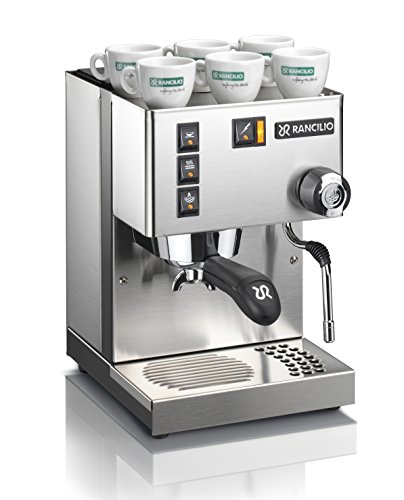
Ergonomic porta filter handle same as the proven design of Rancilio commercial machines

Designed with an ultra-compact 7.5" wide footprint that seamlessly fits into small kitchens, studio apartments, office break rooms, or any countertop where space is at a premium, while still delivering full-size café performance
Role of Pressure and Temperature in Extraction

The extraction of espresso relies heavily on both pressure and temperature, factors critical to achieving the desired flavor profile. Typically, espresso in capsule machines is extracted at pressures between 9 to 15 bars, which considerably enhances the solubility and extraction efficiency of flavor compounds. The ideal extraction temperature usually ranges from 88°C to 93°C (190°F to 200°F), promoting the dissolution of aromatic oils while minimizing bitterness. Temperature fluctuations during extraction can result in variations in TDS (Total Dissolved Solids), where higher temperatures yield higher TDS concentrations. The interaction between pressure and temperature is essential; increased pressure raises the boiling point of water, allowing for more efficient extraction of flavors. Consistent pressure and temperature are crucial for a balanced flavor profile, ensuring adequate dissolution of acids, sugars, and oils. Moreover, specific capsule types influence extraction efficiency and flavor diversity, showcasing the importance of compatibility with Nespresso machines.
Recommended Products

#1 Worldwide Espresso Machine Maker* *Independent Research Institute, Sales Leader, Full Year 2025

Barista Style: Creates 8 barista-quality espresso and milk recipes at the touch of a button
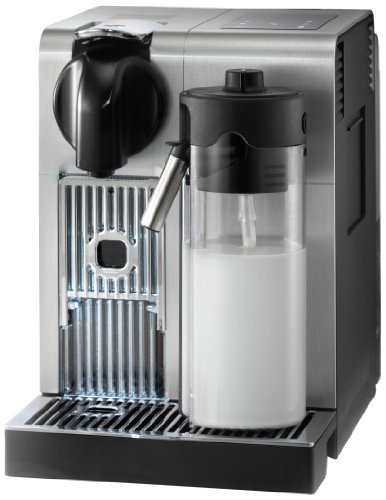
IT'S ALL ABOUT THE FOAM: The De’Longhi Automatic Cappuccino System creates perfectly layered espresso beverages, with dense, rich, long-lasting foam in every cup from start to finish
Chemistry of Coffee Compounds Released During Brewing

Espresso brewing involves the release of various chemical compounds that contribute to its flavor and aroma. Key coffee compounds, such as chlorogenic acid, dominate the extraction process, influencing both the taste profile and potential health benefits of brewed espresso. The concentration of total dissolved solids (TDS) is directly related to the weight of the coffee in capsules; increased weight typically results in a richer flavor, indicated by higher TDS. Additionally, particle size distribution plays an essential role in espresso extraction. Finer particles, less than 100 µm, enhance extraction efficiency but can complicate the process. Volatile compounds, like pyrazines and esters, greatly enrich aroma complexity, with analyses revealing up to 390 different volatile compounds in coffee capsules. The choice of grind size variety can also significantly impact the overall extraction quality and flavor profile.
Capsule Design and Its Influence on Extraction Efficiency
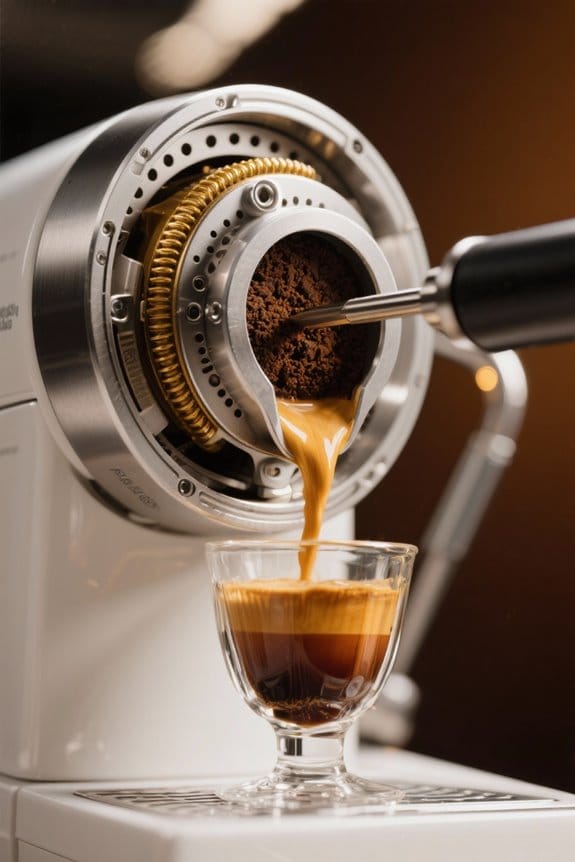
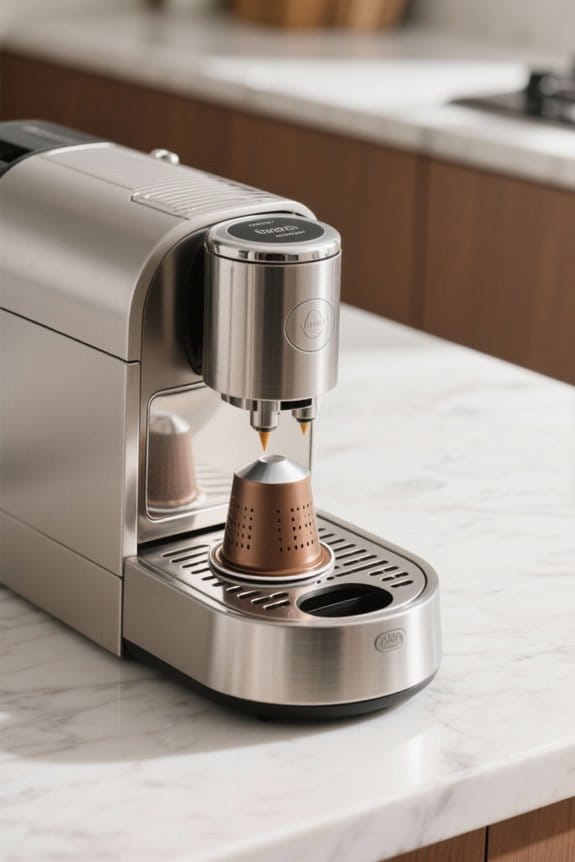
An effective capsule design is vital for maximizing espresso extraction. Coffee capsules, especially those used in Nespresso®, feature a well-engineered O-ring for hermetic sealing, which prevents air introduction and maintains internal pressure during brewing. This design minimizes oxidation and preserves flavor quality. In addition, the lid’s perforation employs a “waffle” pattern that promotes controlled water flow through the coffee grounds, enhancing extraction efficiency. Moreover, the density of the coffee influences extraction; for example, higher density beans like Yirgacheffe facilitate superior extraction compared to lower density alternatives. Likewise, the amount of coffee in capsules affects extraction speed—insufficient headspace can lead to channeling, while ideal filling practices are essential for achieving a rich, flavorful espresso. Furthermore, eco-friendly materials used in capsule production can also impact the overall quality of the brew by ensuring that no chemical leaching occurs during extraction.
Recommended Products

Airtight Coffee Canister: The ROK Zero-Air coffee canister features a patented plunger lid that removes air and seals in freshness, ensuring your coffee stays fresh for longer. This innovative design is ideal for maintaining the flavor and aroma of your beans or grounds.

1.Special Designed for Nespresso Original Machines:This PHMEZLF aluminum coffee capsules pod is compatible for nespresso originalline machine like U, Umilk, Pixie, CitiZ, Inissia, Lattissima, Maestria, Essenza Mini, Creatista etc. (Note: Our fillable coffee pods are not compatible with VertouLine Machine.)

Analyzing Sensory Qualities of Espresso From Capsules
Analyzing sensory qualities in espresso from capsules reveals intricate relationships between various factors that influence the drink’s flavor profile. Different commercial capsules exhibit variability in sensory quality influenced by extraction conditions, including the amount of coffee and roast level. The total dissolved solids (TDS) concentration correlates closely with the weight of coffee used, affecting attributes such as acidity, bitterness, and sweetness. Additionally, extraction using finely ground coffee enhances efficiency but may complicate the flavor profile. Principal Component Analysis (PCA) highlights essential traits, suggesting that the inherent quality of green coffee considerably impacts the overall sensory experience. This complexity underscores the dynamic interplay of coffee beans and extraction methods within the modern coffee market, particularly noting that pressure range is crucial for optimal flavor extraction.
Exploring the Relationship Between Roast Level and Extraction
When examining the relationship between roast level and espresso extraction, it becomes evident that roast characteristics play an essential role in determining the final flavor profile. Typically, darker roast levels, around 80-85 on the Probat Colorette 3b, enhance flavor extraction and overall beverage quality. High-density green coffees, such as Yirgacheffe at 850g/L, considerably improve extraction efficiency in coffee capsules compared to lower density varieties like Moonsoned Malabar at 670g/L. The roasting degree also impacts solubility and oil content, with darker roasts providing superior results. Additionally, grind size affects extraction; finer grinds lead to faster extraction but risk over-extraction if not adjusted correctly according to roast levels. Ideal roasting parameters are vital for maximizing flavor extraction in capsules. Furthermore, Folgers coffee pods offer a variety of flavors that cater to different taste preferences, enhancing the overall coffee experience.
Recommended Products

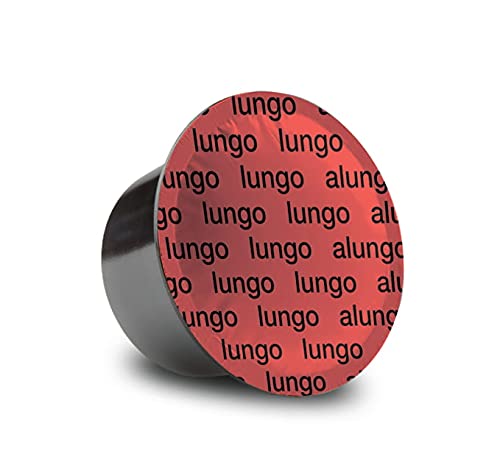
☕ MEDIUM ROAST – INTENSITY & BALANCE Crafted for a smooth, bold espresso experience with moderate roast intensity and rich body.

Future Trends in Capsule Coffee Technology
The advancements in coffee roasting and extraction techniques set the stage for the evolution of capsule coffee technology. The capsule market is projected to grow at a CAGR of 8.5%, reaching USD 29 billion by 2026, reflecting strong consumer interest in espresso capsules. Enhanced grinding technologies, such as multi-stage grinders, optimize particle size to improve extraction parameters, essential for maximizing flavor profiles. Additionally, innovative capsule designs utilize advanced barrier materials to protect coffee from air, humidity, and light, preserving freshness. Sustainable practices are increasingly important, with brands adopting eco-friendly materials and processes to meet consumer demand. Future research will further investigate the impact of various grinding methods and extraction parameters on brew quality, enhancing the sensory experiences of capsule coffee users. Regular descaling maintenance is crucial for ensuring that machines operate efficiently and produce high-quality coffee, further driving interest in capsule coffee technology.
Recommended Products
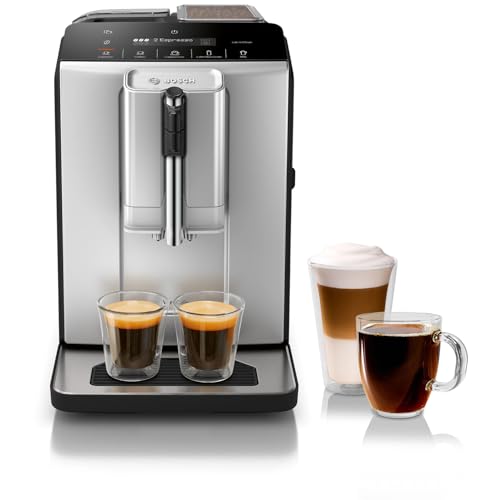
BEAN TO CUP, ONE TOUCH BREWING – Freshly grind whole beans and brew espresso, cappuccino, or latte macchiato

EFFORTLESS COFFEE & ESPRESSO AT YOUR FINGERTIPS - This versatile Automatic Espresso Coffee Machine effortlessly brews both coffee and espresso using cialda paper pods. Enjoy the convenience of crafting your favorite hot beverages in seconds, anytime. Say hello to hassle-free coffee perfection with our Single-serve Coffee maker for Cialda Paper Pod.

NESPRESSO PROFESSIONAL MACHINE BUNDLE: This machine bundle includes a Nespresso Zenius machine, a Quick Startup Guide and two pre-labeled Recycling Bags.
Frequently Asked Questions
What Is the Science Behind Espresso Extraction?
The science behind espresso extraction involves grinding techniques, ideal water temperature, and precise pressure dynamics, affecting coffee solubility and extraction yield, which are vital for flavor compounds and crema formation during the ideal brewing time.
What Is the 2:1 Rule for Espresso?
The 2:1 ratio dictates that for every two grams of coffee, one gram of espresso should emerge, optimizing extraction yield. This equilibrium enhances brew strength, flavor balance, and crema quality, influenced by grind size and water temperature.
How Does an Espresso Capsule Work?
An espresso capsule operates through precise capsule design, controlling pressure and water temperature. By optimizing brewing time and coffee grind, it enhances extraction efficiency, preserving flavor compounds, all thanks to advanced packaging technology.
What Is the 30 Second Rule for Espresso?
“Good things come to those who wait.” The 30-second rule for espresso balances extraction time, grind size, and pressure variables, influencing the flavor profile, crema thickness, and brew ratio, while considering coffee origin and temperature control.