As an Amazon Associate, we earn from qualifying purchases. Some links on this site are affiliate links at no extra cost to you. Our recommendations are based on thorough research and editorial judgment.


Are Coffee Pods Eco-Friendly? A Data-Driven Look

Coffee pods have a mixed environmental profile. Manufacturing and disposal generate approximately 27 grams of CO2 equivalent per pod, lower than emissions from traditional brewing methods. However, they contribute to around 576,000 metric tons of global waste annually, with limited recycling rates of 36% in the U.S. and only 11% in Brazil. While they save 11 to 13 grams of coffee per serving, improvements in recycling practices and innovations in biodegradable options are essential for a sustainable future. Further insights reveal evolving industry trends and challenges.
Key Takeaways
- Coffee pods produce significantly lower greenhouse gas emissions than traditional coffee methods, generating 1.5 times less CO2 on average.
- Single-use coffee pods save coffee resources by minimizing overuse, ensuring precise ingredient measurements.
- Current recycling rates for coffee pods remain low, with the U.S. at 36-37% and Brazil only 11%, leading to considerable waste.
- Innovations in biodegradable and compostable coffee pods are emerging to address environmental concerns and improve sustainability.
- Major manufacturers are under pressure to enhance recycling efforts and adopt sustainable practices to reduce the overall environmental impact of coffee pods.
Understanding the Environmental Impact of Coffee Pods
You may be interested



While evaluating the environmental impact of coffee pods, it becomes essential to recognize both the benefits and drawbacks associated with their use. Recent analyses reveal that coffee pods generate approximately 27g of CO2 equivalent during manufacturing and disposal, considerably lower than traditional filter coffee methods, which contribute higher greenhouse gas emissions. Remarkably, coffee production itself accounts for 40% to 80% of total greenhouse gas emissions, indicating that farming practices are often the major contributor. Additionally, coffee pods can reduce coffee and water overuse by delivering precise doses. Innovations such as biodegradable coffee pods, made from plant-based materials, are emerging to address the environmental concerns associated with conventional plastic and aluminum pods, potentially offering more sustainable solutions. Furthermore, using reusable K-Cups promotes a significant reduction in landfill waste and encourages more sustainable coffee consumption habits.
Comparing Brewing Methods: Emissions and Efficiency

When comparing different coffee brewing methods, it becomes evident that each technique has its own unique emissions and efficiency profiles. Coffee drinkers use various brewing methods, each with diverse environmental impacts. Single-use coffee pods generate approximately 27 grams of CO2 equivalent per pod, which is considerably lower than traditional filter coffee machines, emitting about 1.5 times more. Additionally, coffee pods can save between 11 to 13 grams of coffee, thereby reducing resource waste. In contrast, brewing with a Moka pot results in even lower emissions, while soluble coffee ranks as the most eco-friendly method due to its impressive energy efficiency. Overall, the majority of coffee’s emissions occur during bean production, highlighting the need for a holistic view of these brewing methods’ environmental benefits. Incorporating reusable K-Cups can further enhance sustainability efforts by minimizing waste associated with single-use pods.
Recommended Products
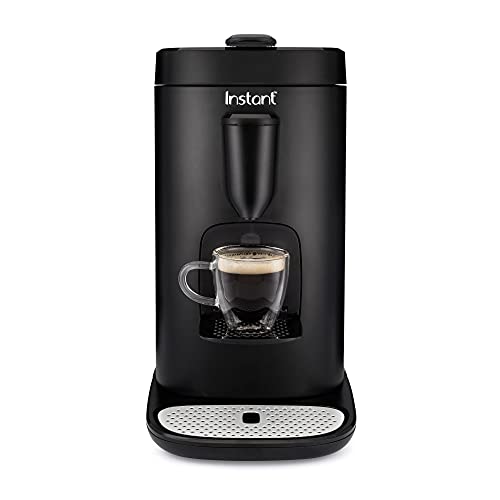
Compatible with all single-serve K-Cups, generic universal reusable K-Cups, and original Nespresso-style capsules

Features revolutionary Keurig 2.0 Brewing Technology

Single-cup home brewing system for use with patented K-Cups
Recent Study Findings on Coffee Pod Sustainability

Recent findings from a study conducted by the University of Quebec reveal important insights into the sustainability of coffee pods. The research indicates that single-use coffee pods produce 1.5 times fewer greenhouse gases compared to traditional coffee machines. Additionally, coffee pods offer precise ingredient measurements, minimizing coffee and water overuse, which also reduces CO2 emissions from cultivation. While the pods contribute to significant waste—about 576,000 metric tons globally—their production emits around 27 grams of CO2 equivalent per pod, lower than excessive coffee production. Moreover, the emergence of environmentally friendly alternatives, such as compostable coffee pods, signals a shift towards more sustainable options in the industry. These findings highlight the nuanced environmental impacts of coffee brewing methods, particularly as consumers increasingly choose eco-friendly coffee pod options that help reduce landfill waste.
Recommended Products

240 Bold & Brazen: Like a kick in the cup! This bold blend offers a rich deep flavor with a smokey cocoa finish. Be bold and brazen without shame.

240 Defiantly Decaf - You won't believe this is decaf. It's a champion of deep, dark, rich characteristics. It's been washed of its caffeine, but is drowned in flavor.

A premium single serve coffee for exquisite tastes
The Role of Coffee Manufacturers in Emissions

Coffee manufacturers play an essential role in the environmental footprint of coffee pods, particularly influencing emissions and waste management practices. Keurig Dr Pepper primarily uses plastic to produce its coffee pods, a material challenging to recycle due to its fossil fuel origins, contributing to significant environmental concerns. Each year, coffee pod production and disposal generate around 576,000 metric tons of global waste. This is exacerbated by recycling rates in the U.S., estimated at only 36% to 37%. In contrast, Nespresso invests over $35 million annually in improving pod recycling options. However, corporate sustainability claims often focus on proprietary emissions data, complicating full assessments of ecological impacts related to coffee pod manufacturing and their disposal. The rise of compostable K-Cups reflects a growing consumer demand for sustainable coffee options.
Waste Management Challenges: Recycling Rates

Waste management challenges considerably impact the recycling rates of coffee pods in various regions. In the United States, recycling rates for coffee pods are estimated between 36% and 37%, indicating that a significant portion still ends up in landfills. Brazil’s situation is even more concerning, with only 11% of coffee capsules recycled as of 2017. Keurig Dr Pepper’s coffee pods, primarily made from plastic, face hurdles due to their complex recycling processes, contributing to waste accumulation. In contrast, Nespresso’s aluminum pods demand more attention, as the company invests over $35 million annually in recycling initiatives. Collectively, global production and disposal of coffee pods result in around 576,000 metric tons of waste each year, underscoring the pressing environmental challenge of single-use coffee products. The environmental impact of coffee filters also plays a role in the overall waste reduction strategy.
Recommended Products
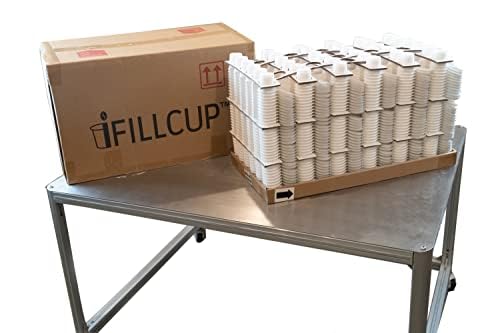
Finally, You Can Brew Coffeehouse Quality in Your K Cup Brewer - Our patented ultrafine DeepBrew filter in iFillCup is designed to hold up to 50% more coffee as well as to make sediment-free and insanely rich brew, which is not possible with any other reusable filter. It has been selected by hundreds of artisan roasters and won numerous Gold medals in the prestigious Golden Bean competitions worldwide. With 50% more coffee in a pod, you can now brew two 8-oz cups or one large 16-oz mug to last through your morning commute.
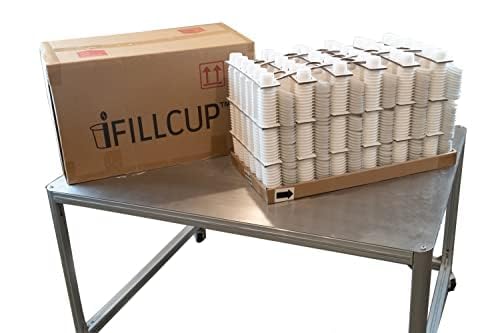
Finally, You Can Brew Coffeehouse Quality in Your K Cup Brewers - iFillCup has been selected by hundreds of premiere coffee roasters worldwide and won multipe Gold medals in GoldenBean competitions (see videos). Its patented DeepBrew filter allows you to fill up to 50% more coffee and make insanely rich brew, not possible with any other pods.

MULTISTREAM TECHNOLOGY: Extracts full flavour and aroma in every brew
Innovations in Eco-Friendly Coffee Solutions
Innovative solutions are emerging in the domain of eco-friendly coffee products, addressing the environmental concerns posed by traditional coffee pods. Companies like Migros are introducing “coffee balls” with a seaweed-based coating, offering a fully compostable alternative to plastic and aluminum pods. The market for biodegradable and compostable coffee pods has expanded, with many brands utilizing renewable plant-based materials. Investment in research and development has surged, leading to innovations that enhance compostability and break down efficiently in compost systems. Collaborative efforts between coffee brands and environmental organizations promote sustainable practices, reducing landfill waste. These advancements reflect rising consumer preferences for responsible, eco-friendly coffee solutions, effectively meeting the demand for sustainability in today’s marketplace. Additionally, many brands prioritize plant-based materials in their pod production to further enhance their environmental impact.
Recommended Products
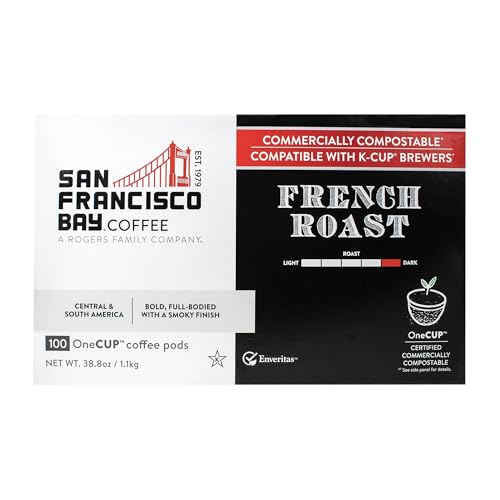
100% Arabica Beans- Hand-picked and grown at high altitudes in Central and South America | Tasting Notes: Rich, Dark Chocolate, Toasted Cinnamon, Full-bodied, Smoky Finish

Contents: One box of 96 count Happy Belly Breakfast Blend Coffee Pods (Light Roast)

Product packaging may vary: Our Favorite Four Variety Pack says it all with French Roast, Fog Chaser, Organic Rainforest Blend, and Breakfast Blend. Fabulous choices.
The Importance of Consumer Awareness and Education
As consumers increasingly recognize the environmental impact of their choices, awareness and education regarding sustainable coffee pod options have become essential. Brands like Nespresso invest over $35 million annually in recycling initiatives, addressing consumer concerns. Currently, the recycling rates for coffee pods in the U.S. hover around 36% to 37%, underlining a need for improved education on disposal practices. In Brazil, only 11% of coffee capsules were recycled as of 2017, emphasizing that informed consumers can change this statistic. Research shows that compostable pods markedly reduce waste, while traditional filter coffee machines produce up to 1.5 times more emissions than coffee pods. Enhanced consumer awareness of eco-friendly practices can lead to more sustainable choices and a decrease in overall environmental impact. Additionally, the use of reusable K-Cups not only cuts down on waste but also provides an opportunity for coffee lovers to customize their brews.
Broader Climate Solutions and Their Relevance
While individual consumer choices, such as the use of coffee pods, play a role in environmental discussions, they often overshadow the larger systemic issues that contribute to climate change. Coffee production is responsible for 40% to 80% of total greenhouse gas emissions, indicating that the conversation should extend beyond brewing methods to encompass agricultural practices. Implementing sustainable practices in coffee cultivation can substantially reduce climate impact. Additionally, emphasizing corporate responsibility is vital, as major companies can drive significant change in production methods, packaging, and waste management. A collective approach, focusing on detailed environmental reforms in the coffee industry, can amplify climate solutions. This broader discourse is essential to addressing the root causes of climate change effectively, rather than merely critiquing individual choices. Moreover, utilizing eco-friendly materials in coffee brewing systems can contribute to reducing waste and promoting sustainability in the industry.
The Future of Coffee Production and Supply Chains
A significant shift is occurring in the future of coffee production and supply chains, driven by climate change and environmental sustainability. Climate change poses serious threats, as rising temperatures reduce suitable land for coffee cultivation. This results in unpredictable weather patterns that additionally challenge production. Importantly, agricultural practices in coffee farming contribute 40% to 80% of greenhouse gas emissions, with deforestation intensifying the environmental impact. To combat these issues, innovations like plant-based coffee pods promote sustainable packaging solutions. Moreover, collaboration between producers and suppliers is vital for adopting sustainable practices throughout the supply chain. Continuous research into environmentally friendly coffee production methods is essential for maintaining long-term viability, particularly as global coffee availability may be severely affected by ongoing climate challenges. Additionally, the rise of sugar-free coffee syrups offers consumers a guilt-free way to enhance their coffee experience while supporting health-conscious choices.
Perspectives From Environmental Experts and Organizations
Environmental experts and organizations emphasize the complexity of evaluating coffee pods from a sustainability perspective. While coffee pods generate lower greenhouse gas emissions than traditional filter coffee, they produce substantial plastic and aluminum waste, totaling about 576,000 metric tons globally each year. With a U.S. recycling rate estimated between 36% and 37%, significant improvements in recycling practices and infrastructure are essential. Coffee production itself contributes 40% to 80% of overall greenhouse gas emissions across brewing methods, overshadowing waste from coffee pods. Innovations like Migros’ compostable coffee balls signify a shift towards sustainable coffee solutions, meeting consumer demand for eco-friendly products. Experts stress the importance of analyzing the full life cycle of coffee products to understand their broader environmental impacts. Additionally, the use of metal filters in coffee brewing presents an eco-friendly alternative by significantly reducing waste associated with disposable options.
Frequently Asked Questions
Recommended Products

120 Medium Heroic - Be a Hero Today! This bold and burly blend comes from South America. It's sweet and slightly acidic tang satisfies the coffee crave.

240 Happy Hazelnut - Our Happy Hazelnut is a heavenly blend of premium beans tossed with natural hazelnut oils and nut dustings offering a deep rich flavor that satisfies the palate.

7 Varieties of Compatible Coffee Pods
Are Coffee Pods Environmentally Friendly?
Coffee pods are not environmentally friendly, despite alternative compostable options emerging. Their carbon footprint remains significant, compounded by consumer habits and the lack of extensive recycling initiatives, prompting a need for more sustainable alternatives within the coffee industry.
Do Keurig Pods Leach Microplastics?
Research indicates that Keurig pods do leach microplastics, raising concerns about health and environmental impact. Increasing consumer awareness fosters demand for alternative brewing methods, highlighting the necessity for improvements in pod manufacturing processes to reduce contamination.
Are Nespresso Pods Ethically Sourced?
Nespresso pods are considered ethically sourced due to their sourcing policies, which emphasize sustainable practices, ethical certifications, and support for fair trade initiatives, thereby enhancing consumer awareness about responsible coffee consumption and farming practices.
Do Coffee Pods Actually Get Recycled?
Despite potential, coffee pods face significant recycling challenges; with 36% recycling rates within the U.S. largely stemming from composite materials and consumer habits. This underscores the critical need for improved waste management to reduce their environmental impact.