As an Amazon Associate, we earn from qualifying purchases. Some links on this site are affiliate links at no extra cost to you. Our recommendations are based on thorough research and editorial judgment.

How Capsule Machines Changed Home Coffee Culture

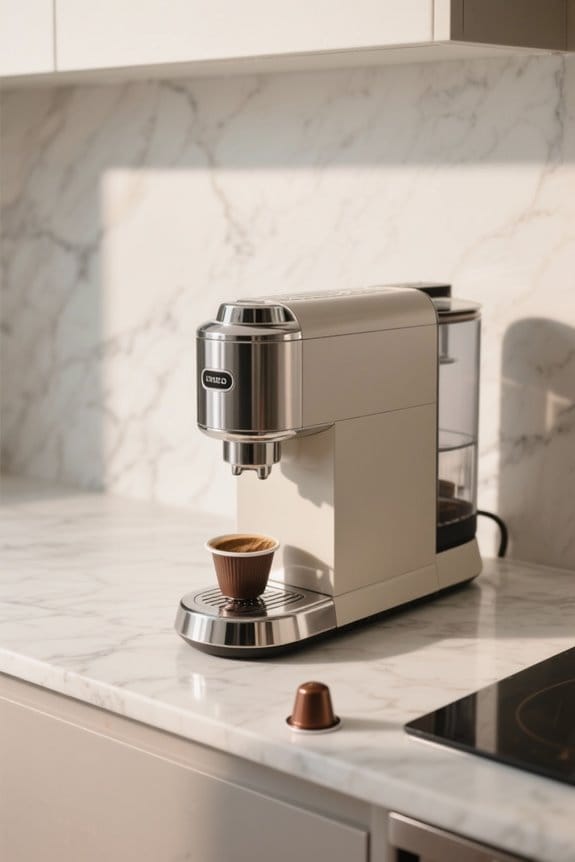
Capsule machines, pioneered by Nespresso in the 1980s, transformed home coffee culture by providing an effortless brewing option. They offer consistent flavor and quality in under a minute, appealing to both casual drinkers and coffee aficionados. Over 14 billion capsules sold annually indicate a significant trend toward at-home brewing. Enhanced by the influence of social media, the coffee prosumer emerged, driving demand for specialty flavors. Sustainability concerns regarding aluminum waste are prompting innovations in biodegradable options, signaling an evolving market. More insights follow.
Key Takeaways
- Capsule machines transformed home brewing by offering convenience and speed, allowing users to brew quality coffee in under a minute.
- Pre-packaged coffee capsules ensure consistent flavor, catering to consumers’ desire for café-quality beverages without expertise.
- The emergence of coffee prosumers led to increased demand for premium and diverse coffee flavors, enriching the at-home coffee experience.
- Social media platforms amplify coffee culture, influencing consumer choices and promoting capsule-based brewing through visually appealing content.
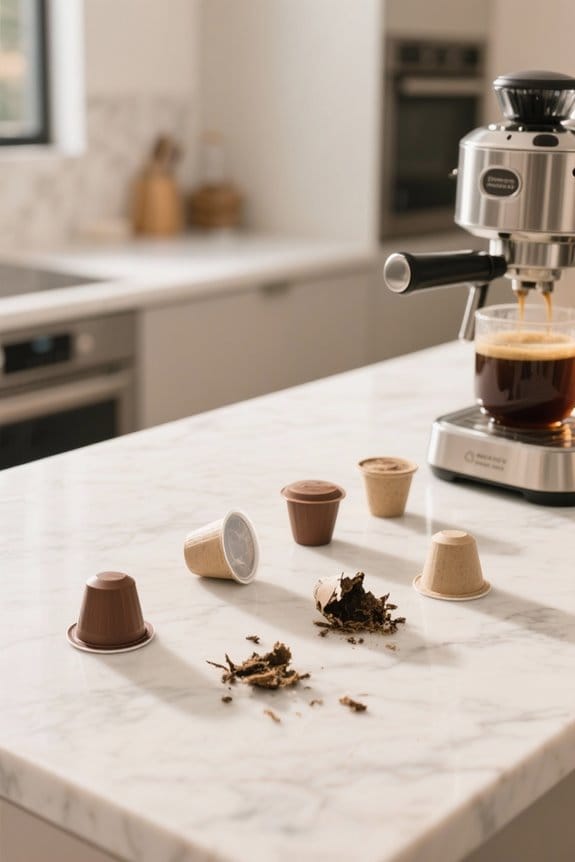
- Sustainability challenges from aluminum capsules prompted innovations in biodegradable and compostable alternatives, addressing environmental concerns in home coffee consumption.
The Inception of Capsule Machines and Nespresso’s Role
You may be interested


As the demand for convenient coffee solutions grew, Nespresso emerged as a pivotal player in the coffee industry. Founded by Nestlé in the late 1970s, Nespresso introduced its first patented coffee capsule system in 1986, revolutionizing home coffee preparation. The innovative design of capsules preserved coffee freshness and eliminated the need for grinding and measuring, catering to consumer preferences for convenience and quality. Nespresso home coffee machines gained immense popularity, providing consistent brewing quality, which contributed to their global expansion with over 400 boutiques in 84 countries. By 2013, Nespresso had reported approximately $10.8 billion in revenue, cementing its status as a luxury brand synonymous with high-quality coffee, even as it democratized specialty coffee experiences for everyday users. Additionally, the introduction of pod coffee makers has further enhanced the variety of brewing options available for consumers at home.
Convenience and Consistency: Redefining Home Brewing
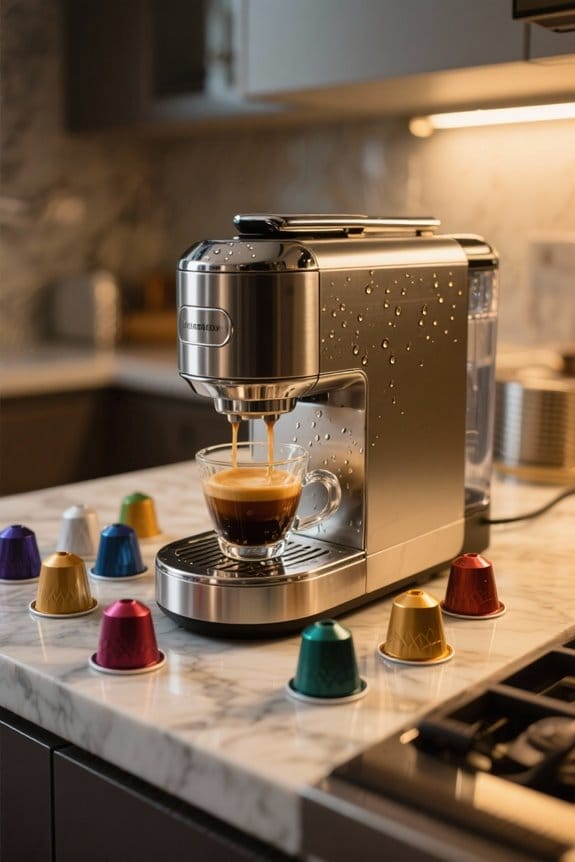
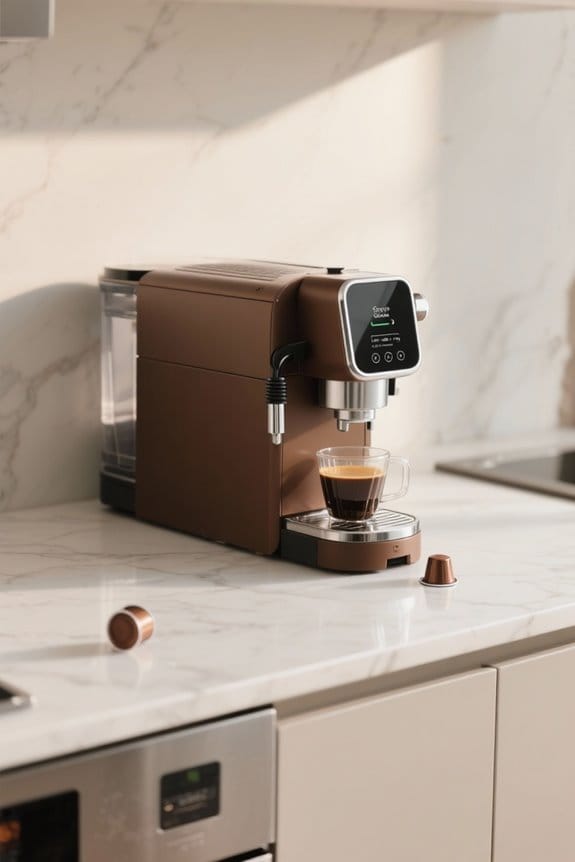
Given the fast-paced lifestyle of modern consumers, capsule machines have risen to prominence as a preferred method for home coffee brewing. Since their introduction in 1994, exemplified by the Nespresso machine, these systems have transformed coffee consumption. The convenience of brewing coffee in under a minute appeals to those seeking ease of use in their daily routines. Each coffee capsule is pre-packaged, ensuring consistency in flavor and quality with every cup. With over 14 billion capsules sold annually, the coffee market has shifted considerably towards at-home brewing. Users can replicate café-quality espresso-based drinks without advanced skills, democratizing gourmet coffee experiences. Consequently, capsule machines have redefined the standards of convenience and consistency in home brewing. Additionally, the quick heat-up times of these machines enhance their appeal, allowing users to enjoy their coffee without long waits.
Recommended Products

VERSATILITY: Experience a new world of indulgence with exclusive Sweet Foam function – freshly ground, not capsuled – choose from 31 options.

ONE TOUCH: Prepare 15 barista quality specialties including espresso, coffee, cappuccino, flat white and latte macchiato at the touch of a button.Filter type:Reusable
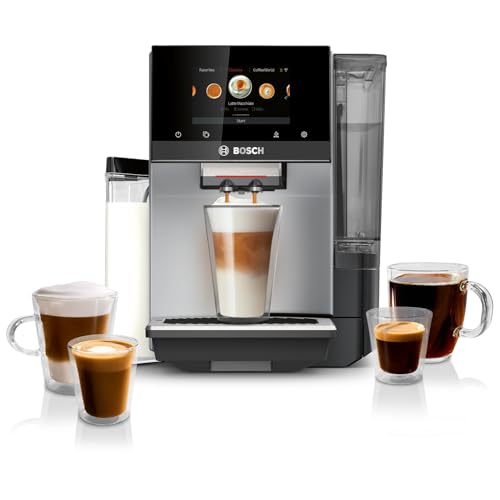
SIMPLIFY AT-HOME COFFEE BREWING: Whether you're in the mood for a latte macchiato, cappuccino, or espresso, the large touchscreen display makes it easy to make and personalize each drink
The Rise of the Coffee Prosumer in a Capsule World
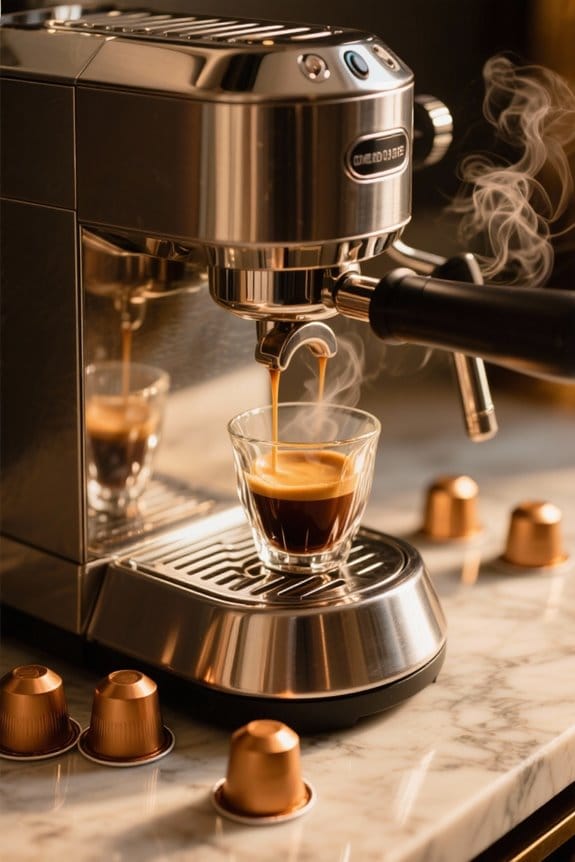
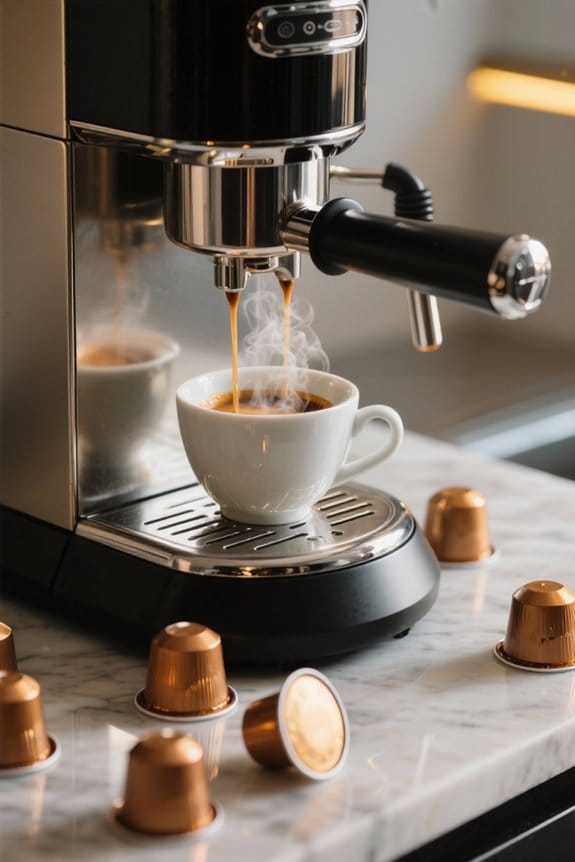
How has the emergence of capsule machines influenced the modern coffee consumer? The introduction of Nespresso capsules transformed home brewing, providing unparalleled convenience and high-quality brews. This innovation attracted a new segment of consumers known as coffee prosumers. These individuals actively engage in enhancing their coffee experiences, seeking the perfect cup from home espresso machines. The rise of prosumers has markedly increased demand for premium capsules, fueling a flourishing specialty coffee market. In addition, diverse flavors now compete to satisfy refined palates. As brands innovate, offering unique blends and artisan options, consumers become more sophisticated in their choices, ultimately shaping the evolving coffee culture. This trend exemplifies a shift towards quality and personalization in everyday coffee consumption, with many opting for Kirkland coffee pods to explore various flavor profiles and enhance their brewing experience.
Recommended Products

VERSATILITY: Compact automatic coffee machine for the espresso and coffee connoisseur
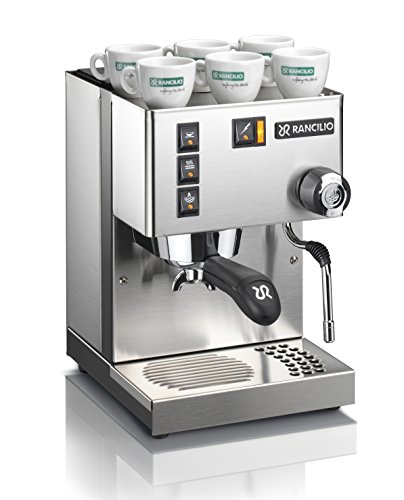
Ergonomic porta filter handle same as the proven design of Rancilio commercial machines

Designed with an ultra-compact 7.5" wide footprint that seamlessly fits into small kitchens, studio apartments, office break rooms, or any countertop where space is at a premium, while still delivering full-size café performance
Social Media’s Influence on Coffee Culture and Engagement
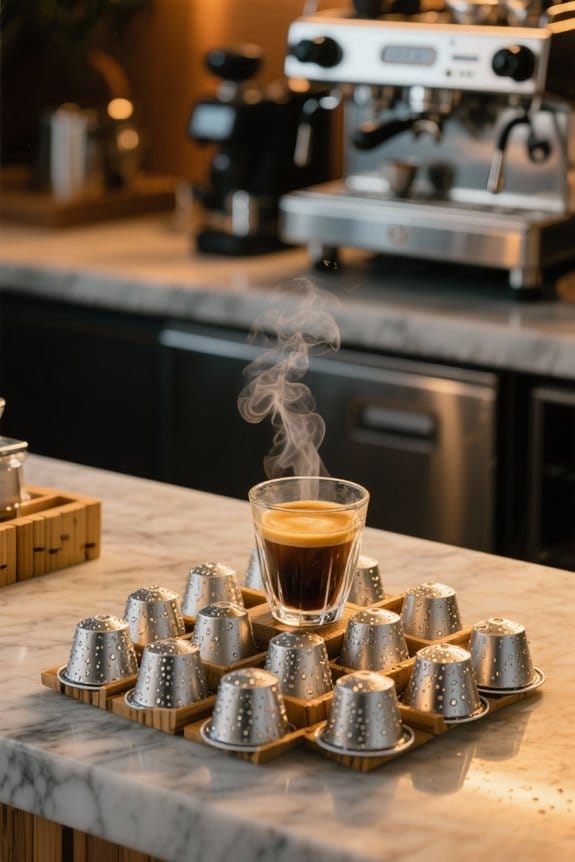
In recent years, social media has emerged as a powerful catalyst for shaping coffee culture and enhancing consumer engagement. Platforms like Instagram and TikTok have transformed coffee prosumers into influential voices, showcasing their capsule coffee brewing experiences. Influencers endorse specific capsule machines, illustrating their simplicity and the quality of home-brewed coffee, which drives consumer interest and brand loyalty. The visually appealing aesthetics of colorful coffee capsules attract attention, promoting a gourmet lifestyle associated with coffee consumption. Viral trends encourage engagement through shared home brewing techniques and diverse flavor experimentation. Online coffee communities flourish, providing forums for exchanging tips, reviews, and knowledge about coffee capsules and brewing methods, effectively revolutionizing home coffee practices and increasing demand for premium coffee products. Additionally, the rise of nitro cold brew makers has further diversified the home coffee experience, offering consumers a chance to create café-style beverages at home.
Sustainability Challenges and Future Prospects for Capsule Coffee
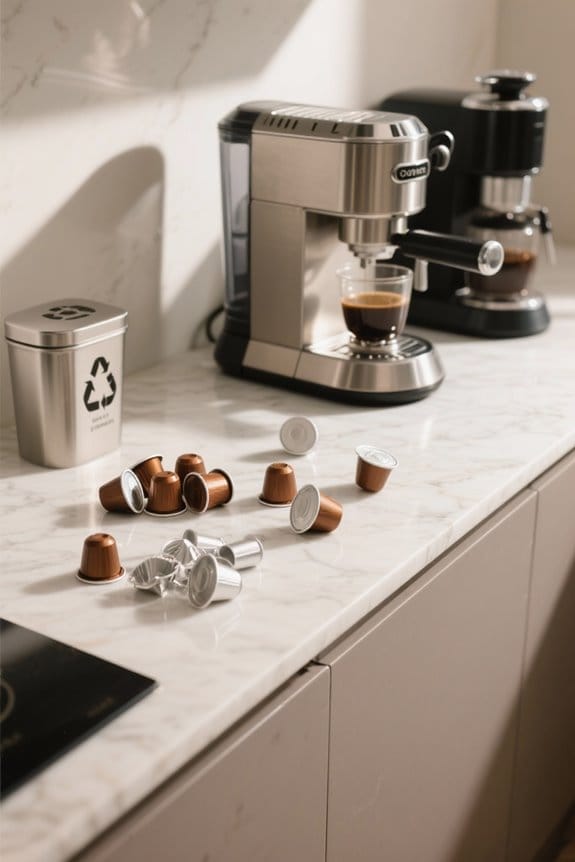
As consumers increasingly prioritize sustainability, the coffee industry faces significant challenges related to capsule production and waste management. Nespresso’s aluminum capsules, while popular, have sparked concern due to their environmental impact. The reported recycling rate of 30% may be as low as 5%, raising urgent questions about effective waste practices. Additionally, producing one ton of aluminum generates 10-12 tons of waste, underscoring the footprint of coffee pod consumption. In response to increasing consumer demand for sustainability, some companies are developing biodegradable and vegetable fiber-based capsules. This shift highlights the need for innovative technology and better recycling processes, essential for fostering responsible coffee consumption amid competition from cheaper alternatives that often compromise environmental practices. Brands like San Francisco Bay Coffee emphasize eco-friendly practices, using compostable materials in their pods to address these concerns.
Frequently Asked Questions
How Has Coffee Culture Changed Over Time?
Coffee culture transformed through evolving brewing methods, espresso evolution, and specialty cafes, prioritizing convenience and flavor profiles. Home rituals embraced international varieties while sustainability issues emerged, impacting social interactions and reflecting changing coffee trends globally.
Is It Cheaper to Do Pods or Grounds?
Ironically, while pods promise convenience and flavor consistency, the cost comparison reveals ground coffee as the economical choice. Brand differences complicate preferences, yet waste concerns and long-term savings underscore the environmental impact of disposable pods.
What Is the History of Capsule Coffee?
Capsule coffee history began with Nespresso’s capsule innovation in 1994, revolutionizing brewing techniques. This consumer convenience sparked brand competition, leading to diverse flavor variety while raising environmental impact concerns and influencing global market trends and user experience considerations.
What Are the Cons of Coffee Capsules?
Like a fleeting shadow, coffee capsules offer convenience but cast environmental impact concerns. Their plastic waste leads to poor recycling rates, while taste differences highlight limited variety and freshness, ultimately raising questions on health and quality comparison.