As an Amazon Associate, we earn from qualifying purchases. Some links on this site are affiliate links at no extra cost to you. Our recommendations are based on thorough research and editorial judgment.

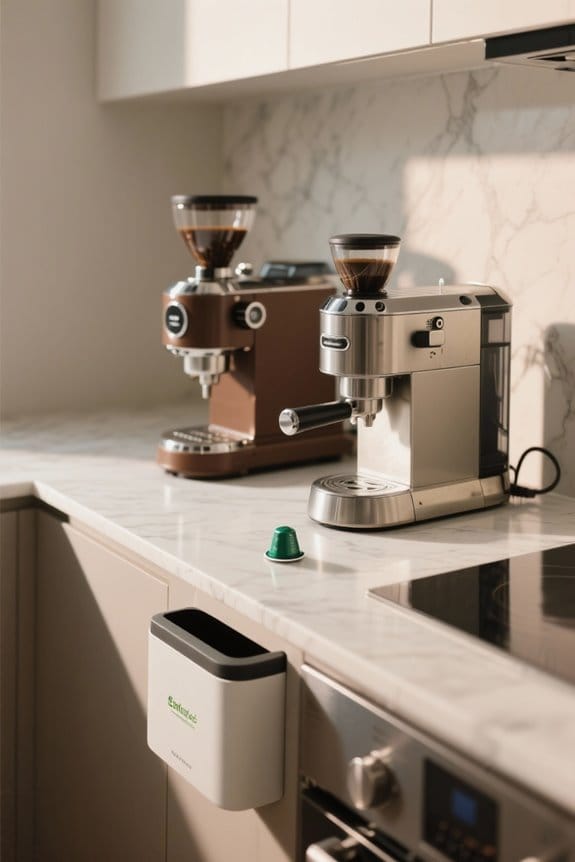
How to Properly Dispose of Used Coffee Pods

To properly dispose of used coffee pods, first check local recycling guidelines. Many K-Cups® are made from recyclable polypropylene (#5 plastic) but must be cleaned and disassembled. Use the Recycle A Cup® cutter to separate components, ensuring any plastic parts are discarded responsibly. Composting is an eco-friendly option, especially for biodegradable pods. Remove non-compostable materials before adding the coffee grounds to a compost bin. Engaging in these practices can enhance sustainability efforts. Explore further methods to reduce overall waste.
Key Takeaways
- Check local recycling programs to determine if K-Cups® or coffee pods are accepted and what components can be recycled.
- Use EASY-PEEL technology to separate the different parts of K-Cups® for proper recycling, including the plastic and aluminum components.
- Clean and rinse out coffee pods before disposal to prevent contamination in recycling streams.
- Compost used coffee pods made from biodegradable materials, removing any non-compostable plastic parts first.
- Consider switching to compostable coffee pods or reusable coffee filters to reduce waste and enhance sustainability.
Understanding Coffee Pods and Their Environmental Impact
You may be interested


Although coffee pods offer convenience for brewing a quick cup of coffee, their environmental impact raises significant concerns. Coffee capsules are primarily crafted from non-biodegradable materials, such as plastic and aluminum. Each year, millions of single-use pods are discarded, contributing substantially to urban solid waste and rising landfill levels. Additionally, the reliance on natural resources for production leads to notable greenhouse gas emissions, which exacerbate climate change issues. While aluminum coffee pods can be recycled into new products, many plastic versions pose recycling challenges that complicate waste management processes. This combination of factors underscores the need for consumers to understand coffee capsules’ ecological footprint, highlighting the importance of sustainable practices for reducing their environmental impact. Compostable pods, made from plant-based materials, offer a more eco-friendly alternative by significantly reducing plastic waste when disposed of properly.
Recycling Options for Coffee Pods
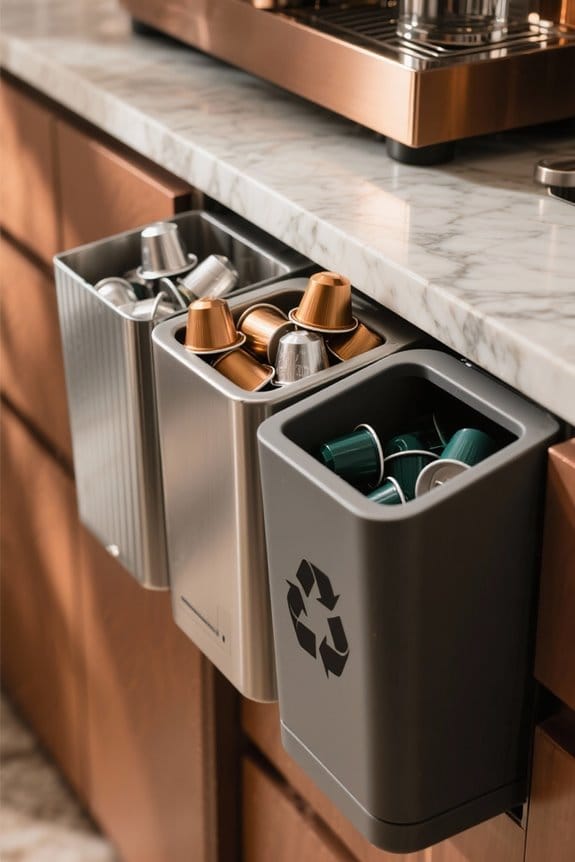
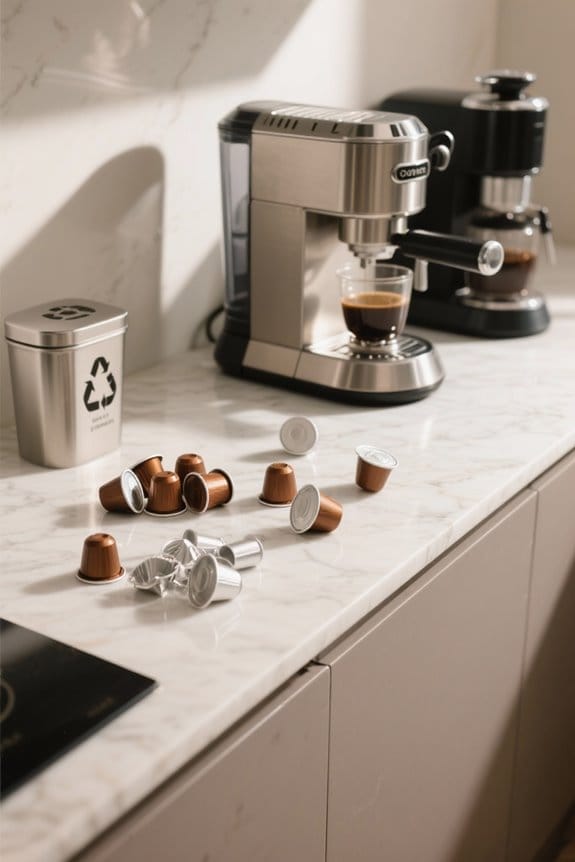
Recycling coffee pods presents an opportunity for environmentally conscious consumers to mitigate waste. Many K-Cups® are made from polypropylene (#5 plastic), recyclable in select areas; however, individuals must verify local recycling programs as acceptance varies. Keurig® offers the K-Cycle® program, allowing users to return used K-Cups® for responsible recycling. Additionally, Recycle A Cup® provides tools for disassembling pods, ensuring that recyclable components like plastic, aluminum, and coffee grounds are properly sorted. It is essential to wash out K-Cups® before disposal to prevent contamination within recycling streams. Moreover, compostable coffee pods made from biodegradable materials serve as an eco-friendly alternative, breaking down naturally and reducing plastic waste in landfills. These avenues enhance sustainable consumption practices greatly, promoting reusable K-Cup filters that significantly reduce landfill waste.
Recommended Products

240 Bold & Brazen: Like a kick in the cup! This bold blend offers a rich deep flavor with a smokey cocoa finish. Be bold and brazen without shame.

240 Defiantly Decaf - You won't believe this is decaf. It's a champion of deep, dark, rich characteristics. It's been washed of its caffeine, but is drowned in flavor.

A premium single serve coffee for exquisite tastes
Step-by-Step Guide to Recycling K-Cups

A structured approach is essential for effectively recycling K-Cups®. First, utilize the EASY-PEEL technology to separate K-Cups® into their recyclable components. The plastic cup, made from polypropylene (#5 plastic), is one piece, while the aluminum lid can also be recycled. Next, users can opt to use a reusable coffee filter instead of single-use pods, further reducing waste. Following that, check local recycling guidelines to confirm which parts of K-Cups® are accepted. Some communities may not process all components due to size restrictions. Additionally, consider using the Recycle A Cup® cutter to facilitate proper separation, ensuring better recycling outcomes. Finally, participants can utilize the K-Cycle® program by sending K-Cups® to designated bins for proper recycling disposal. Moreover, being aware of material quality and durability can guide consumers in choosing eco-friendly alternatives that contribute to sustainability efforts.
Recommended Products

Styled to impress, this coffee maker offers the features that everyone will value.Filter type:Reusable TOUCH SCREEN INTERFACE: An advanced full color touchscreen interface with adjustable brew temperature and programmable auto On/Off settings. POUR OVER WATER RESERVOIR: With a 90 oz., easy to fill, removable Water Reservoir, you can make up to 18 cups before refilling. Full color LCD touchscreen.

This refurbished product is tested and certified to look and work like new. The refurbishing process includes functionality testing, basic cleaning, inspection, and repackaging. The product ships with all relevant accessories, and may arrive in a generic box
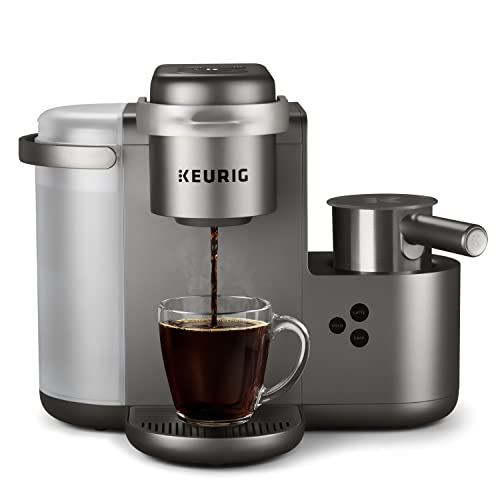
COFFEE, LATTES & CAPPUCCINOS: Use any K-Cup pod to brew coffee, or make delicious lattes and cappuccinos.
Composting as a Disposal Method

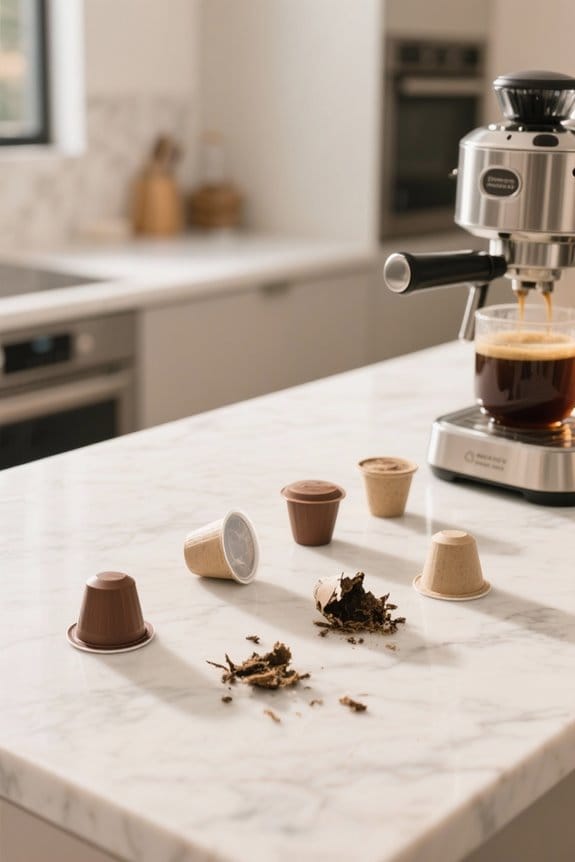
Composting presents a highly effective method for disposing of used coffee pods, especially for those containing organic materials like coffee grounds. These grounds are rich in nitrogen, which is essential for improving soil health. Many coffee pods, particularly those made from biodegradable materials, can be composted entirely after removing any plastic components. By cutting open these pods and adding the coffee grounds to a compost bin, individuals can create nutrient-rich compost that enhances garden soil. Additionally, composting can deter pests, as the strong aroma of coffee grounds repels insects like ants and snails. When used correctly, coffee grounds also improve moisture retention in the soil, fostering healthier plant growth while reducing the need for excessive watering. Furthermore, using compostable K-Cups helps to ensure that your coffee disposal is sustainable and eco-friendly.
Reusable Coffee Pods: A Sustainable Alternative

Reusable coffee pods offer a sustainable alternative to single-use capsules, considerably reducing waste. These pods allow consumers to select their preferred coffee grounds while minimizing environmental impact; many are designed to fit various brewing machines, including Keurig. High-quality reusable coffee pods are constructed from durable materials, ensuring longevity and effective performance. Switching to these reusable filters can lessen the volume of waste sent to landfills, with an estimated 30 billion single-use pods discarded annually. Additionally, consumers may achieve cost savings over time, as they no longer need to purchase disposable options repeatedly. Overall, reusable coffee pods present a practical and eco-conscious solution for coffee enthusiasts, promoting sustainable coffee consumption practices that benefit both the environment and personal finances.
Recommended Products

Premium Single-Serve Brewing: The Keurig K525 Plus Series brewer delivers consistently delicious coffee, tea, hot cocoa, and specialty beverages at the touch of a button, offering convenient single-serve brewing for your busy lifestyle

Keurig K75 Single-Cup Home-Brewing System with Water Filter Kit, Platinum

DRIP COFFEE: Experience convenience with fully automatic brewing and 24-hour programmability and enjoy up to 10 cups of coffee with the 10-cup insulated thermal carafe that keeps coffee hot for hours.
Creative Ways to Repurpose Used Coffee Pods
Repurposing used coffee pods presents multiple innovative options for creative minds looking to minimize waste. They can serve as tiny seed starters, promoting eco-friendly gardening by allowing users to initiate seedlings indoors before transferring them outdoors. Additionally, repurposed pods can transform into decorative hanging planters, which are suitable for indoor herb gardens or ornamental plants, fostering sustainability while enhancing home aesthetics. Craft projects, such as creating Halloween light decorations, offer another creative alternative, combining imaginative design with upcycling. Furthermore, K-Cups® can be utilized as organizers for small items, effectively lessening clutter while adding visual interest. Engaging in DIY arts and crafts with used coffee pods not only cultivates creativity but also encourages environmental awareness and upcycling initiatives in households. Using reusable coffee filters can further complement these eco-friendly practices by reducing waste from disposable products.
The Role of Corporate Initiatives in Recycling
The increasing awareness of environmental sustainability has prompted major coffee brands to implement extensive recycling initiatives. For example, Nespresso offers convenient return options for used capsules, enabling consumers to bring them back through stores or home collection. This initiative supports efficient recycling processes, as seen in their active participation campaigns that educate consumers and enhance waste management systems. Similarly, Mercadona has made recycling easier by providing designated containers in their stores. These corporate efforts focus on intensive cleaning processes at recycling plants, which eliminate coffee residues to prevent contamination. In addition, notable programs prioritize the separation of materials from used capsules, facilitating their transformation into new products. Such initiatives minimize the demand for raw materials, promoting a circular economy through effective recycling methods. Furthermore, brands like San Francisco Bay Coffee emphasize eco-friendly practices by using compostable materials in their products, further supporting sustainable brewing options.
Tips for Sustainable Coffee Consumption
A significant shift towards sustainable coffee consumption can be observed as consumers increasingly seek eco-friendly alternatives in their daily routines. One effective method is using reusable coffee filters or capsules, which reduce waste compared to single-use pods. Compostable coffee pods made from biodegradable materials also offer a smarter choice, as they break down naturally and minimize landfill overflow.
For those who prefer aluminum capsules, proper recycling is essential; they should be cleaned and emptied before being placed in the designated yellow bin. Additionally, joining community recycling initiatives, such as the Keurig’s K-Cycle program, supports responsible disposal. Finally, repurposing used coffee grounds in a compost bin for garden fertilizer further enhances sustainability, contributing to a healthier environment. Furthermore, many Senseo pods feature a compostable design that reduces environmental impact, making them a great option for eco-conscious consumers.
Recommended Products

Note: 1)Too coarse a grind, too little coffee, or insufficiently tamping the grounds before brewing can all lead to inadequate pressure for a proper brew. 2)It is important to note that the amount of espresso extracted will vary depending on the grind size and amount and reprogramming may be needed when the size and amount are adjusted

Product 1: 1,400 Watts, 120 VAC, Easily drains for transport and storage, In addition, this brewer cannot be plumbed to a water line
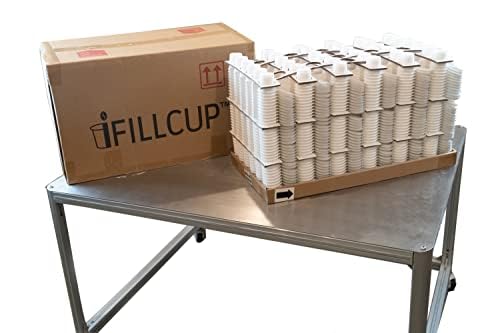
Finally, You Can Brew Coffeehouse Quality in Your K Cup Brewer - Our patented ultrafine DeepBrew filter in iFillCup is designed to hold up to 50% more coffee as well as to make sediment-free and insanely rich brew, which is not possible with any other reusable filter. It has been selected by hundreds of artisan roasters and won numerous Gold medals in the prestigious Golden Bean competitions worldwide. With 50% more coffee in a pod, you can now brew two 8-oz cups or one large 16-oz mug to last through your morning commute.
Frequently Asked Questions
How to Dispose of Used Coffee Pods?
To dispose of used coffee pods, check local recycling guidelines for acceptance. Consider recycling alternatives like composting used grounds and utilizing EASY-PEEL technology for easier separation, or opt for reusable coffee pods to minimize waste.
How Do You Dispose of Keurig Pods?
Disposing of Keurig pods involves rinsing them, removing coffee grounds, and utilizing pod recycling options. Some may doubt the effectiveness, but with initiatives like EASY-PEEL technology and the K-Cycle program, recycling becomes much more accessible.
Where to Throw Away Coffee Pods?
Coffee pods should be disposed of according to local recycling guidelines. Many areas offer pod recycling options, while some coffee pod brands provide compostable alternatives, ensuring more sustainable disposal practices for used coffee pods.
Can You Throw Nespresso Pods in the Garbage?
Throwing Nespresso pods in the garbage is not recommended. Adopting sustainability practices, such as utilizing Nespresso’s recycling program, guarantees responsible disposal and minimizes environmental impact by repurposing materials and encouraging composting of coffee grounds.