As an Amazon Associate, we earn from qualifying purchases. Some links on this site are affiliate links at no extra cost to you. Our recommendations are based on thorough research and editorial judgment.

The Recycling Process for Aluminum Capsules Explained

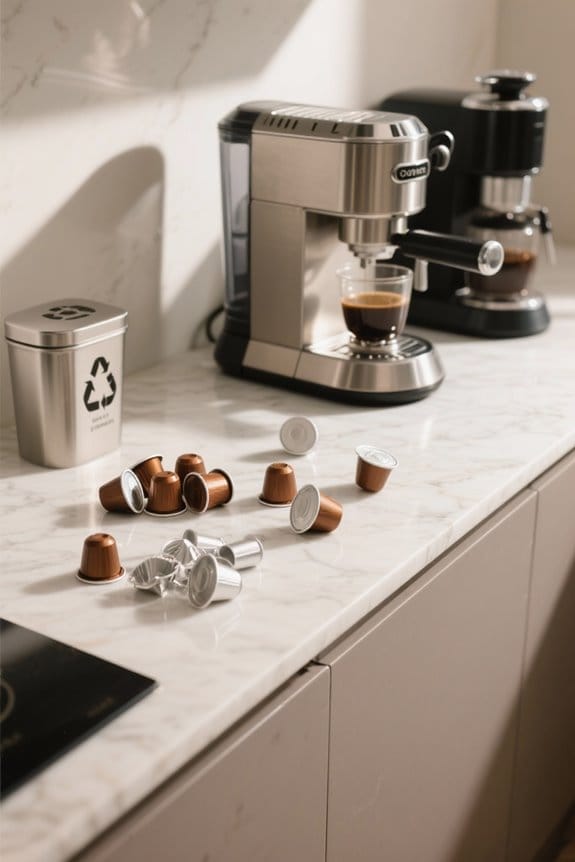
The recycling process for aluminum capsules consists of several essential stages. First, used capsules are collected, often at designated community points. Next, they are sorted using specialized technology to separate aluminum from any coffee grounds. Then, the capsules are cleaned, which may involve light rinsing. Afterward, the aluminum is shredded and melted at approximately 660 degrees Celsius. This process recycles aluminum efficiently, using 95% less energy than producing new aluminum. Understanding each step reveals the broader environmental implications.
Key Takeaways
- Used aluminum capsules are collected, sorted, and separated from coffee grounds through specialized technology to ensure high purity for recycling.
- Clean the capsules by peeling off the foil and rinsing lightly to enhance recycling efficiency and minimize contamination.
- Shredding the cleaned aluminum occurs prior to melting it at around 660 degrees Celsius in industrial furnaces for high-quality aluminum production.
- Eco-friendly recycling processes use 95% less energy compared to new aluminum production, significantly reducing carbon emissions during the manufacturing cycle.
- Active consumer participation in recycling programs and advocacy for sustainable practices can improve the overall recycling rates of aluminum capsules.
Understanding Aluminum Capsule Recycling
You may be interested


Aluminum capsule recycling plays an essential role in enhancing sustainability within the beverage industry. These aluminum capsules can be fully recycled, consuming up to 95% less energy compared to producing new aluminum from raw materials. The recycling process includes separating aluminum from coffee grounds, which can then be utilized for biogas production, thereby enhancing resource efficiency. Effective recycling requires thorough preparation, as removing coffee grounds is vital; any oversights can hinder successful processing. Significantly, nearly 75% of all aluminum ever produced remains in use today, illustrating substantial environmental benefits. Many local recycling programs target aluminum coffee capsules to divert waste from landfills, ultimately supporting a circular economy and reducing the carbon footprint associated with these products. Additionally, many reusable coffee cups are designed to prioritize easy cleaning methods, which can encourage more consumers to switch to sustainable options.
Collection and Sorting of Used Capsules

The efficient collection and sorting of used coffee capsules are vital steps in the recycling process. Many communities have established collection points, where consumers can deposit their used aluminum capsules instead of placing them in general recycling bins. This targeted approach promotes accessibility and encourages participation in dedicated recycling programs. Once collected, the used capsules are sent to recycling facilities equipped with specialized sorting technology. Here, aluminum is separated from coffee grounds and other materials through advanced processes, ensuring the aluminum maintains high purity. Effective sorting is essential, as it allows for the reuse of recycled aluminum in the production of new capsules or other industrial applications. Public awareness campaigns play an important role in improving consumer awareness about these correct disposal methods. Additionally, reusable K-Cups can help reduce the demand for single-use capsules, further promoting sustainability in coffee consumption.
Recommended Products
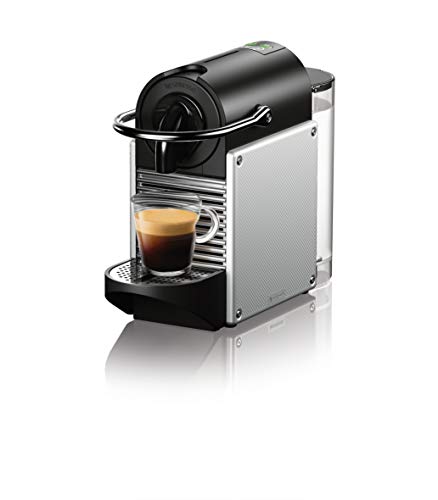
Powerful Coffee maker: Espresso Pixie Espresso maker has a 19 bar high-pressure pump that allows for a barista-style result, unlocking the delicate flavor of each coffee capsule.

2.5 Minutes Fast Self Heating: USE COLD WATER: press the power button for 2 seconds to start the heating and enjoy the coffee in about 2.5 minutes. USE HOT WATER: press the pump button for 5 seconds, you can get the aromatic coffee at once. The high pressure pump up to 15 bar allows a barista-style result, YOU CAN MAKE UP TO 8 CUPS OF ESPRESSO (40ML) FOR ONE CHARGE.

✨ 𝐇𝐲𝐠𝐢𝐞𝐧𝐞 & 𝐌𝐞𝐬𝐬-𝐅𝐫𝐞𝐞 Moist coffee grounds left after brewing quickly grow mold and produce odors, contaminating your coffee corner. Our dryer solves this issue with one touch, bringing long-lasting dryness and cleanliness to both home users and coffee bar accessories setups, perfectly complementing your espresso knock box
Cleaning and Prepping for Recycling

Preparing used coffee capsules for recycling involves several key steps to guarantee efficiency and effectiveness in the recycling process. First, allow the used aluminium coffee capsules to cool before handling to prevent burns. Next, carefully peel off the foil in a circular motion, confirming the capsule remains intact. This is essential for proper processing. Dispose of the leftover coffee grounds by composting, which enriches soil and helps reduce waste. Both the cleaned aluminium capsules and the foil can go directly into household recycling bins. However, it’s important to avoid placing them in general aluminium recycling bins to certify appropriate processing. While pre-cleaning is optional, a light rinse can enhance the recycling efficiency by removing residual coffee residue. Additionally, consider the importance of proper processing to ensure that the recycled materials are effectively utilized.
Recommended Products
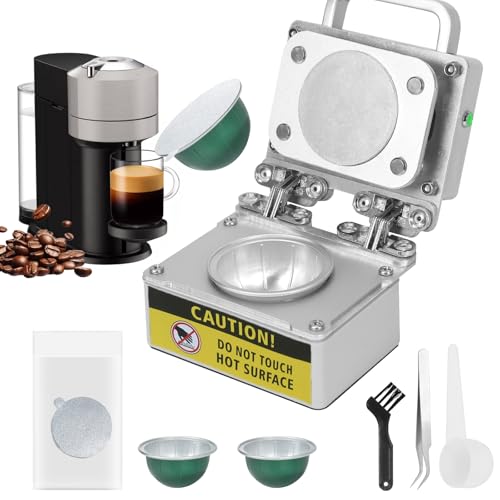
Say goodbye to expensive original capsules! With Vertuoline coffee, you can enjoy freedom and save on a coffee machine forever! —Original capsules are costly. This product is a one-time purchase that offers long-term savings. Experience its economic value with "coffee freedom" and "saving on a coffee machine" right away. Punk mechanical style.

Aluminum foil lid for k-cup coffee used for Keurig Machine Compatibility, K2 Compatible

【Truly Pre-filled Powders and Store for Fresh】Triplot Reusable Pods are specially designed a storage board with 6pcs silicone holders to truly realize pre-filled coffee powder.After pre-filled 6pcs capsules, you can put capsules back to the storage tray,it will keep your pre-filled coffee fresh for 7 days! Allowing more convenient for daily use.
The Shredding and Melting Process

Shredding begins the transformation of aluminum capsules into valuable raw materials. This process utilizes industrial pre-shredders that break down the capsules into manageable pieces, enabling efficient material separation during recycling. Once shredded, the aluminum undergoes a melting process at around 660 degrees Celsius. Specialized furnaces facilitate this change, maximizing energy efficiency while recovering high-purity aluminum suitable for new manufacturing. Advanced recycling technologies, such as densimetric separation tables, enhance the process by removing residual coffee grounds and other contaminants, ensuring high-quality output. After the melting process, the resulting aluminum can be cast into new forms, supporting the sustainable circular economy. This cycle of recycling guarantees that aluminum continues to serve valuable purposes indefinitely within various industries. Additionally, the energy-saving auto-off feature in some Keurig models highlights the importance of efficiency in both brewing and recycling processes.
Recommended Products

【Wide Application】Biaxial shredding machine, also known as shear shredding machine,can reduce the size of processed materials through cutting.tearing and extrusion operation. Widely used in waste plastic, waste rubber, waste cloth,wood, waste iron wire, waste aluminum wire, waste copper wire, kitchen waste and other waste.

High-Quality, OEM-Equivalent Parts at a Fair Price: ALFA International delivers premium replacement parts that meet or exceed original equipment manufacturer (OEM) specifications, ensuring peak performance of your foodservice equipment at significant savings versus OEM components. ALFA's products have a proven track record in the marketplace that is backed by an industry-leading warranty.
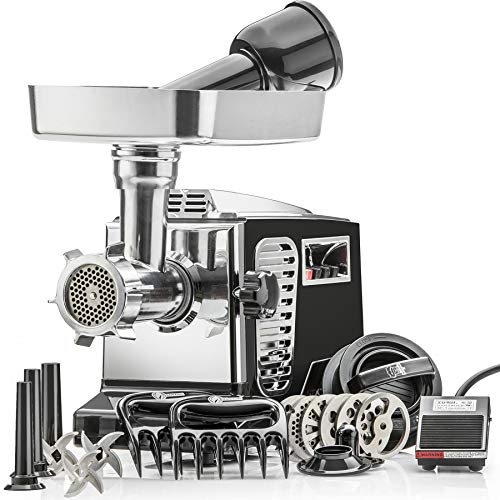
The STX International Turboforce II (Patented Air Cooled) Complete Home Grinding Package features a Heavy Duty 2000 Maximum Watt Electric Grinder and Features a High Capacity Meat Tray that easily holds over 3 Lbs. of meat.
Transforming Aluminum Into New Products

After the aluminum capsules are shredded and melted, they enter a new life cycle as raw materials for various products. This process exemplifies aluminium recycling, showcasing the material’s versatility in creating valuable new products. Recycled aluminum can be transformed into new coffee capsules, automotive parts, and construction materials, greatly impacting the coffee industry and beyond. The energy savings from recycling are remarkable, utilizing up to 95% less energy than producing new aluminum from raw sources. With approximately 75% of aluminum produced still in use today, this practice promotes sustainability. Additionally, recycling aluminum contributes positively to the environment, preventing around 170 million tonnes of greenhouse gases from being emitted annually, highlighting its substantial environmental impact. Furthermore, the use of eco-friendly materials in coffee accessories can further enhance sustainability in the coffee industry.
Recommended Products

SIGNATURE COFFEES AND ESPRESSOS: The Vertuo Lattissima coffee machine brews 6 sizes, including 5, 8, 12, and 18 fl. oz coffees, as well as single and double espressos. Brew hot or over ice
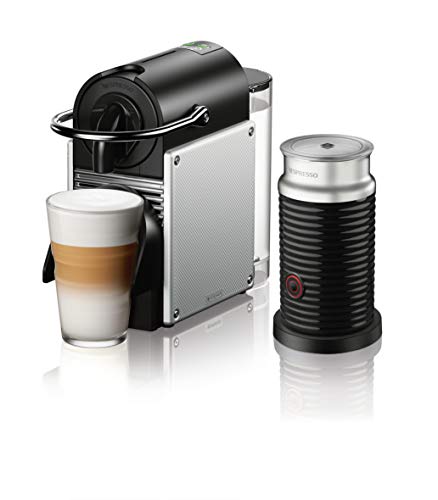
Ultra-compact design: Elegant profile perfect for urbanites with limited kitchen counter space

Please refer to user guide or user manual or user guide (provided below in PDF) before first use
Environmental Benefits of Recycling Capsules
Recycling aluminum capsules offers significant environmental benefits that contribute to sustainability and resource conservation. The process of recycling aluminum coffee capsules uses up to 95% less energy than producing new aluminum, dramatically reducing carbon emissions. Each recycled capsule helps to keep nearly 75% of aluminum in circulation, supporting eco-friendly practices. Effective aluminum recycling prevents millions of tonnes of waste from clogging landfills, where plastic variants can take centuries to decompose. The global recycling industry annually prevents approximately 170 million tonnes of greenhouse gas emissions, illustrating its importance in reducing the carbon footprint. By utilizing recycled aluminum, not only does it aid in conservation, but it also fosters a circular economy focused on sustainable practices. Furthermore, reusable capsules provide an additional way to minimize waste and further enhance eco-friendly coffee consumption habits.
How Consumers Can Contribute to Recycling Efforts
Consumers play a pivotal role in enhancing recycling efforts for aluminum capsules, and their active participation can make a significant difference. By properly separating and returning used aluminum coffee capsules to designated recycling bins, consumers contribute positively to the recycling process. Peeling off the foil and composting the coffee grounds improves aluminum recovery and reduces contamination. Programs like Nespresso’s recycling initiative empower individuals to adopt sustainable practices and increase recycling rates. Awareness campaigns can further engage consumers, leading to better compliance and reduced landfill waste. Simple actions, like rinsing capsules, enhance recycling efficiency as well, reducing energy consumption by up to 95% compared to primary production. Together, these efforts foster an eco-friendly approach to aluminum recycling. Additionally, using reusable K-Cups not only minimizes waste but also promotes long-term sustainability in coffee consumption.
Recommended Products

20 Bar High Pressure 12V Portable Espresso Machine: Experience café-quality espresso anywhere with our 12V portable coffee machine, featuring a 20 Bar high-pressure pump for rich crema. The durable aluminum alloy body is built for adventure, while the 80ml max water tank supports both cold-water heating and hot-water direct brew. Works seamlessly with NS Original aluminum capsules, so you can ditch instant coffee and skip expensive coffee shops—perfect for coffee lovers on the move.

PORTABLE ELECTRIC HEATING COFFEE MACHINE: The upgraded coffee machine has a built-in 13500mAh large-capacity battery and can brew 2-3 more cups than other similar products. Automatically heats water and extracts espresso with just one press. Heats and brews up to 8 short coffees (40ml) and 5 long coffees (80ml) per load. With brew-only mode, you'll get creamy, rich coffee (without heating the water).
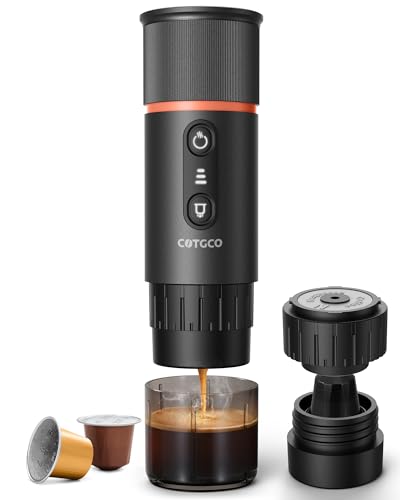
RAPID 20‑BAR SELF‑HEATING: Turn cold water into rich 199 °F espresso in only 2‑3 minutes. This portable espresso maker drives 20 bar through NS capsules, delivering café‑grade crema during camping dawns, highway rest stops or a tight office break, then an auto‑shut‑off cuts power after extraction to protect battery life.
Frequently Asked Questions
Are Aluminum Capsules Recyclable?
Aluminum capsules are recyclable, supporting aluminum sustainability efforts. While capsule recycling benefits include reduced environmental impact, recycling industry challenges persist, necessitating consumer awareness initiatives to improve material recovery rates and encourage eco-friendly alternatives amidst increasing capsule usage statistics.
What Is the Process Behind Aluminum Recycling?
The recycling process for aluminum involves advanced recycling techniques that enhance material recovery. This promotes sustainability practices, yields significant energy savings, reduces the environmental impact, and offers economic benefits through efficient waste management compared to primary aluminum production.
How Many Aluminum Cans Will It Take to Make $100?
To make $100, approximately 1,000 aluminum cans are needed at typical recycling centers paying 10 cents each, though market demand and aluminum price fluctuations can impact these figures, enhancing profit margins and supporting environmental benefits through recycling programs.
Why Shouldn’t You Crush Aluminum Cans Before Recycling?
Crushing aluminum cans may inadvertently compromise their integrity, leading to sorting issues and contamination risks. Adhering to packaging guidelines enhances recycling efficiency, preserving market value, and ensuring ideal collection methods for valuable materials in pristine condition.