As an Amazon Associate, we earn from qualifying purchases. Some links on this site are affiliate links at no extra cost to you. Our recommendations are based on thorough research and editorial judgment.


How Coffee Pod Manufacturers Are Reducing Waste

Coffee pod manufacturers are reducing waste through innovative practices and sustainable designs. They are developing compostable pods made from materials like sugarcane and seaweed, which decompose in as little as 90 to 180 days under proper conditions. Programs such as Podback in the UK and Podcycle in Australia enhance recycling efforts, targeting the current 30% recycling rate. Additionally, companies like Nespresso and Keurig are promoting take-back initiatives that improve consumer engagement in waste management. More advancements are emerging, ensuring eco-friendlier options.
Key Takeaways
- Manufacturers are developing compostable coffee pods made from biodegradable materials like sugarcane bagasse to reduce landfill waste.
- Innovations such as seaweed-based coatings in coffee balls eliminate traditional plastics, enhancing eco-friendliness.
- Reusable coffee pod designs encourage sustainable consumer habits and reduction of single-use waste.
- Recycling initiatives like Podback in the UK and Podcycle in Australia streamline the collection and processing of used coffee pods.
- Companies are committing to making all coffee pods recyclable by 2026, aligning with regulatory standards and promoting lifecycle accountability.
The Rise of Coffee Pod Popularity
You may be interested



As coffee culture continues to evolve, the rise of coffee pod popularity reflects a significant trend in modern consumption patterns. The global coffee capsule market is expected to exceed $29 billion by 2026, demonstrating a booming demand, particularly in U.S. and European households. By 2020, over 40% of households owned a coffee pod machine, showcasing the allure of convenient single-serve brewing options. However, this convenience carries an environmental impact. About 20 billion coffee pods are discarded annually, resulting in around 40 million pods ending up in landfills each day. In response, innovative solutions like compostable coffee pods are emerging, addressing waste concerns while appealing to environmentally conscious consumers. Consequently, sustainable solutions are becoming essential in this evolving landscape. Additionally, the introduction of reusable K-Cups helps to significantly reduce waste, curbing over 10 billion single-use pods discarded annually.
Understanding the Environmental Impact

Coffee pods have become popular for their convenience, yet the environmental impact of their widespread use raises significant concerns. The coffee capsule market generates approximately 576,000 metric tons of waste annually, with only about 30% being recycled. This highlights the pressing issue of plastic waste associated with single-use coffee pods. In response, some manufacturers are altering to biodegradable materials, such as sugarcane bagasse, to promote more sustainable practices. Additionally, misleading recyclability claims have led companies like Keurig to improve their labeling. While traditional brewing methods might emit fewer greenhouse gas emissions, they do not consider the long-term waste from coffee pods. Hence, the industry is evolving, focusing on innovative solutions to mitigate the environmental consequences of coffee pod use, including the promotion of sustainable choices that lead to reduced single-use waste.
Innovations in Coffee Pod Design

How might innovations in coffee pod design transform the industry and reduce environmental waste? Manufacturers are increasingly creating compostable pods using biodegradable materials like sugarcane bagasse, markedly decreasing plastic waste in landfills. For example, Migros has introduced coffee balls with a seaweed-based coating, eliminating traditional plastic and aluminum. Additionally, the rise of reusable pod designs encourages consumers to fill coffee grounds themselves, fostering sustainable habits while ensuring convenience. Recent developments also focus on enhancing recyclability, particularly with polypropylene materials that align with contemporary recycling standards. Ongoing research into packaging materials aims to produce options that decompose swiftly, suitable for local composting facilities, effectively addressing the disposal challenges associated with traditional coffee pods. These innovations mark substantial progress toward a more sustainable coffee industry. Furthermore, brands like New England Coffee are leading the way by using plant-based mesh materials in their compostable pods, further reducing environmental footprint.
Recommended Products

Decaf - ( Packs) - Medium Roast with Smooth & Balanced Flavo Flavor - Enjoy a smooth, satisfying Senseo coffee with balanced aroma, rich taste, and a crema layer in every cup.

COCONUT CARAMEL CRUNCH MEDIUM ROAST - Taste the unique combination of tropical coconut and sweet caramel

QUICK AND EASY: 96 Hawaiian Blend single serve, compostable, coffee pods. Cameron's Coffee strives to provide the convenience of a single serve pod with the quality of café brewed coffee.
Compostable Coffee Pods: A Sustainable Solution

While the rise of compostable coffee pods signals a significant shift toward environmental sustainability in the coffee industry, several factors influence their effectiveness and adoption. These pods, created from biodegradable materials like sugarcane bagasse, decompose in industrial composting facilities. This process represents a sustainable alternative to traditional plastic and aluminum pods. However, current challenges hinder their widespread use; many regions lack access to adequate composting facilities. As a result, the environmental impact of compostable coffee pods remains limited. Brands focusing on transparency advocate for responsible disposal methods, ensuring these products enrich soil instead of contributing to landfill waste. Continuous innovations, such as coffee balls made from seaweed-based materials, illustrate ongoing efforts to enhance eco-friendly coffee solutions in the industry. Additionally, choosing compostable materials supports eco-friendly routines and significantly reduces landfill waste by breaking down within 90 to 180 days under proper conditions.
Recommended Products

Roasted with Precision: Our high-quality, bold E.S.E. coffee pods are intense and dynamic, with captivating notes of cocoa and dried fruit, finishing with a deep, full-bodied espresso experience.

Compatible with Nespresso Original Machines: Artizan Coffee organic capsules are specifically designed to work seamlessly with Nespresso Original brewers, including Delonghi C190, D290, Citiz, CitiZ & Milk, Maestria, U, Le Cube, Inissia, Lattissima Plus, Lattissima Pro, Lattissima Touch, Lattissima One, Grand Lattissima, Pixie, KitchenAid, Prodigio, Expert, Essenza Mini, Essenza Plus, Creatista Uno, Creatista Plus, and Creatista Pro

Classic Medium Roast - ( Packs) - Smooth & Balanced Flavor w Flavor - Enjoy a smooth, satisfying Senseo coffee with balanced aroma, rich taste, and a crema layer in every cup.
Recycling Initiatives: Podback and Podcycle

Recycling initiatives like Podback and Podcycle are making strides to address the environmental challenges posed by single-use coffee pods. Podback, a UK program, collaborates with major coffee brands to create an efficient recycling program that separates coffee grounds from used pods for biogas production and soil enhancement. In Australia, Podcycle offers a nationwide scheme, funded by the National Product Stewardship Investment Fund, enabling consumers to recycle coffee pods easily at select supermarkets and cafes. Both programs aim to increase the current recycling rates, which are approximately 30% of the 56 billion capsules consumed annually. By addressing pod size and contamination issues, these collaborative approaches help mitigate the environmental impact of coffee pods while promoting sustainable practices among consumers and manufacturers. Additionally, similar to the reusable designs of Vietnamese coffee filters, these initiatives encourage a shift towards more sustainable coffee consumption habits.
Recommended Products

Save More on Every Cup - Cut brewing expenses by up to 80% using this Savepod coffee pod maker compatible with Keurig coffee machine systems, single serve coffee makers, and small k cup coffee setups for everyday savings.
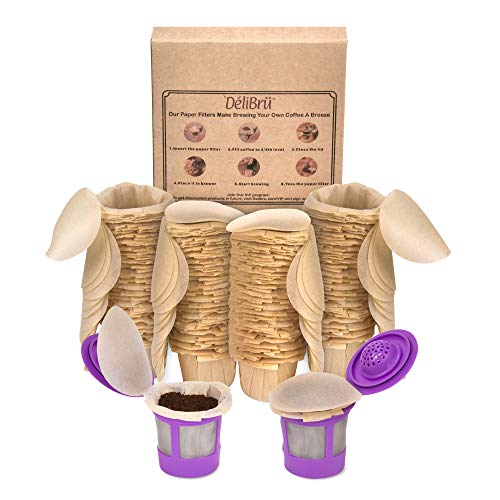
Delibru’s disposable coffee filters make brewing your favorite coffee or tea quick and easy. They ensure a fresh, clean brew every time, with no messy coffee grounds left behind. After brewing, simply remove the filter and toss it out—no need to scrub or deal with clogged mesh. Our filters fit perfectly into reusable cups, saving you time and effort.
![Nessus Reusable Vertuo Capsule Kit, [ALSeal EZ FIT] for Reusable Nespresso Pods with 150 Pcs Aluminum Foil Seal Lids, Holder, Brush, for Refilling Nespresso Vertuo Pods Reusable Vertuoline Pod](https://m.media-amazon.com/images/I/41fawBHhD3L._SL500_.jpg)
Complete Kit: The Nessus reusable vertuo capsule kit includes a refillable capsule holder, 150 PCS food-grade aluminum Nespresso foil seals, and a cleaning brush. With this kit, you can easily refill and reuse your vertuo pods, saving money and reducing waste.
Biodegradable Materials in Coffee Pod Production
Notable advancements are being made in the use of biodegradable materials for coffee pod production, reflecting an urgent response to environmental concerns. Manufacturers are increasingly utilizing substances like sugarcane bagasse and cornstarch to create compostable coffee pods that decompose more efficiently in industrial composting facilities. Innovative offerings, such as Migros’s coffee balls made from seaweed-based materials, illustrate a shift towards fully compostable alternatives that minimize reliance on plastics and aluminum. Some brands are even developing pods designed for home composting, enhancing accessibility to sustainable options. Research indicates that these biodegradable materials can markedly lower the environmental impact of coffee pods, as improved recycling rates align with rising awareness among coffee drinkers in pursuit of eco-friendly products and a circular economy.
Consumer Demand for Eco-Friendly Options
Amid rising environmental awareness, consumer demand for eco-friendly coffee pod options is rapidly increasing. As the coffee capsule market is projected to exceed $29 billion by 2026, attention is shifting to how coffee pods are made and their environmental impact. Campaigns like “Kill the K-Cup” have heightened awareness, fostering interest in sustainable alternatives such as aluminum coffee pods and compostable fiber capsules. Despite only 11% of coffee capsules being recycled in Brazil as of 2017, consumer pressure urges companies to adopt better recycling facilities and practices. Innovations like Migros’ seaweed-coated coffee balls highlight the trend towards addressing packaging waste. Additionally, many consumers actively choose brands offering organic coffee, further underscoring the push for a sustainable future. The rise of reusable K-Cups reflects a growing preference for sustainable coffee consumption practices.
The Role of Take-Back Programs
Take-back programs have emerged as an essential strategy for addressing the growing waste generated by coffee pods. Companies like Nespresso and Keurig have initiated these programs, allowing consumers to return used pods for recycling. Nespresso has established over 100,000 global collection points, making it easier for users to return pods and reduce landfill waste. In the UK, the Podback initiative collaborates with several brands to streamline the recycling process, guaranteeing efficient collection and sorting of used pods. These take-back programs shift the responsibility of waste management from consumers to manufacturers, aligning with Extended Producer Responsibility laws that mandate proper management of end-of-life products. Keurig’s recent initiative encourages pod recycling, pledging to guarantee all K-Cups are recyclable by 2026, thereby improving their environmental impact. Additionally, many brands are now focusing on compostable pod options, which further enhances sustainability efforts while providing consumers with eco-friendly choices.
Partnership for Sustainability
As coffee pod manufacturers seek to enhance sustainability, partnerships with recycling organizations have become a pivotal strategy. Notable initiatives, like the Podback project in the UK, aim to provide accessible recycling solutions for coffee capsules through collaborative collection and processing. Companies such as Nespresso and Keurig are investing in research to create fully compostable coffee pods made from biodegradable materials, reducing the reliance on plastics. These partnerships also focus on educating consumers about proper disposal methods. Some brands facilitate the return of used coffee through mailing options. Innovations in design target recyclable coffee pods compatible with existing recycling infrastructure, while collaborations enable the recovery of coffee grounds, transforming waste into valuable resources like biogas and organic fertilizers. Additionally, the shift towards reusable coffee filters has gained traction, encouraging consumers to adopt more sustainable brewing practices.
Regulatory Changes and Their Impact
Regulatory changes are reshaping the landscape for coffee pod manufacturers, driving innovation toward more sustainable practices. In response to legal challenges over recyclability claims, companies like Keurig have improved labeling on K-Cups, particularly after significant settlements for misleading information. The European Union’s regulations are pushing manufacturers to enhance recyclability and reduce packaging waste. Extended Producer Responsibility (EPR) laws require accountability in the entire product lifecycle, promoting design adjustments for recyclable and compostable options. While Keurig’s switch to polypropylene aims to improve recyclability, only one U.S. facility currently accepts the material, reflecting significant industry hurdles. Growing environmental concerns are also steering companies toward biodegradable and compostable coffee pods, responding to regulatory expectations and consumer demand for sustainable packaging solutions. Additionally, refillable capsules have emerged as a practical alternative, significantly reducing environmental waste from single-use pods.
The Future of Eco-Friendly Coffee Pods
With environmental concerns at the forefront of consumer decision-making, the future of eco-friendly coffee pods is trending toward sustainable innovation and design. Manufacturers are increasingly focusing on compostable options made from biodegradable materials like sugarcane bagasse. For instance, Migros introduced fully compostable “coffee balls,” showcasing advancements in sustainable packaging. By 2026, the coffee capsule market may exceed $29 billion, prompting brands to capture the interests of eco-conscious consumers. Additionally, reusable pods present a viable alternative to traditional single-use options, merging convenience and sustainability. Collaborative initiatives such as Podback in the UK and Podcycle in Australia will enhance recycling programs, aiming to greatly reduce the environmental impact of coffee pod waste in landfills. The future looks promising for sustainable coffee consumption.
Frequently Asked Questions
Does Nespresso Actually Recycle Their Pods?
Nespresso engages in pod recycling through established collection programs, improving recycling rates and promoting consumer responsibility. While the environmental impact is addressed via sustainable practices, corporate transparency regarding challenges remains essential for enhancing pod materials’ circularity.
How Environmentally Friendly Are Coffee Pods?
Coffee pods vary in environmental friendliness, influenced by biodegradable materials, composting options, and packaging innovations. Consumer awareness, sustainable sourcing, and recycling initiatives contribute to a circular economy, enhancing eco-friendly brewing practices within the industry.
How Wasteful Are Keurig Pods?
Keurig pods generate significant waste, with around 576,000 metric tons annually contributing to environmental impact. Despite limited recycling options, increasing consumer awareness and exploring sustainable alternatives can improve waste management and encourage eco-friendly practices in pod manufacturing.
Why Is Nespresso Not Sustainable?
Nespresso’s sustainability is hindered by recycling challenges and environmental impact from its aluminum pod materials. While promoting eco-friendly practices, the lifecycle analysis reveals limited consumer awareness and insufficient sustainable alternatives, contributing to ongoing sustainability concerns.