As an Amazon Associate, we earn from qualifying purchases. Some links on this site are affiliate links at no extra cost to you. Our recommendations are based on thorough research and editorial judgment.


The Role of Roast Level in Capsule Flavor

The roast level of coffee greatly impacts the flavor profiles in capsule coffee. Light roasts, typically roasted at 380-400°F, showcase bright acidity and fruity notes, making them ideal for methods like pour-over. Medium roasts, at 400-430°F, offer balanced sweetness and moderate acidity, appealing to a broad audience. Dark roasts, roasted at 430-450°F, deliver bold, rich flavors with lower acidity. Understanding these differences assists consumers in selecting their preferred taste profiles and enhances the overall coffee experience. More insights await on how to choose the right roast.
Key Takeaways
- Different roast levels—light, medium, and dark—contribute unique flavor profiles to capsule coffee, affecting overall taste and aroma.
- Light roasts emphasize bright acidity and fruity notes, ideal for brew methods like pour-over, enhancing delicate flavors.
- Medium roasts balance sweetness and acidity, making them versatile and appealing to a broad audience.
- Dark roasts provide bold, robust flavors with reduced acidity, suited for consumers seeking intensity in their coffee experience.
- Experimenting with roast levels allows individuals to discover their unique flavor preferences and enhance coffee enjoyment.
Understanding Roast Levels

You may be interested



Understanding roast levels is essential for appreciating the nuances of coffee capsules. Coffee roast levels are categorized into light, medium, and dark roasts, each notably impacting the flavor profile and acidity. Light roasts, roasted at 380-400°F, preserve original bean characteristics, showcasing bright acidity alongside fruity and floral notes. Medium roasts, prepared between 400-430°F, strike a balance with sweet and sugary flavors while maintaining moderate acidity. In contrast, dark roasts, with temperatures ranging from 430-450°F, provide bold, rich, and smoky flavors, often resulting in the lowest acidity due to the extended roasting process. Additionally, lighter roasts contain slightly higher caffeine content per bean compared to their medium and dark counterparts, adding another layer of complexity to each tasting experience. Understanding how brew quality considerations influence flavor can further enhance your coffee experience.
The Importance of Roast in Capsule Coffee

The roast level of coffee capsules plays a significant role in shaping the overall tasting experience. Different roasts, including light, medium, and dark, offer unique flavor profiles. Light roasts emphasize bright, fruity, and floral notes, while medium roasts provide a balanced sweetness. In contrast, dark roasts deliver bold, rich flavors but can overshadow the nuanced characteristics of lighter beans. Additionally, dark roasts exhibit lower acidity, making them more suitable for individuals sensitive to acidity, while lighter and medium roasts may increase acid reflux symptoms. Caffeine content is relatively stable across roast levels, although light roasts typically retain slightly more caffeine due to shorter roasting times. The ideal brewing method also varies, with lighter roasts excelling in pour-over techniques and dark roasts in espresso machines. Moreover, cold brew coffee bags can provide a unique way to enjoy these roast flavors, offering a simple and mess-free brewing experience.
Recommended Products

VERSATILITY: Experience a new world of indulgence with exclusive Sweet Foam function – freshly ground, not capsuled – choose from 31 options.
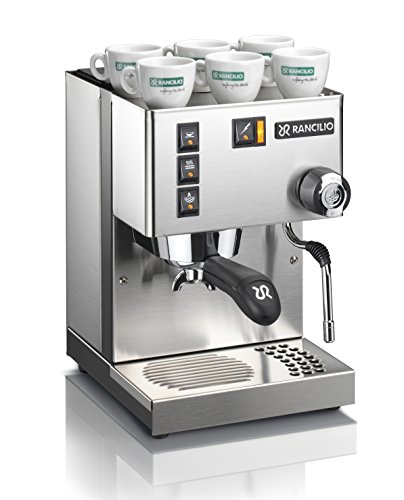
Ergonomic porta filter handle same as the proven design of Rancilio commercial machines

☕ MEDIUM ROAST – INTENSITY & BALANCE Crafted for a smooth, bold espresso experience with moderate roast intensity and rich body.
Light Roast Capsules

Although light roast capsules may not always dominate the coffee market, they offer a distinct and invigorating option for coffee enthusiasts seeking vibrant flavors. Light roast coffee is roasted at temperatures between 380-400°F, preserving the coffee bean’s original tastes while accentuating fruity and floral notes. These capsules typically feature bright acidity, appealing to those who appreciate a tangy flavor profile, although it may not suit individuals sensitive to acid. Additionally, light roast capsules often have a higher caffeine content compared to darker roasts, providing an energy boost. Due to their lighter body, these capsules deliver a milder flavor, which can sometimes be perceived as underdeveloped. They are best crafted using brewing methods like pour-over or Aeropress to enhance delicate flavors. Moreover, many light roast options are made from 100% Arabica beans, ensuring a superior quality experience for coffee lovers.
Recommended Products

Your Authentic Italian Espresso, 100% made in italy

Please refer to user guide or user manual or user guide (provided below in PDF) before first use.Milk System : Manual

Tasting Notes roast sweet & Dark cocoa well-balanced and rich with a dark cocoa texture. Try it with a piece of dark chocolate to bring out even more sweetness.
Pros of Light Roast

Light roast capsules present several advantages for coffee drinkers seeking unique flavors and experiences. Brewed at temperatures between 380-400°F, these capsules preserve the original traits of light roast beans, resulting in a milder flavor profile. One of the most notable characteristics of light roasts is their prominent fruity and floral notes, providing a vibrant taste that appeals to many. In addition, light roasts typically feature balanced acidity, making them invigorating, especially during breakfast drinks. Moreover, light roast coffee contains higher caffeine content compared to darker varieties, as less coffee bean development occurs during roasting. These features collectively make light roasts an attractive choice for those looking to enjoy distinct and nuanced flavor experiences. Additionally, the versatile flavor options offered by light roast capsules enhance the overall coffee experience.
Cons of Light Roast

While light roast coffee offers distinct flavors, several drawbacks can deter certain consumers from fully enjoying this style. One significant issue is its higher acidity, which may be problematic for individuals with acid reflux or sensitive stomachs. Additionally, the flavor profile of light roasts often appears underdeveloped. Lacking the caramelization found in darker roasts, light roast coffee can miss depth. Despite having slightly more caffeine, the perception of strength may lead some to prefer the bolder flavors of dark roasts. Furthermore, light roasts may emphasize sour notes if improperly brewed, potentially deterring those who favor smoother beverages. Finally, while floral notes can be pleasant, they may overwhelm individuals who prefer richer chocolate and caramel flavors in their coffee. Moreover, consumers often report that the flavor retention achieved with unbleached coffee filters significantly enhances their overall brewing experience.
Medium Roast Capsules
Medium roast capsules represent a popular choice among coffee enthusiasts due to their balanced flavor profile. Roasted at temperatures between 400-430°F, these capsules exhibit moderate acidity, which enhances the sweetness typical of medium roast coffee. This sweetness complements the caramelized notes achieved through sugar caramelization, resulting in a fuller flavor and body compared to lighter roasts. Coffee drinkers often appreciate the chocolate and nutty undertones present in medium roast capsules, making them especially favored among espresso and milk-based beverage consumers. The harmonious balance in flavor allows for versatility across various brewing methods, catering to a wide range of preferences. Therefore, medium roast coffee serves as an appealing option for those desiring a well-rounded coffee experience. Additionally, the milk frothing capabilities provided by dual boiler machines can elevate the enjoyment of medium roast coffee in milk-based drinks.
Recommended Products

Content: 12 person 66-piece: 12 each forks, table knives, spoons, cake forks, tea/coffee spoon, 1 pair of salad servers (2-piece), 1 serving spoon, 1 portioning ladle, 1 serving fork, 1 cake server. |

Pros of Medium Roast
The pros of medium roast coffee are numerous, making it a preferred choice among many coffee drinkers. This roast level features a balanced flavor profile, combining fruity notes with caramelized sweetness that appeals to diverse palates. With moderate acidity, medium roast is gentler on the stomach, making it a suitable option for those with sensitivities. It also embodies hints of chocolate and nutty flavors, enhancing its versatility across brewing methods like drip and espresso. The caffeine content remains comparable to that of light and dark roasts by weight, yet its pleasant flavor profile masks the sense of caffeine, making it easier to enjoy. With a sweet and aromatic finish, medium roasts are ideal for blended coffee capsules, showcasing their delightful taste. Additionally, the advanced temperature control features in espresso machines can further enhance the brewing of medium roast coffee, allowing for optimal flavor extraction.
Cons of Medium Roast
Despite the advantages of medium roast coffee, several drawbacks warrant consideration. Medium roasts typically demonstrate moderate acidity, potentially causing discomfort for individuals with sensitive stomachs. Additionally, a slight bitterness may emerge in the flavor, which could deter some consumers. Compared to light roasts, medium roasts usually lack distinct flavor profiles, missing the vibrant fruity and floral notes that characterize the lighter options. This balance can lead to perceptions of medium roast coffee being less exciting or complex than both light and dark variations. While popular among average drinkers, its taste is sometimes viewed as generic and insufficiently adventurous for connoisseurs seeking unique tasting experiences, which may limit its appeal to a broader audience. Furthermore, the sustainability practices of various brands can influence consumer choices, as some may prioritize eco-friendly options over flavor.
Dark Roast Capsules
A significant number of coffee drinkers are drawn to dark roast capsules for their bold and smoky flavor profiles. These capsules feature dark roast coffee, roasted at temperatures between 430-450°F, producing rich, intense flavors. The longer roasting time results in lower acidity, which can provide a gentler coffee experience for sensitive stomachs. During the roasting process, the second crack signifies the shift to a dark roast, influencing the depth of flavors. Dark roast capsules also present a dry appearance, lacking the oil found on lighter roasts. Despite their robust profile, these capsules contain slightly less caffeine than lighter options, although the strong taste may create a perception of increased potency, ultimately enhancing the overall coffee experience for fans of dark roast flavors. Additionally, many dark roast options are crafted from 100% Arabica beans, ensuring a rich and smooth taste.
Recommended Products

The Nespresso Vertuo Lattissima offers a full range of coffee pods, from an intense Espresso and Carafe to Latte and Cappuccino, all at the touch of a button and with a smooth crema.

Compact brewing unit technology,19 bar pressure pump,thermoblock heating element

Alto Grande, the coffee of Popes and Kings, elevates your coffee experience with an extraordinary aroma and intensity. Known as "the very best" because of its unique Arabica beans grown in ideal soil and climate conditions and processed to the most exact standards
Pros of Dark Roast
Many coffee enthusiasts appreciate the pros of dark roast capsules for their unique qualities. Dark roast coffee, roasted at temperatures between 430-450°F, offers bold and rich flavors, often featuring smoky and chocolatey notes. The extended roasting process caramelizes oils and sugars, creating a full-bodied coffee experience. Significantly, dark roasts have reduced acidity, making them a suitable option for individuals sensitive to acidity levels in coffee. While they contain lower caffeine than lighter roasts, the robust flavor can often feel stronger. Additionally, the drier texture of dark roast capsules enhances brewing consistency and flavor stability, appealing to many drinkers. Overall, dark roasts deliver a distinctive and consistent experience, emphasizing the unique characteristics prized by connoisseurs. Moreover, brewing with medium grind coffee can optimize the flavor extraction from dark roast capsules, enhancing the overall experience.
Cons of Dark Roast
While dark roast coffee has its advocates, it also presents several drawbacks that may deter some consumers. One notable issue is the strong bitterness that characterizes dark roasted beans, which can alienate those who prefer smoother flavor profiles. Additionally, the longer roasting process typically results in a lower acidity, appealing less to drinkers who enjoy the bright, vibrant notes of lighter roasts. In addition, the intense heat often leads to a one-dimensional flavor profile, as delicate flavor nuances are burnt away, overshadowed by deep smoky flavors. This can mask the unique characteristics of the original coffee bean. Finally, it is essential to recognize that dark roasts usually have slightly reduced caffeine content compared to lighter counterparts, further impacting the overall experience.
Selecting the Right Roast for Your Taste
Selecting the right roast for individual taste preferences involves understanding various coffee roast levels and their unique characteristics. Light roasts, with their bright acidity and fruity flavors, are suitable for those who appreciate a delicate coffee profile. Conversely, medium roasts strike a pleasing balance between acidity and sweetness, appealing to a wide range of coffee drinkers and enhancing the overall capsule tasting experience. Dark roasts, characterized by bold, smoky flavors and low acidity, cater to consumers seeking a richer, more intense brew, often favored in espresso capsules. Experimenting with these roast levels enables individuals to identify their unique flavor preferences, influencing their perception of flavor and aroma while enhancing coffee enjoyment across different capsule types.
Recommended Products

Delicious Flavored Coffee Pods: Amaretto Amaretto flavored coffee is perfect for any almond lover. This deliciously aromatic coffee will fill your senses with the amazing sweet flavor of almonds while bringing a smile to your face. This coffee is delicious both iced and hot and makes a great dessert coffee.

Mixed Taster Pack with our entire selection of coffee pods. 9 different varieties. 500 coffee capsules for OriginalLine Nespresso Brewers.

120 Medium Heroic - Be a Hero Today! This bold and burly blend comes from South America. It's sweet and slightly acidic tang satisfies the coffee crave.
Frequently Asked Questions
How Does Roast Level Affect Coffee Taste?
Roast level ironically dictates coffee taste, where bean origin and freshness impact flavor complexity. Light roasts excel in acidity balance and aroma, while dark ones dominate with strength, aligning with personal preference and brew method.
What Is the 15 15 15 Rule for Coffee?
The 15 15 15 rule for coffee specifies brewing with 15 grams of coffee per 15 ounces of water at 15 degrees Celsius, influencing flavor profiles, caffeine content, and equipment impact while ensuring ideal taste and extraction.
Does Roast Level Affect Bitterness?
Ironically, consumers seeking less bitterness often choose dark roasts. Roast intensity shapes bitterness perception, influencing flavor balance through brewing method. Light roast characteristics enhance coffee acidity, creating a sensory experience that defies typical consumer preference.
What Does Roast Level Mean for Coffee Beans?
Roast level classification signifies the degree of roasting coffee beans, with light roast characteristics highlighting original flavors, medium roast profiles achieving balance, and dark roast qualities enhancing richness, ultimately impacting acidity and blend versus single origin choices.