As an Amazon Associate, we earn from qualifying purchases. Some links on this site are affiliate links at no extra cost to you. Our recommendations are based on thorough research and editorial judgment.

Understanding Acidity and Sweetness in Pod Coffee

Acidity and sweetness are vital flavor components in pod coffee. The ideal pH for coffee acidity typically ranges from 4.85 to 5.10, with lighter roasts maintaining higher acid levels that enhance brightness and complexity. Arabica coffee pods generally exhibit higher acidity, while different origins produce varying sweetness; East African beans are fruity, and Brazilian varieties tend toward chocolatey notes. Understanding these factors aids consumers in selecting coffee pods to match their taste preferences, leading to an enriched coffee experience. Further insights can enhance your coffee journey.
Key Takeaways
- Acidity in coffee, typically between a pH of 4.85 to 5.10, enhances brightness and complexity in flavors.
- Sweetness balances coffee flavor and comes from naturally occurring sugars, more prominent in light roast varieties.
- Lighter roast coffee pods retain higher acidity and vibrant sweetness compared to medium or dark roasts.
- Different coffee pods, such as Nespresso’s OriginalLine and VertuoLine, have varying acidity levels impacting taste preferences.
- Brewing methods can significantly alter acidity and sweetness, with cold brew yielding smoother, sweeter flavors due to lower acidity.
The Role of Acidity in Coffee Flavor
You may be interested



Acidity plays an essential role in defining the flavor profile of coffee, influencing how it is perceived by the palate. Typically, acidity in coffee ranges from a pH of 4.85 to 5.10, contributing to the brightness and complexity of its flavor. Lighter roast coffees retain higher natural acid levels, resulting in a more pronounced acidity compared to medium and dark roasts, which lose some acidity during longer roasting periods. Different types of acidity, such as citric and malic acids, can provide distinct fruity flavors that enhance overall coffee flavor. Additionally, specific brewing techniques impact acidity levels; for example, espresso showcases moderate acidity, while cold brew tends to produce the least acidic coffee, emphasizing the need for careful balance with sweetness in coffee. Understanding the importance of absorbency in cleaning tools can further enhance your coffee experience by ensuring a tidy environment for brewing and enjoying your cup.
Sweetness: A Balancing Act in Pod Coffee

While acidity contributes to the complexity of coffee flavor, sweetness serves as an essential balancing element in pod coffee. Sweetness arises from naturally occurring sugars within the coffee beans, achieved through roasting techniques that caramelize these sugars. Light roast coffee, typically retaining more natural sugars, often showcases vibrant sweetness, enhancing its flavor profile. Whereas darker roasts, subjected to longer brewing times, may exhibit a more subdued sweetness. The origin of the beans also influences sweetness; for example, East African coffees present dense fruity notes, contrasting with the chocolatey undertones of Brazilian varieties. In addition, achieving balance in sweetness is vital; high-quality coffee pods aim to enhance sweetness without overwhelming the palate, allowing for an enriched tasting experience for consumers. Many brands, such as AmazonFresh and Vermont Coffee Company, focus on organic sourcing to ensure that the sweetness in their coffee pods is derived from high-quality beans.
Exploring Acidity Levels in Different Coffee Pods

Many coffee enthusiasts seek to understand the intricate balance of flavors in pod coffee, particularly the role of acidity. The acidity levels in coffee pods differ greatly between Nespresso’s OriginalLine and VertuoLine, influenced by unique roasting techniques. Arabica coffee pods, commonly used in Nespresso capsules, generally exhibit higher acidity levels, with a pH range of 5 to 6.1. This contributes to a vibrant, tangy flavor profile. Lighter roasts, known for fruity or floral characteristics, retain more natural acids than their medium or darker counterparts, which lose acidity due to prolonged roasting. By examining acidity levels, consumers can choose coffee pods that match their taste preferences while minimizing any digestive discomfort related to high-acidity brews. Additionally, understanding mug organization solutions may enhance your overall coffee experience by keeping your favorite mugs easily accessible.
Recommended Products


Your Authentic Italian Espresso, 100% made in italy

SUPER CREMA: A 2.2 lb whole bean coffee bag ideal for espresso preparation.
Impact of Roast Levels on Acidity and Sweetness

Roast levels play a key role in influencing both acidity and sweetness in coffee, making this aspect vital for an informed selection of pod coffee. Lighter roasts typically retain higher natural acids, resulting in a vibrant flavor profile that highlights brightness. Conversely, darker roasts undergo prolonged roasting times, which reduce acidity while enhancing perceived bitterness and sweetness. The roasting process caramelizes sugars, contributing to the overall sweetness; consequently, lighter roasts may exhibit sweetness from under-roasted sugar compounds. Additionally, grind size can influence extraction, affecting flavor delivery. Understanding the balance of these elements—sweetness, acidity, and roast levels—is essential for consumers seeking a tailored coffee experience that matches their palate preferences. This knowledge can elevate the enjoyment of pod coffee. Furthermore, considering the design and aesthetics of coffee mugs can enhance the overall coffee experience, making each sip even more enjoyable.
Recommended Products

Please refer to user guide or user manual or user guide (provided below in PDF) before first use.Milk System : Manual
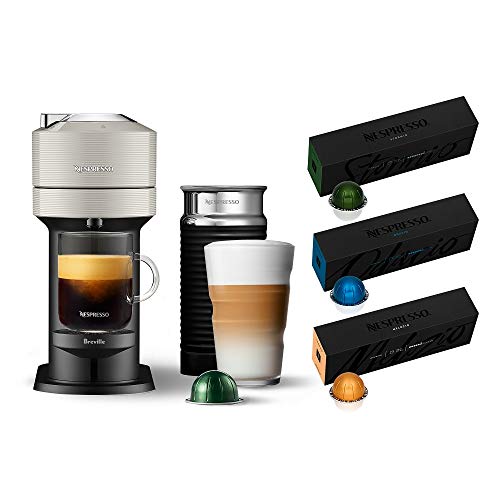
4 cup sizes - Espresso, Double Espresso, Gran Lungo, Alto

Tasting Notes roast sweet & Dark cocoa well-balanced and rich with a dark cocoa texture. Try it with a piece of dark chocolate to bring out even more sweetness.
Brewing Methods and Their Effect on Flavor Profiles

Utilizing various brewing methods can greatly alter the flavor profiles of coffee, impacting both acidity and sweetness. For instance, pour-over techniques often enhance acidity, while immersion methods, such as the French press, emphasize sweetness and body. Brew time markedly influences these characteristics; shorter durations can highlight acidity, whereas longer extractions lead to increased sweetness and bitterness. Additionally, water temperature plays a critical role, with higher temperatures (195°F – 205°F) boosting acidity and bitterness. Grind size also affects extraction, where a finer grind enhances perceived acidity, and a coarser grind reduces it. Conversely, cold brew, steeped for 12-16 hours at low temperatures, results in the least acidity, yielding a smoother and sweeter flavor profile for coffee enthusiasts. Understanding the importance of brew time can help you refine your coffee experience.
Recommended Products

Stelton Norman Foster Press Filter Jug Stainless Steel Mirror Polished
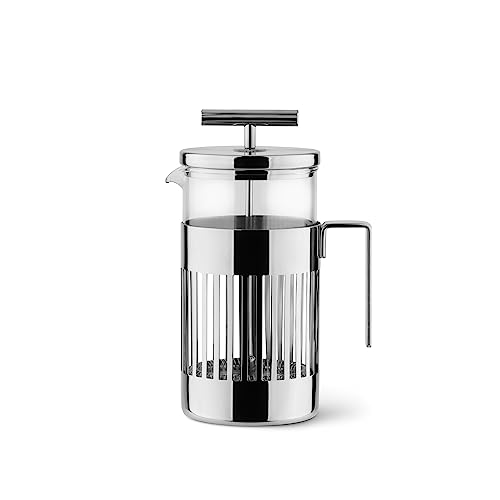
Elegant press filter coffee maker, suitable to be used as an infuser for other beverages

The Rambler 34 oz French Press was designed to make a balanced brew for you any time of day. The GroundsControl Filter separates grounds from your brew for a balanced flavor in every cup
Health Considerations for High-Acidity Coffee
High-acidity coffee can pose health challenges for some individuals, particularly those with sensitivities. Elevated coffee acidity can trigger digestive discomfort, including heartburn and acid reflux, leading to symptoms like bloating and sour taste in the mouth. These individuals may benefit from lower-acid options, such as dark roasts, which tend to be gentler on the stomach. Brew techniques also play an essential role in managing acidity; methods like cold brew can considerably reduce acidity levels, making them more palatable for sensitive drinkers. In addition, adjusting brew techniques, such as using coarser coffee grounds or adding eggshells, can neutralize acidity. Understanding these factors can help coffee enthusiasts make informed choices regarding high-acidity coffee and its potential health implications.
Tips for Choosing the Right Pod Based on Flavor Preference
When selecting coffee pods based on personal flavor preferences, individuals should consider key factors that influence both acidity and sweetness. Acidity levels, indicated on the packaging, vary between pods; lighter roasts often present higher acidity, offering a bright, tangy profile. Sweetness is generally derived from the type of coffee beans and their processing methods; natural processed coffees tend to exhibit more fruity sweetness compared to their washed counterparts. Labels mentioning flavor notes like chocolate or caramel suggest sweeter profiles, which can effectively balance acidity. Different pod lines, such as Nespresso’s OriginalLine and VertuoLine, deliver distinct flavor experiences. Engaging with tasting notes or community resources can greatly assist in aligning pod choices with personal preference, enhancing one’s coffee enjoyment. Additionally, understanding programmable settings in coffee makers can help you brew the perfect cup to match your selected pod.
Frequently Asked Questions
What Is the Difference Between Acidity and Sweetness in Coffee?
What influences a coffee’s flavor profile? Acidity provides brightness, while sweetness adds depth, both essential for taste balance. Sensory perception varies with brewing methods, affecting individuals’ appreciation of these contrasting yet complementary attributes.
What Is the 80/20 Rule for Coffee?
The 80/20 rule in coffee emphasizes that 80% of satisfaction derives from 20% of characteristics. Focusing on essential factors like origin influence and flavor profiles enhances tasting notes during coffee brewing, vastly improving the overall experience.
Is High or Low Acidity Coffee Better?
Is high or low acidity coffee better? It depends on personal preference; while low acidity benefits include smoother taste, high acidity drawbacks may include discomfort. Ultimately, flavor profile influences one’s coffee experience considerably.
How to Explain Acidity in Coffee?
Acidity in coffee can be explained through its flavor profile, categorized into different acidity types influenced by brewing methods. Tasting notes reveal brightness and tanginess, fundamental to appreciating a coffee’s complexity and overall character.