As an Amazon Associate, we earn from qualifying purchases. Some links on this site are affiliate links at no extra cost to you. Our recommendations are based on thorough research and editorial judgment.

Understanding Extraction Ratios in Capsule Brewing

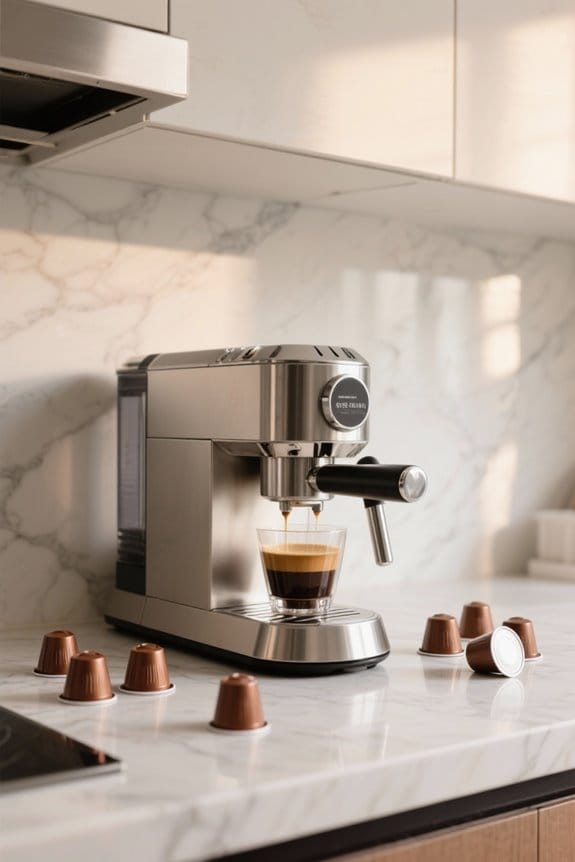
Extraction ratios are essential in capsule brewing, influencing the flavor profile and quality of coffee. Achieving the ideal extraction balance requires targeting 18-22% yield. This typically involves a coffee-to-water ratio of 1:15 to 1:18 and a brewing temperature between 195°F to 205°F for solubility improvement. Longer brew times and finer coffee grinds can enhance extraction efficiency. Monitoring parameters carefully prevents under and over-extraction, ensuring a balanced cup. Further exploration reveals more techniques for ideal brews.
Key Takeaways
- Extraction ratios are crucial for flavor balance in capsule brewing, targeting 18-22% for optimal aroma and acidity.
- Under-extraction leads to weak flavors, while over-extraction results in bitterness; careful control of parameters is essential.
- Particle size, brew time, and coffee-to-water ratios (1:15 to 1:18) significantly impact the extraction yield and final taste profile.
- Maintaining brewing temperatures between 195°F to 205°F enhances solubility, avoiding weak coffee or bitterness from scalding.
- High-quality coffee and adequate coffee weight in capsules contribute to greater total dissolved solids (TDS) and improved flavor intensity.
The Importance of Extraction Ratios
You may be interested


Extraction ratios play an essential role in capsule brewing, directly influencing the flavor profile of the coffee. Ideal extraction requires a careful balance of coffee-to-water ratios, which enhances aroma and acidity while controlling bitterness. Studies show that about 80% of soluble solids are extracted within the first 113 mL of brew volume, emphasizing the importance of initial ratios. Finer particle size distribution can improve extraction yield, potentially reaching 63%, thereby impacting the beverage’s strength and sensory quality. In addition, a higher coffee weight in capsules typically correlates with increased total dissolved solids (TDS) concentrations, which enrich the depth and body of the brew. Such data illustrate the complex interplay between extraction ratios and the overall quality of the coffee produced. Additionally, the choice of quality materials used in K-Cups significantly influences flavor retention and extraction efficiency.
Understanding Under-Extraction and Over-Extraction
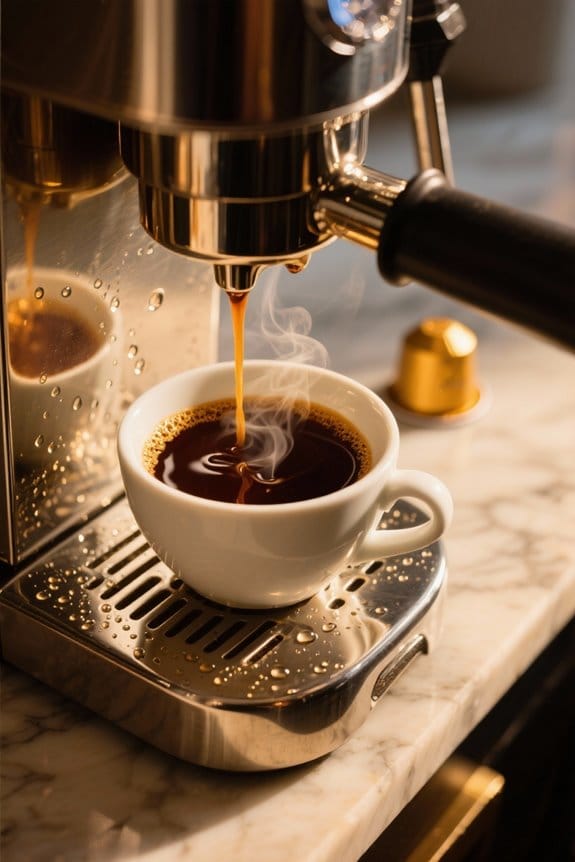
Achieving the right balance in coffee brewing requires an understanding of both under-extraction and over-extraction, two phenomena that can dramatically affect flavor. Under-extraction results from insufficient extraction of desirable compounds, often leaving a weak, sour taste profile. In contrast, over-extraction occurs when prolonged contact or inappropriate grind size causes excessive release of compounds, resulting in bitterness. The ideal extraction yield for balanced flavor generally lies between 18-22%. To manage this, maintaining an accurate coffee-to-water ratio, recommended at 1:15 to 1:18, is essential. Additionally, controlling grind size, brew time, and water temperature helps prevent under or over-extraction, particularly in capsule brewing, where parameters can be more restricted compared to traditional methods, affecting overall coffee quality. Using an electric gooseneck kettle can enhance precision in pouring, which is vital for optimal extraction.
Factors Affecting Extraction Ratios in Capsule Brewing

In capsule brewing, several essential factors influence extraction ratios, shaping the final coffee flavor. Particle size distribution notably affects extraction yield, with finer grinds achieving approximately 63% extraction, enhancing acidity-phenolic balance. Brew volume also contributes, as larger volumes allow more water to engage with coffee, improving extraction yields. Additionally, the coffee weight in capsules is important; proper amounts correlate with higher total dissolved solids (TDS), ensuring peak flavor balance. Extraction times vary from 10 to 41 seconds, with extended durations, particularly beyond 25 seconds, potentially causing saturation effects that alter flavor profiles. Each of these factors plays a fundamental role in determining the overall quality and taste of the brewed coffee. Furthermore, Nespresso models provide multiple foam styles that enhance the coffee experience, complementing the extraction process.
Achieving the Ideal Brewing Temperature

Brewing temperature plays an essential role in the extraction process of coffee, profoundly influencing flavor and aroma. The ideal brewing temperature for coffee extraction ranges from 195°F to 205°F (90°C to 96°C). This range facilitates optimum solubility of coffee compounds, enhancing the overall flavor profile while preventing bitterness from over-extraction. Temperatures below 195°F may lead to under-extraction, yielding weak, flavorless coffee. Conversely, brewing capsules at temperatures exceeding 205°F can scald the grounds, resulting in undesirable bitterness. Studies indicate that maintaining consistent brewing temperatures is vital for stable extraction yields, especially in high-pressure capsule brewing systems. Hence, advanced machines with precise temperature controls are essential for achieving a balanced and flavorful brew, ultimately improving the quality of the final product. Regular maintenance, including descaling processes, is also important to ensure optimal machine performance and consistent brewing temperatures.
The Role of Brewing Time in Extraction
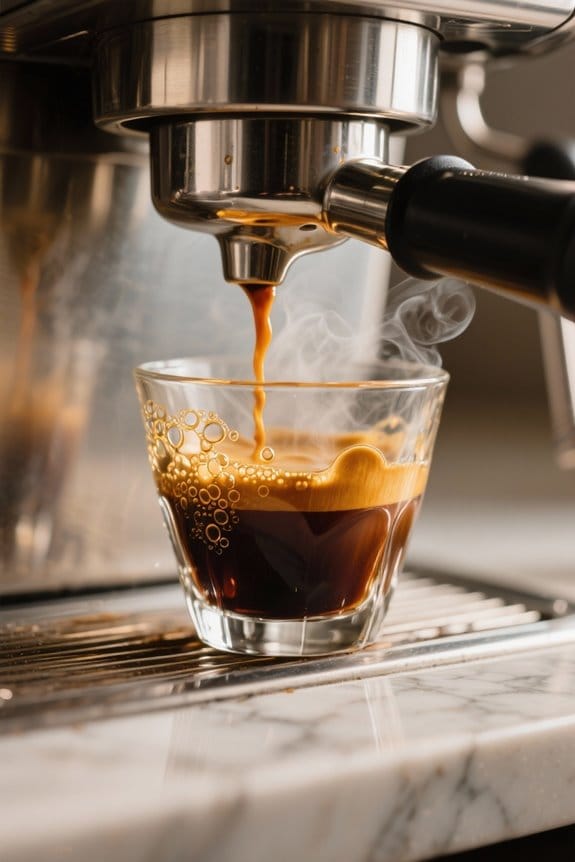
Often overlooked, brewing time plays an essential role in the extraction process of coffee within capsule systems. Research shows that extraction times can range from 10 to 41 seconds in capsule brewing. Longer brewing times typically yield higher Total Dissolved Solids (TDS), resulting in a stronger cup. However, times exceeding 25 seconds may cause saturation effects, leading to diminishing returns. The coffee grind affects extraction time; finer grinds may increase brewing time but can reduce overall extraction efficiency. Additionally, extended brewing time elevates acidity extraction levels. Consequently, balance is vital in the brewing process to prevent unwanted bitterness in the final product, ensuring a superior experience for coffee enthusiasts. The ideal espresso machine should have a pressure range of 16-20 bars to ensure rich coffee extraction.
Recommended Products

Upgraded Clog-Resistant Grinding System: While many espresso machines struggle with oily dark roast beans, our espresso machine with grinder improved design features a 20% wider polished chute that helps promote smoother more consistent grinding, Engineered to support your journey to better coffee.

【Fully Automatic Espresso Machine with 20 Bar Pressure】 This 3-in-1 fully automatic espresso machine doubles as a coffee maker, combining built-in grinder (making it a coffee maker with grinder too) and milk frother. With 20 Bar Pressure, it extracts barista-quality espresso—no need for separate expresso coffee machines. Add beans/water, choose 1 of 6 one-touch recipes (espresso, americano, hot water) ; double boilers save morning time by keeping brew/frothing temps perfect.
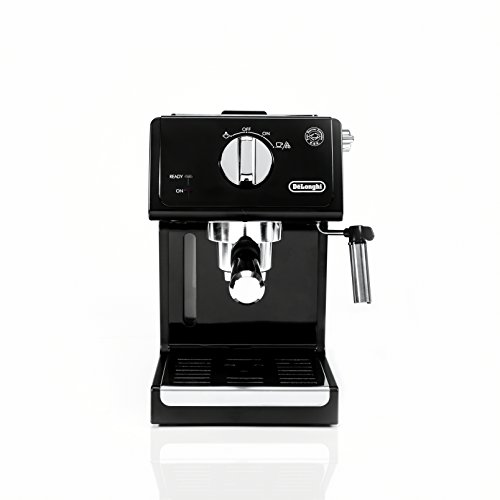
EVERY CUP TO YOUR LIKING 15-bar professional pressure assures quality results every time, and adjustable controls allow you to make modifications for your personal taste preferences
Fine-Tuning Brewing Parameters for Flavor Optimization
Fine-tuning brewing parameters can greatly influence the flavor profile and overall quality of capsule coffee. The extraction process is essential; particle size distribution considerably impacts yields. Finer grounds can enhance extraction percentages but may reduce brew permeability. Adjusting brew volume also enhances extraction, as higher volumes often increase the concentration of soluble solids, directly affecting Total Dissolved Solids (TDS) levels. Typically, a preferable extraction time ranges from 10 to 41 seconds, enabling higher TDS concentrations, yet excessive duration may introduce undesirable bitterness. In addition, the weight of coffee in capsules correlates strongly with TDS, influencing flavor and body. Ultimately, achieving flavor enhancement relies not only on precise brew parameters but also on the inherent quality of the coffee used. Moreover, using a single dose grinder can significantly improve grind consistency, leading to better extraction results and flavor stability.
Recommended Products
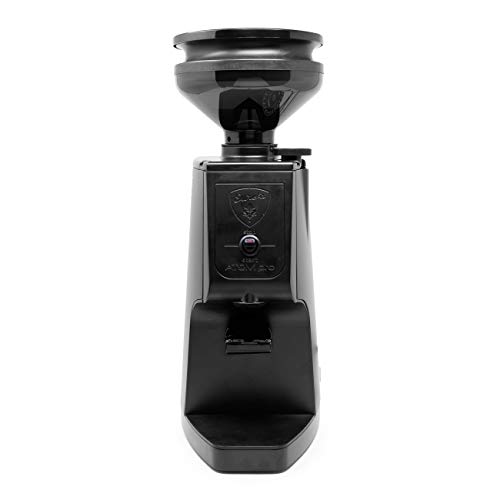
SPECIAL BURRS - Custom cut 75mm steel burrs for unique high consistency grinding size.

Hopper holds up to 1-pound of fresh coffee beans

Fast grinding–one pound in under 30 seconds
Common Mistakes in Capsule Brewing
Many capsule brewing enthusiasts encounter a variety of pitfalls that can undermine the quality of their coffee. Common mistakes include incorrect brewing parameters, such as insufficient brew time, which leads to under-extraction and a weak flavor profile. Conversely, over-extraction can occur when brew time exceeds ideal limits, resulting in bitterness. Understanding capsule parameters is vital, as variations in capsule weight affect total dissolved solids (TDS) yield. Additionally, maintaining water quality within the perfect temperature range of 195°F to 205°F is essential for proper extraction. Finally, ignoring grind size distribution can disrupt permeability, reducing extraction efficiency. These extraction variables considerably impact brew quality, making attention to detail important for achieving a desirable coffee experience. Furthermore, using ceramic coffee mugs can enhance your overall coffee enjoyment by offering better insulation and flavor preservation.
Recommended Products

Gravity Tilt Deck Kit For Trailers : Kit includes: Hoses and Cylinders Assembled and Filled with Oil, Hydraulic Fittings, Two cylinder supports, Two Toggle Clamps, Safety Signs, Two Hinges, 15 oz Johnson Trailer Parts Premium Ceramic Coffee Mug!

【Ideal Gift Choice】Our tumbler will be peosonlized and shipped in the USA. You can customize the tumblers with photos, logos or text according to your preferences.It is sure to be a great gift to mother, father, wife, husband, son, daughter, frineds or yourself.

Comparing Different Capsule Brewing Systems
When comparing different capsule brewing systems, it becomes evident that extraction technique prominently influences coffee quality. High-pressure systems typically yield greater extraction rates, enhancing flavor intensity compared to lower-pressure options like soft pods. The average extraction time ranges from 10 to 41 seconds, with flow rates fluctuating between 1–4 g/s, considerably impacting the final flavor profile. Research highlights that grinding coffee results in a bimodal particle size distribution, which affects extraction efficiency and sensory qualities, including taste and aroma. The concentration of Total Dissolved Solids (TDS) is closely linked to the weight of coffee in capsules; hence, variations in capsule oxygen content and green coffee quality further underscore the vital relationship between brewing systems and extraction outcomes. Additionally, the quality of ingredients used in each capsule blend can significantly influence the overall extraction and flavor profile achieved during brewing.
Recommended Products
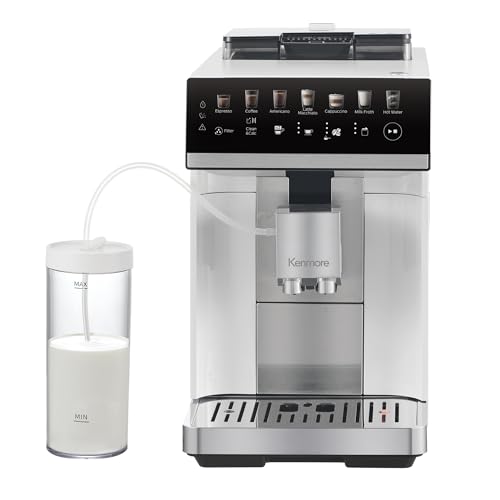
FULL-COLOR TOUCH DISPLAY & INTUITIVE CONTROLS – Enjoy a vibrant color touchscreen with easy navigation and one-touch drink options like espresso, cappuccino, latte macchiato, and americano. The intuitive interface ensures a seamless experience, letting you customize coffee strength, milk volume, and temperature for your perfect cup every time.
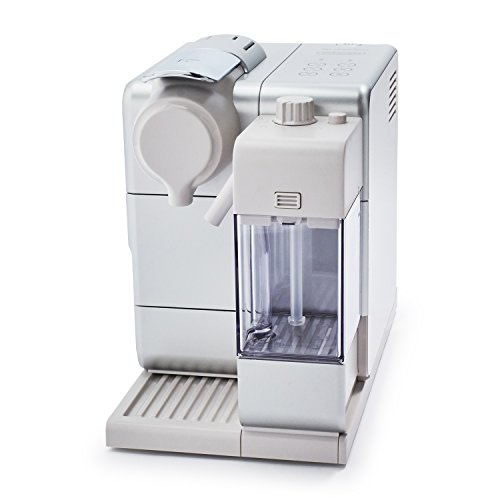
Practical design: sliding drip tray for different cup or glass sizes, removable milk container with rinsing function, illuminated buttons
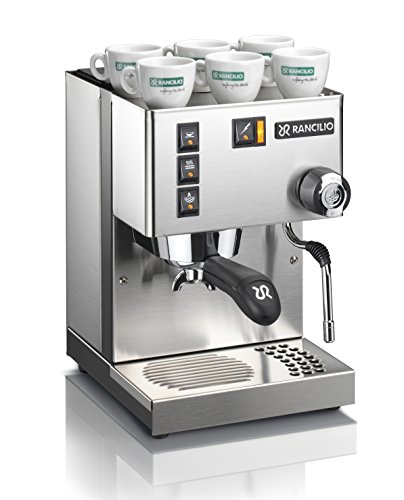
Ergonomic porta filter handle same as the proven design of Rancilio commercial machines
Tips for Enhancing Your Capsule Brewing Experience
Improving the capsule brewing experience can markedly enhance the overall satisfaction with coffee quality. For ideal extraction, it is recommended that brewing time ranges between 10 to 41 seconds, which minimizes bitterness while maximizing flavor. Attention should be given to coffee weight in capsules; studies show a strong correlation between weight and total dissolved solids (TDS), essential for achieving a balanced flavor profile. Increasing brew volume also promotes better extraction, resulting in a richer taste. Additionally, monitoring acidity and bitterness is important, as these sensory characteristics greatly influence espresso quality from capsules. By focusing on these factors, coffee enthusiasts can enjoy a more robust and satisfying cup through informed capsule brewing practices. Incorporating almond milk creamers into your coffee can further elevate the flavor experience.
Frequently Asked Questions
What Is the 15 15 15 Rule for Coffee?
The 15 15 15 rule suggests using 15 grams of coffee, 15 ounces of water, and a 15-minute extraction time. Adjustments to this ratio can enhance flavor profiles, considering coffee grind, temperature impact, and origin.
What Does 1 to 16 Ratio Mean?
The 1 to 16 ratio signifies using 16 parts water for each part coffee, essential for ideal extraction. This ratio influences brewing parameters, affecting coffee strength, flavor balance, and requiring careful consideration of grind size and water temperature.
What Is the 1 2 Rule for Espresso?
The 1:2 rule for espresso signifies a coffee brewing technique where 18-20 grams of grounds yield 36-40 grams of espresso, emphasizing timing techniques, grind consistency, water temperature, and crema quality for ideal flavor development.
What Is the 80/20 Rule for Coffee?
The 80/20 rule for coffee suggests that 80% of flavor comes from 20% of brewing factors, such as grind size, water temperature, and bean origin, underscoring the impact of freshness and strength on flavor balance.