As an Amazon Associate, we earn from qualifying purchases. Some links on this site are affiliate links at no extra cost to you. Our recommendations are based on thorough research and editorial judgment.

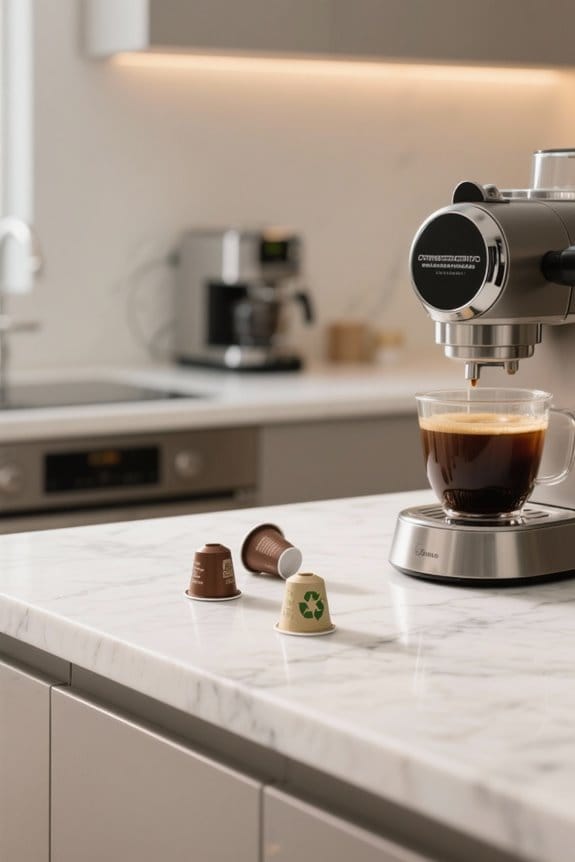
Comparing Biodegradable vs. Recyclable Capsules

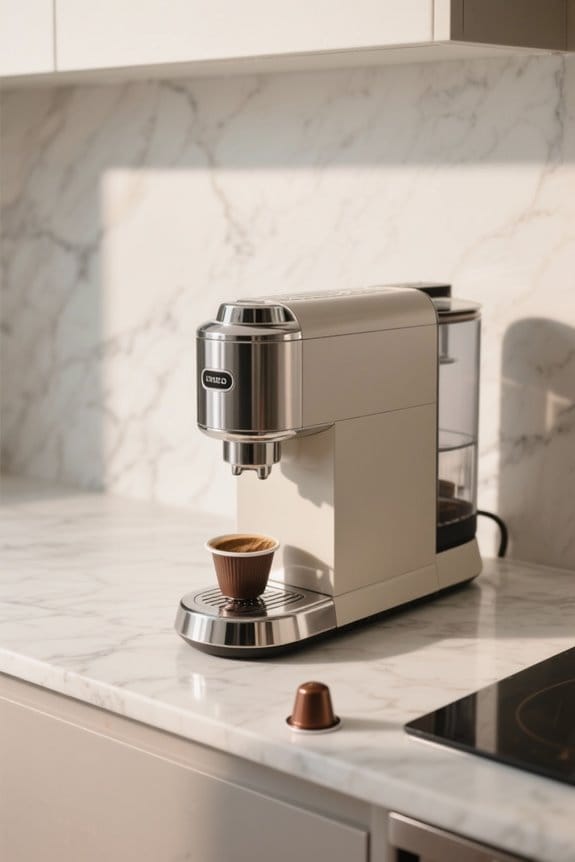
Biodegradable coffee capsules are made from materials that break down in two years, relying on microbial activity under specific conditions. In contrast, recyclable capsules, often made of polypropylene or aluminum, can be recycled indefinitely but require proper disassembly by consumers. Biodegradable pods may produce methane in landfills, while global recycling rates for coffee pods remain below 5%. Understanding these differences is essential for responsible disposal and minimizing environmental impact. Discover more about sustainable practices in the coffee industry.
Key Takeaways
- Biodegradable capsules break down through microbial activity and may require industrial composting, often not available to consumers.
- Recyclable capsules, made from materials like aluminum or polypropylene, can be recycled multiple times if properly disassembled and rinsed.
- Biodegradable options can produce methane in landfills if not disposed of correctly, contrasting with recycling which minimizes new raw material demand.
- Consumer confusion exists between biodegradable and compostable terms, affecting disposal practices and recycling effectiveness.
- Local regulations and infrastructure significantly impact the successful recycling of coffee capsules, highlighting the need for consumer education.
Understanding Biodegradable Coffee Capsules
You may be interested


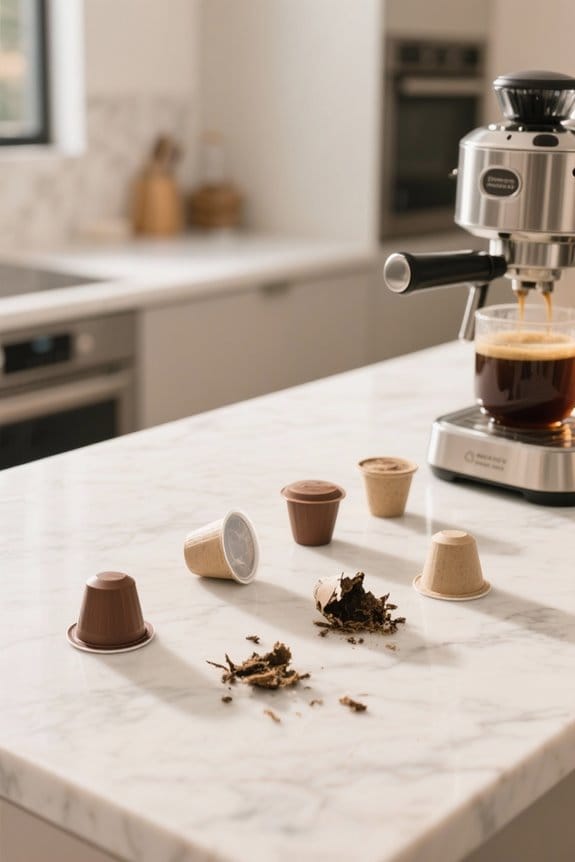
Biodegradable coffee capsules represent a vital innovation in sustainable coffee consumption. These capsules are crafted from biodegradable materials that decompose over time through microbial activity, although breakdown can take up to two years, dependent on environmental conditions. Many are made from oxo-biodegradable plastics, which require specific settings, such as heat and sunlight, to decompose efficiently. While they are designed to be compostable, proper disposal methods remain important. In standard landfills, their breakdown can be greatly hindered, complicating waste management. For best results, consumers should rinse these capsules and dispose of them in recycling containers or general waste bins. Understanding the correct disposal needs is essential for minimizing their environmental impact and maximizing their sustainability benefits. Moreover, brands often prioritize eco-friendly practices to ensure the materials used align with sustainable consumption.
Recommended Products

3.2L Electric Composter for Kitchen: This composter realizes true composting, press the Compost button once to start transforming food scraps into nutrient-rich compost that can nourish plants and gardens. This cETLus certified, compact 3.2L electric composter is your safe, space-saving solution for any kitchen, apartment or dormitories. It won't take up much space, enabling easy indoor sustainable living, reducing waste, and contributing to environmental protection.

Julius Meinl. Inspiriert Poeten seit 1862. Inspiring poets since 1862.
The Lifecycle of Recyclable Coffee Capsules

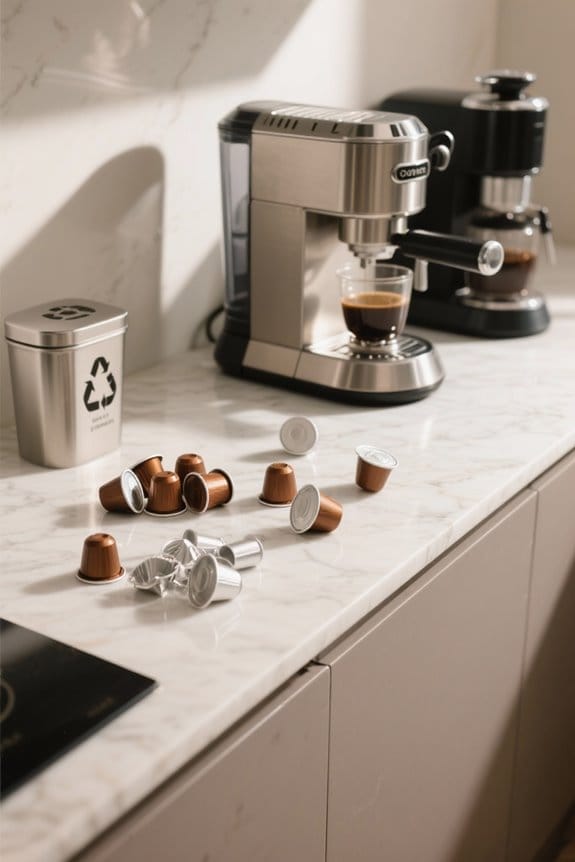
Recyclable coffee capsules play a crucial role in the effort to create a more sustainable coffee consumption cycle. Typically made from polypropylene or aluminum, these capsules can be processed multiple times, appreciably reducing their environmental footprint. However, successful recycling often requires consumers to disassemble the capsules by removing lids and rinsing out residue. Many coffee brands, such as Nespresso, offer specific collection points to facilitate this process, as standard recycling bins may not accept the small size of coffee capsules. Despite their recyclable nature, the global recycling rate for these products remains below 5%, indicating notable challenges. Aluminum coffee capsules stand out, as they can be recycled indefinitely, providing a more sustainable alternative to single-use plastics. Additionally, utilizing reusable K-Cups can further enhance sustainability by significantly reducing waste associated with single-use pods.
Environmental Impact of Biodegradable Pods
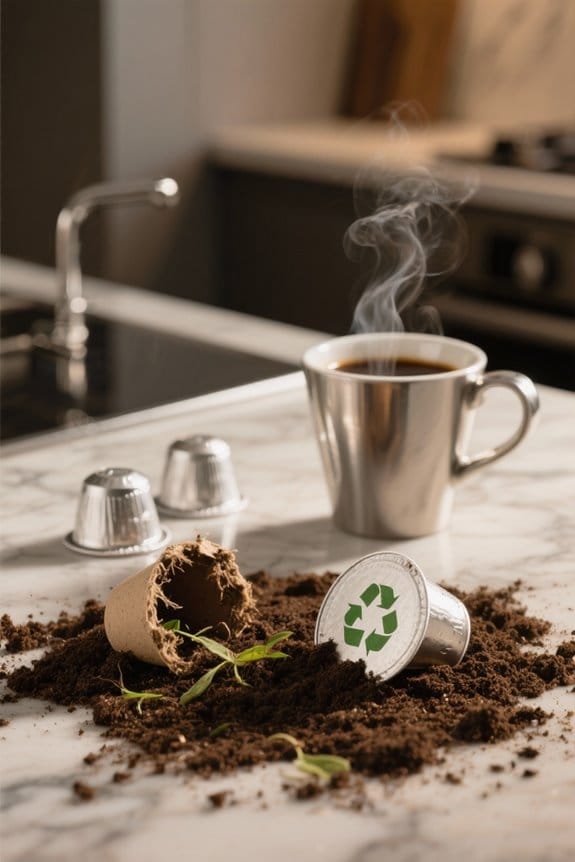
The environmental impact of coffee pods that claim to be biodegradable presents a complex challenge. While marketed as eco-friendly, these biodegradable and compostable pods can take up to two years to break down in landfills. This prolonged breakdown contributes to waste issues, especially considering their production still demands significant energy and resources. Additionally, many biodegradable pods require industrial composting facilities, which are scarce in various regions, leading to improper disposal and confusion among consumers. As they decompose, these pods can produce methane, a greenhouse gas much more potent than carbon dioxide. With a global recycling rate for coffee pods less than 5%, the environmental impact of relying on biodegradable options remains a significant concern. Furthermore, compostable K-Cups are generally designed for industrial composting facilities, which can limit their effectiveness in reducing waste for consumers without access to such resources.
Advantages of Recyclable Coffee Capsules

In today’s marketplace, many coffee enthusiasts are turning to recyclable coffee capsules as a more sustainable choice. These capsules, often made from aluminum and polypropylene, can be processed multiple times, considerably reducing the demand for new raw materials. For instance, aluminum capsules can be reused indefinitely, which lowers their environmental impact across their lifecycle. Unfortunately, the global recycling rate for coffee pods remains below 5%, underscoring the need for consumer education on recycling practices. Many brands facilitate proper recycling by requiring customers to return pods to designated collection points, preventing them from reaching landfills. By implementing effective recycling methods, the considerable energy costs associated with manufacturing, packaging, and shipping new single-use coffee products can be mitigated, promoting a more sustainable coffee culture. Additionally, the use of reusable options in coffee consumption can significantly reduce single-use waste and support eco-friendly practices.
Recommended Products

NESPRESSO PROFESSIONAL MACHINE BUNDLE: This machine bundle includes a Nespresso Zenius machine, a Quick Startup Guide and two pre-labeled Recycling Bags.

SIGNATURE COFFEES AND ESPRESSOS: The Vertuo Lattissima coffee machine brews 6 sizes, including 5, 8, 12, and 18 fl. oz coffees, as well as single and double espressos. Brew hot or over ice
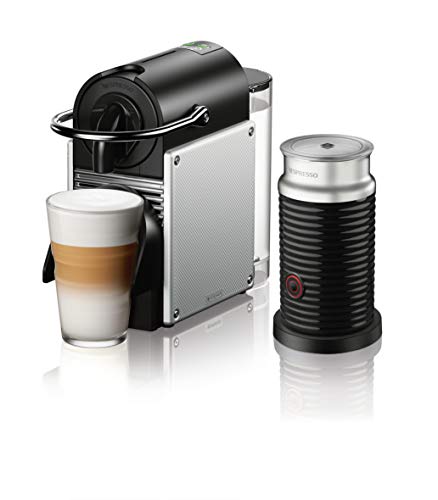
Ultra-compact design: Elegant profile perfect for urbanites with limited kitchen counter space
Disposing of Biodegradable Coffee Pods

Biodegradable coffee pods offer an appealing alternative for those seeking eco-friendly options in coffee consumption. These pods can break down into smaller parts within a period of up to two years, influenced by environmental conditions and microorganisms. However, effective disposal often necessitates sending these biodegradable coffee pods to a landfill or an industrial composting facility, as home composting is generally ineffective. It is essential to consult local waste management guidelines, as not all regions have facilities for compostable pods. Rinsing biodegradable pods and placing them in recyclable containers is recommended, but they should not be included in regular recycling bins to avoid contamination risks and size limitations. Proper disposal guarantees that these products decompose as intended, contributing positively to the environment. Additionally, many brands of biodegradable pods are committed to using sustainably sourced ingredients, which further enhances their eco-friendly profile.
Recycling Processes for Coffee Capsules
Recycling coffee capsules presents complexities that can hinder effective waste management. Many plastic coffee capsules are theoretically recyclable, yet their small size frequently excludes them from domestic recycling bins. For example, Nespresso pods require users to return them to boutiques or designated collection points, complicating the process. Additionally, some brands mandate disassembly and cleaning of their pods prior to recycling, further adding to the challenges. Despite these efforts, the global recycling rate for coffee pods remains below 5%. Significantly, while recycling polypropylene can mitigate environmental impacts and allow repurposing up to three times, aluminum capsules boast indefinite recyclability. In comparison, users of compostable coffee products may find disposal simpler and more environmentally friendly. Moreover, some models of Nespresso machines feature energy-saving automatic shut-off, which contributes to a more sustainable brewing experience.
Recommended Products
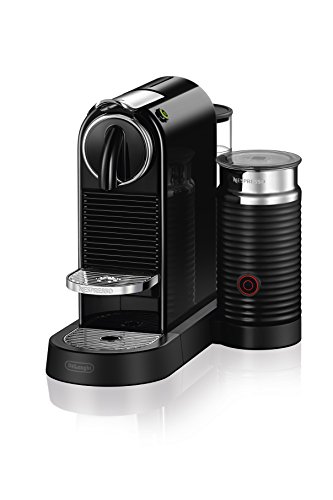
Please refer to user guide or user manual or user guide (provided below in PDF) before first use
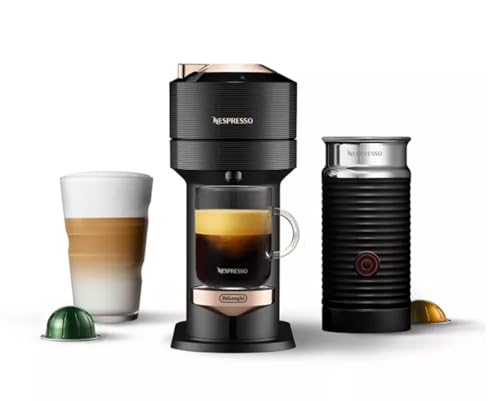
Exceptional Quality: Brews six sizes coffee (5, 8, 14 oz) and espresso (single, double). Exclusive pour-over style caraffe (18 oz) for Vertuo Next

Nespresso Capsule Recycling Container Black - Container for Used Capsules.
Comparing Decomposition Rates: Biodegradable vs. Recyclable
When evaluating the environmental impact of coffee capsules, comparing decomposition rates highlights significant differences between biodegradable and recyclable options. Biodegradable coffee pods can take up to two years to decompose in landfill conditions, while biodegradable materials, specifically compostable pods, can fully break down in about 90 days under industrial composting scenarios. This quicker process underscores the effectiveness of compostable items compared to their biodegradable counterparts. However, disposal methods for many biodegradable pods complicate their effectiveness, often leading to prolonged decomposition rates. Conversely, recyclable materials like aluminum can be recycled indefinitely. Yet, with only 5% of coffee pods currently recycled, the potential sustainability of recyclable options faces challenges in practical application, rendering decomposition rates a critical factor in overall environmental impact. Choosing brands with BPI certification ensures adherence to compostability standards, further enhancing the benefits of compostable pods.
Recommended Products

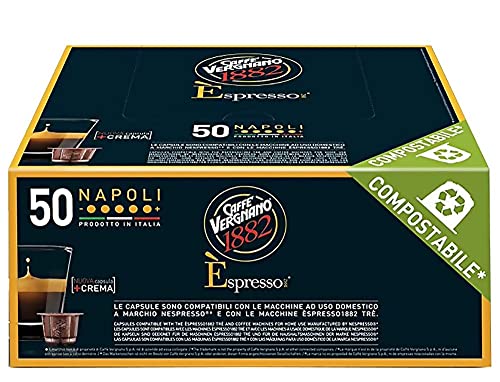
Capsules compatible with OrginalLine machines by Nespresso

Roasted with Precision: Our high-quality, bold E.S.E. coffee pods are intense and dynamic, with captivating notes of cocoa and dried fruit, finishing with a deep, full-bodied espresso experience.

Compatible with Nespresso Original Machines: Artizan Coffee organic capsules are specifically designed to work seamlessly with Nespresso Original brewers, including Delonghi C190, D290, Citiz, CitiZ & Milk, Maestria, U, Le Cube, Inissia, Lattissima Plus, Lattissima Pro, Lattissima Touch, Lattissima One, Grand Lattissima, Pixie, KitchenAid, Prodigio, Expert, Essenza Mini, Essenza Plus, Creatista Uno, Creatista Plus, and Creatista Pro
Consumer Behavior and Sustainability Choices
As consumer awareness of environmental issues grows, individuals are increasingly making sustainability choices that influence their coffee capsule preferences. Many consumers are prioritizing recyclable capsules over biodegradable options, largely due to better understanding and local recycling capabilities. With less than 5% of coffee pods currently recycled globally, it is evident that consumer behavior plays an essential role in determining the success of recycling initiatives. Additionally, the requirement to disassemble and clean pods can deter proper disposal, especially if consumers lack adequate information. Confusion between biodegradable and compostable labels further complicates this issue, often leading to improper disposal practices. Meanwhile, the appeal of reusable coffee pods is on the rise, promoting a shift towards more sustainable, waste-reducing choices. This trend aligns with the environmental impact and sustainability of reusable K-Cups, which significantly reduce single-use plastic waste.
Educational Resources on Coffee Capsule Disposal
How can consumers effectively navigate the complexities of coffee capsule disposal? Understanding the differences between biodegradable pods and recyclable coffee pods is essential. Many biodegradable pods necessitate access to industrial composting facilities, which can be limited. In addition, these pods may take up to two years to decompose in landfill conditions. On the other hand, recyclable coffee pods like Nespresso require return to designated collection points, with a global recycling rate below 5%. Moreover, some brands demand cleaning and disassembling, complicating recyclability. Consumers are encouraged to research specific disposal guidelines provided by manufacturers to minimize their environmental impact. Valuable resources, including company websites and local waste management programs, can help clarify proper disposal methods and enhance awareness around sustainable practices. Additionally, opting for reusable K-Cups can significantly reduce waste and promote more sustainable coffee consumption habits.
The Role of Local Regulations in Recycling
Local regulations play an essential role in the effectiveness of recycling programs, directly affecting how coffee capsules are handled throughout various regions. These regulations determine what materials are recyclable, influencing the availability of recycling programs. In certain areas, coffee capsules may not be accepted due to size limitations or insufficient infrastructure, greatly reducing their recycling potential. Additionally, local regulations often specify the proper separation of lids and contents from coffee pods, impacting recycling rates. Municipalities may promote specific recycling technologies, like those for aluminum or polypropylene, enhancing sustainability. Ultimately, understanding local regulations is vital for consumers, as it empowers them to dispose of coffee capsules correctly and effectively contribute to recycling efforts, ensuring resource conservation. Furthermore, using biodegradable filters can positively influence the environmental impact of coffee consumption.
Innovations in Coffee Capsule Materials
Innovations in coffee capsule materials are reshaping the industry, providing consumers with more sustainable options. One significant advancement is the creation of biocompostable plastics derived from renewable resources. These materials are engineered to break down more effectively in industrial composting facilities than traditional plastics and aluminum. Studies highlight that biocompostable plastics exhibit lower environmental impacts when properly composted. Life cycle assessments have shown that while these bioplastics excel in specific disposal methods, recycled aluminum capsules may present comparable sustainability due to their ability to be recycled indefinitely. Ongoing evaluations of bioplastics aim to ascertain their long-term viability as an alternative, continuously promoting a shift towards environmentally friendly coffee capsule options that prioritize both effective disposal and material sustainability.
Recommended Products

Classic Medium Roast - ( Packs) - Smooth & Balanced Flavor w Flavor - Enjoy a smooth, satisfying Senseo coffee with balanced aroma, rich taste, and a crema layer in every cup.

COCONUT CARAMEL CRUNCH MEDIUM ROAST - Taste the unique combination of tropical coconut and sweet caramel

Future Trends in Sustainable Coffee Practices
As the demand for sustainability in the coffee industry increases, future trends are expected to emphasize innovative practices that enhance environmental responsibility. Biocompostable materials for coffee capsules are becoming increasingly popular, driven by advanced eco-technology and consumer preferences for biodegradable options. However, these pods often require industrial composting for effective breakdown, as home composting proves insufficient. Concurrently, recycling initiatives for plastic and aluminum coffee pods are gaining traction, with manufacturers promoting designated collection points to facilitate responsible disposal. Additionally, the focus on reusability is growing, as reusable coffee pods minimize waste and energy consumption. Sustainability ratings for coffee pods are evolving, scrutinizing disposal methods and evaluating the lifecycle impacts of materials used in production, ensuring ecological integrity throughout the coffee supply chain.
Frequently Asked Questions
Is Biodegradable Better Than Recyclable?
In the garden of sustainability, biodegradable offers benefits like enhanced soil fertility, while recyclable faces substantial challenges in processing. Ultimately, the choice between them remains a complex interplay of environmental impact and practical usability.
Do Nespresso Really Recycle Their Pods?
Nespresso does recycle their pods through a designated recycling process, offering various pod disposal options. However, the effectiveness largely hinges on consumer participation, with many pods still ending up in landfills due to improper disposal.
Are Compostable Coffee Pods Healthier?
Compostable coffee pods are often regarded as healthier due to reduced harmful contaminants and potential health benefits. However, their environmental impact considerably depends on proper disposal methods, influencing composting efficacy and methane emissions.
What Are the Negatives of Biodegradable Packaging?
Like a wolf in sheep’s clothing, biodegradable packaging often masks significant environmental impacts. Slow decomposition rates create challenges in waste management, leading to increased methane emissions and undermining the intended benefits of these seemingly eco-friendly materials.