As an Amazon Associate, we earn from qualifying purchases. Some links on this site are affiliate links at no extra cost to you. Our recommendations are based on thorough research and editorial judgment.

The Most Common Coffee Origins in Capsule Blends

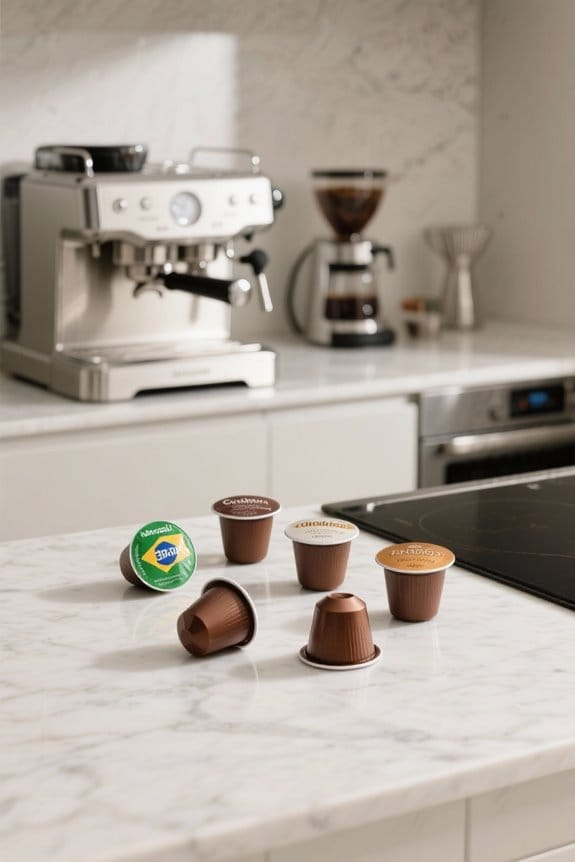
The most common coffee origins in capsule blends are Brazil, Ethiopia, and Colombia. Brazil offers low acidity and rich complexity, contributing nutty undertones. Ethiopian coffee is known for its vibrant floral notes and distinct citrusy flavors, ideal for bright, lively blends. Colombian coffee features a smooth, well-balanced profile with mild acidity and subtle sweetness. These origins create diverse flavor profiles that appeal to various preferences, showcasing the intricate qualities of each region’s beans. More about these origins follows.
Key Takeaways
- Brazil is frequently used in capsule blends for its low acidity and rich flavors, providing a solid base for various profiles.
- Ethiopian coffees are popular in capsules for their vibrant floral notes and bright acidity, adding complexity to blends.
- Colombian beans are common in capsule blends due to their smooth, well-balanced flavor and mild acidity, appealing to a wide audience.
- Many capsule blends combine beans from different origins, such as Brazil and Colombia, to achieve a harmonious and diverse flavor profile.
- Capsules often utilize high-quality Arabica beans from prized coffee regions, showcasing distinct terroir characteristics in a convenient format.
Brazil: The Heart of Coffee Blends
You may be interested



Brazil stands out as the largest coffee producer globally, supplying approximately one-third of the world’s coffee. This dominance is largely due to the variety and quality of beans from Brazil, which are known for their low acidity and rich, complex flavors. These beans often feature chocolate notes and nutty undertones, making them ideal for creating balanced coffee blends. Brazilian coffee is frequently incorporated into espresso blends, as its robust body effectively complements the brightness of more acidic beans. Regions like Minas Gerais, São Paulo, and Espírito Santo contribute unique flavor profiles, enhancing the complexity of Brazilian coffee blends. The country’s ability to deliver high-quality coffee consistently at lower production costs establishes its reputation in both specialty and commercial markets, especially in capsule formats. Furthermore, many Brazilian blends are enriched with smoothness and rich flavors, similar to the characteristics found in Kona coffee.
Ethiopia: A Floral and Citrusy Delight
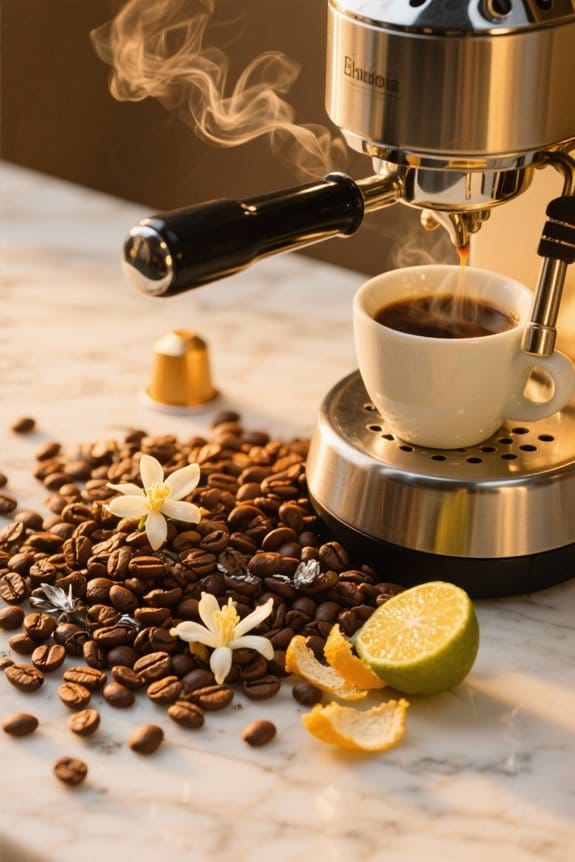
Ethiopia is often celebrated for its significant role in the coffee industry, widely regarded as the birthplace of coffee itself. Ethiopian coffee beans are cultivated at high altitudes, often exceeding 1,500 meters, which enhances their complex flavors and acidity. These beans are renowned for their vibrant floral notes and distinct citrusy flavor, often featuring hints of jasmine and bergamot. The country’s diverse microclimates allow for various coffee varieties, each showcasing unique characteristics. Traditional processing methods, such as natural and washed techniques, further highlight these intricate flavors and aromas. Ethiopian coffee is a favorite in specialty coffee blends, where its bright acidity elevates the overall complexity, making a compelling choice for coffee enthusiasts seeking unique and aromatic experiences. Additionally, many blends incorporate 100% Arabica beans, which contribute to the overall quality and flavor profile of the coffee.
Colombia: Smoothness and Mild Acidity

Colombian coffee stands out for its smooth, well-balanced flavor profile, which is characterized by mild acidity and a rich aroma. Grown primarily in Colombia, Arabica beans thrive at altitudes between 1,200 and 2,000 meters, benefiting from the country’s diverse climate. This elevation contributes to the subtle sweetness and low bitterness that define Colombian coffee. Often included in various blends, Colombian coffee enhances overall flavor, adding smoothness and brightness to each cup. In addition, a significant portion adheres to Fair Trade and organic certifications, reflecting the country’s commitment to sustainability and quality. The combination of mild acidity and the complex notes of Colombian Arabica makes it highly sought after, appealing to coffee enthusiasts worldwide. Additionally, Colombian coffee is known for its barista-quality espresso, making it a favorite among coffee aficionados.
The Importance of Coffee Blends
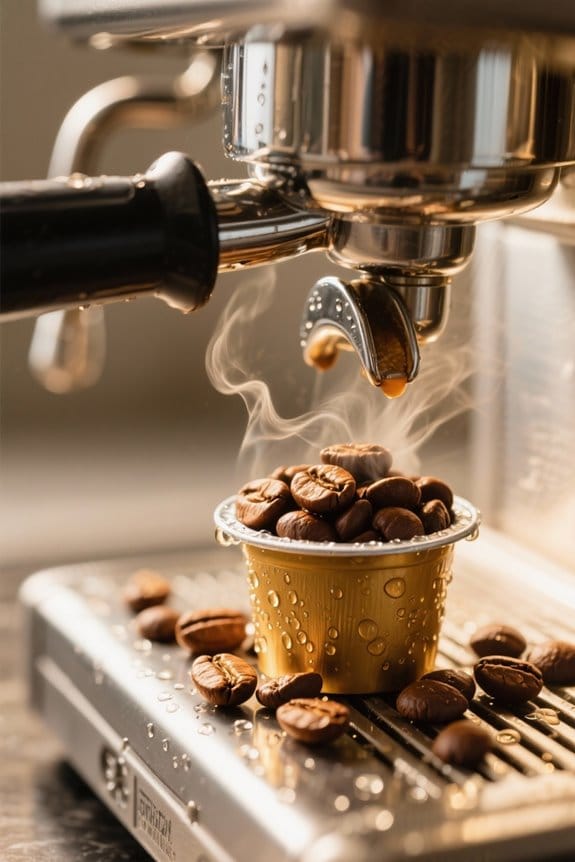
Blends hold significant value in the world of coffee, as they combine beans from multiple origins to create a cup that is both complex and balanced. Skilled roasters curate coffee blends by merging origin coffees, ensuring a consistent quality across each batch. For example, they often blend Colombian beans, known for balanced acidity, with Brazilian beans that offer nutty undertones. Popular blends typically feature a mixture of Arabica and Robusta. Arabica contributes smooth, fragrant notes, while Robusta enhances the body and crema, resulting in a well-rounded cup. This harmonization of flavor notes allows coffee enthusiasts to explore diverse profiles in one medium roast, transforming their coffee experience and deepening appreciation for the unique characteristics of different coffee-producing regions. Precise temperature control is essential for achieving the optimal extraction of flavors from these blended beans.
Recommended Products
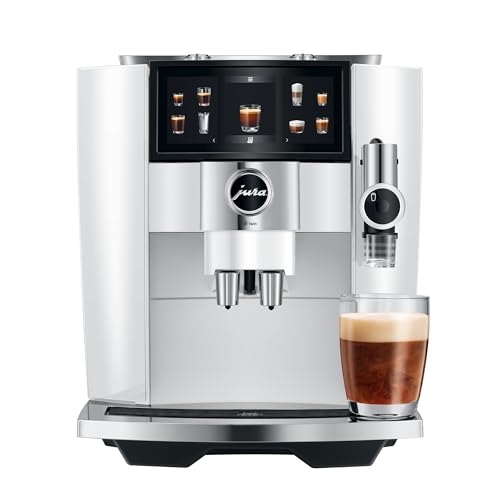
VERSATILITY: Experience a new world of indulgence with exclusive Sweet Foam function – freshly ground, not capsuled – choose from 31 options.

☕ MEDIUM ROAST – INTENSITY & BALANCE Crafted for a smooth, bold espresso experience with moderate roast intensity and rich body.

100% Pure Jamaica Blue Mountain Peaberry Coffee Beans Certified by the Jamaica Agricultural Department for a pure authentic taste.
The Role of Coffee Capsules in Flavor Diversity

The role of coffee capsules in flavor diversity has grown markedly, offering a convenient platform for coffee enthusiasts to explore a wide range of taste profiles. These capsules often feature beans from well-known regions such as East Africa, Colombia, and Brazil, each contributing distinct flavor profiles to blends. Coffee roasters utilize Single Origin Coffee to showcase specific terroir characteristics, allowing consumers to appreciate nuanced flavors. Popular blends typically include Arabica for complexity and balance with Robusta, enhancing both strength and richness. The convenience of coffee capsules encourages experimentation, enabling users to seamlessly try various blends without the commitment of traditional brewing methods, making it easier to discover personally preferred flavor combinations in just a few minutes. Additionally, these capsules are made from fully recyclable aluminum, promoting eco-friendly consumption while enjoying diverse coffee experiences.
Recommended Products

SIGNATURE COFFEES AND ESPRESSOS: 6 cup sizes, including 5, 8, 12, and 18 oz coffees, plus single and double espressos brewed

SINGLE SERVE COFFEE & ESPRESSO MACHINE: Single serve coffee or espresso at the touch of a button. Innovative programs and features such as 25 sec heat up & energy saving automatic shut off.
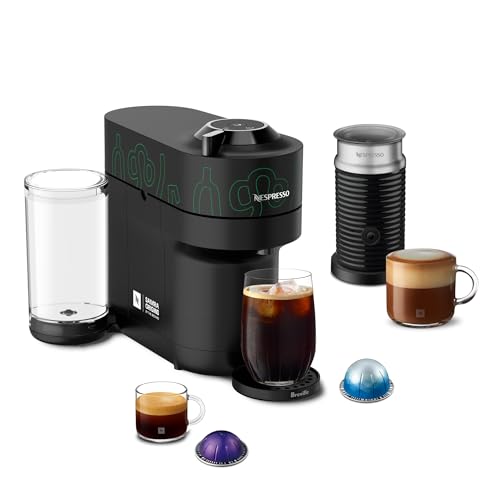
Nespresso | Samra Origins by The Weeknd is a collaboration rooted in heritage and inspired by The Weeknd's connection to his mother, Samra featuring a new vibrant color, Metad Green, inspired by Ethiopia's rich cultural heritage.
How to Choose the Right Coffee Origin for Your Taste
How might one determine the ideal coffee origin to suit individual taste preferences? Selecting high-quality coffee pods begins by evaluating the types of coffee available. For smooth options, Arabica coffee from Colombia offers balanced flavor and mild acidity, making it a preferred choice for many. Ethiopian coffee presents a complex flavor profile, featuring fruity and floral notes, ideal for adventurous drinkers. Brazilian coffee, known for its chocolatey and nutty characteristics, appeals to those who enjoy full-bodied cups. Those desiring a stronger roast may find Robusta beans from Vietnam or Indonesia suitable, boasting intense bitterness. Finally, Guatemalan coffee combines chocolatey undertones with bright acidity, providing a unique tasting experience for discerning coffee lovers. Additionally, many coffee pods, like those from Caribou Coffee, are made from high-quality Arabica beans, ensuring a rich and flavorful brew.
Recommended Products
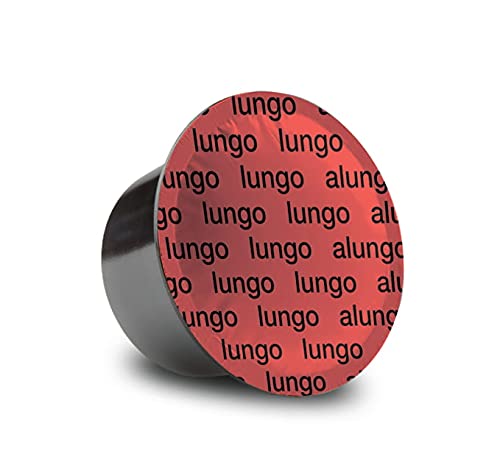

☕ MEDIUM ROAST – BALANCED TASTE PROFILE Smooth and well-rounded with refined acidity and natural sweetness—ideal for daily enjoyment.

Mixed Taster Pack with our entire selection of coffee pods. 9 different varieties. 500 coffee capsules for OriginalLine Nespresso Brewers.
Frequently Asked Questions
What Is the Most Popular Coffee Origin?
Ethiopian beans emerge as exceptionally popular, enticing aficionados with exquisite flavor. Colombian coffee charms with balance, while Brazilian blends provide body. Kenyan origins, Guatemalan flavors, Sumatran richness, and Costa Rican notes complement the compelling coffee landscape.
What Is the Most Popular Coffee Capsule?
The most popular coffee capsule combines rich flavor profiles with convenience. Market trends highlight capsule benefits, including diverse brewing methods and sustainability practices, addressing environmental impact while delivering a satisfying coffee taste to consumers worldwide.
What Is the 15-15-15 Coffee Rule?
The 15-15-15 coffee rule optimizes coffee brewing by balancing coffee-to-water ratios, water temperature, and brew time. This guarantees ideal flavor profiles and respects origin characteristics, enhancing taste testing and supporting ethical sourcing throughout various roasting methods.
Which Roots Are Used in Blending Coffee?
Coffee blending utilizes roots from diverse growing regions, enhancing coffee flavor profiles via various processing methods and roast level impact. Sustainability practices also influence caffeine content comparison, employing blending techniques to achieve desired flavor harmony.